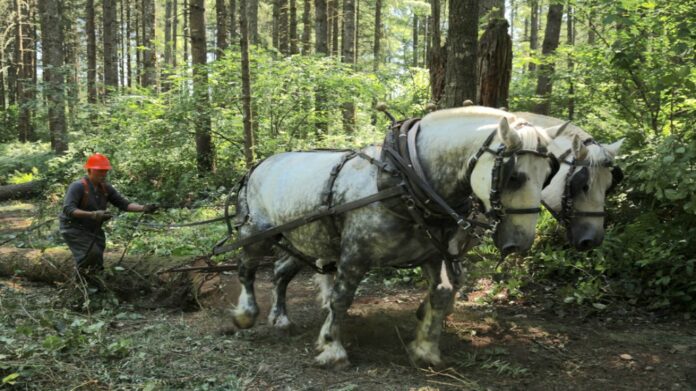

In the heart of Oregon’s forests, one man is keeping alive a time-honored tradition that few practice anymore. Roger Daugherty, believed to be Oregon’s last horse logger, is dedicated to carrying forward the forestry legacy passed down through generations of his family. As timber prices rise and sustainable practices gain traction, there’s renewed appreciation for the skill and dedication required in horse logging—a practice that deserves serious consideration for anyone interested in responsible forestry.
A Labor of Love and Tradition
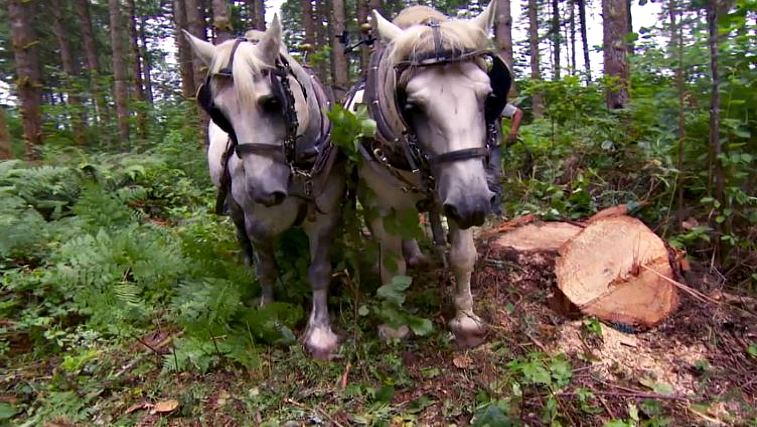
Horse logging isn’t for the faint of heart. It’s a slow, deliberate, and physically demanding method of extracting timber from the woods—but Roger wouldn’t have it any other way. Following in the footsteps of his father and grandfather, Roger has mastered a craft that requires far more than basic knowledge. Success in horse logging demands deep expertise in forestry practices, impeccable timber selection skills, and perhaps most importantly, an intuitive understanding of horses and the temperament to work effectively with these magnificent animals.
“It’s never too late to do something worthy,” Roger’s approach reminds us that some traditions are worth preserving. The combination of horsemanship, forestry knowledge, and patience creates a unique skill set that modern timber operations rarely require—but one that offers environmental and practical advantages that shouldn’t be overlooked.
45 Years of Expertise in One Forest
Roger has recently been called back to a family forest with deep roots in Oregon’s logging history. Over nearly 45 years, he’s developed an intimate knowledge of this land, and his work there represents continuity with the past while supporting his family’s future.
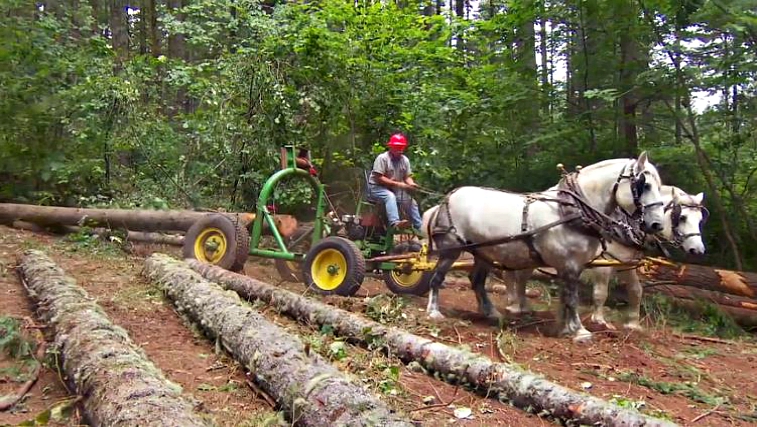
The process itself showcases the precision required in horse logging. Roger hikes through the forest to carefully select which trees to cut. Once felled, the logs are skillfully loaded and secured to carriages that the horses pull—a rhythmic, methodical process that has remained largely unchanged for generations. Each step demands attention to detail and respect for both the forest and the animals doing the work.
Sustainable Forestry Meets Tradition
In an era increasingly focused on sustainable practices, horse logging offers significant advantages. The selective harvesting method, lighter ground impact, and reduced fuel consumption compared to heavy machinery make this approach increasingly relevant. Roger’s dedication to his craft demonstrates that old methods often align beautifully with modern environmental values.
For a deeper look into Roger’s world and the art of horse logging in Oregon, watch the full documentary video below and discover how this remarkable logger keeps a vanishing tradition alive.
Roger Daugherty’s story is a powerful reminder that some traditions deserve to endure—and that preserving the skills and knowledge of Oregon’s forestry heritage benefits us all.