
The Unsung Heroes: Why Mules Deserve Our Respect
When we honor our nation’s veterans, we celebrate the incredible courage and sacrifice of our military personnel. But there’s another group of heroes whose contributions often go unrecognized—the loyal animals who stood beside our soldiers through every battle and challenge. Today, we’re shining a spotlight on one remarkable creature: the American mule. While horses may steal the spotlight in equestrian history, mules have earned their place as true patriots of American progress, deserving equal recognition for their extraordinary service and unwavering spirit.
How America’s Love Affair with Mules Began
The story of American mules starts with visionary leadership in the late 18th century. President George Washington, understanding the immense potential these animals possessed for agriculture and transportation, made a strategic decision that would shape the nation’s future. He imported a Spanish jack (male donkey) from the King of Spain with one clear goal: to breed superior mules for the demanding American landscape.
Washington’s insight proved brilliant. Mules—the offspring of a male donkey and female horse—possessed characteristics that were perfectly suited to the rugged terrain and intensive labor of a young nation. With their legendary strength, remarkable resilience, and impressive intelligence, mules quickly became the preferred animal for countless tasks. They embodied the grit, determination, and hardworking spirit that would come to define American identity itself.
Silent Soldiers: Mules in American Warfare
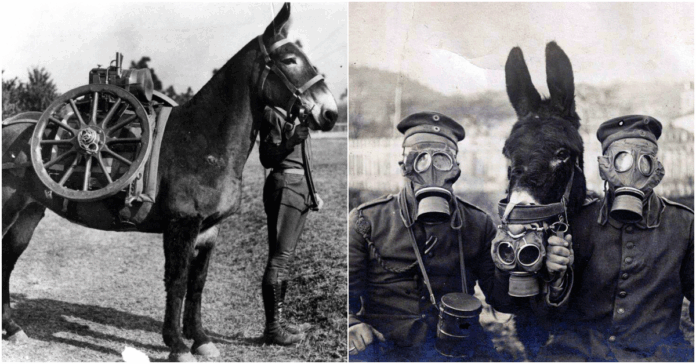
From the Civil War through modern conflicts, mules have served as indispensable warriors on the battlefield. Their exceptional endurance, calm temperament under pressure, and ability to carry heavy loads across challenging terrain made them absolutely invaluable—especially in mountainous regions and other inaccessible areas where horses and vehicles couldn’t venture.
The Civil War Years: Both Union and Confederate armies depended heavily on mule-drawn wagons to transport critical supplies, food rations, and ammunition to the front lines. While bullets flew and cannons roared, these steadfast animals calmly continued their work, moving supplies that kept armies fed, armed, and ready for battle. They were true silent soldiers, risking their lives without hesitation.
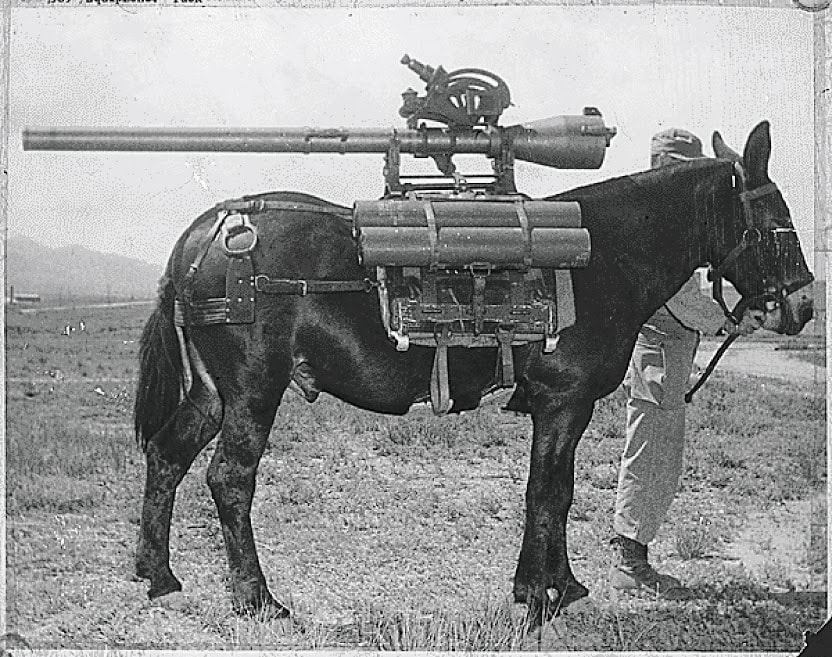
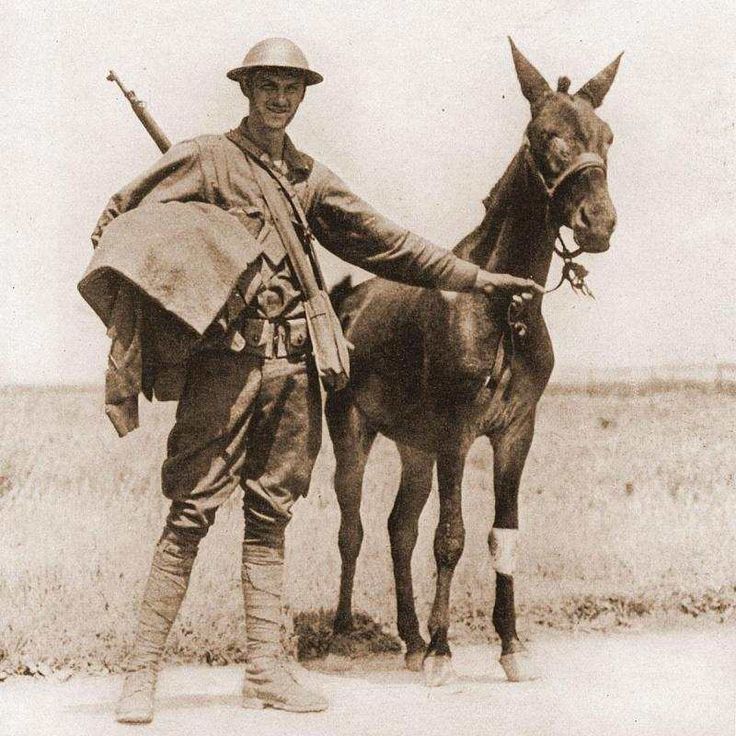
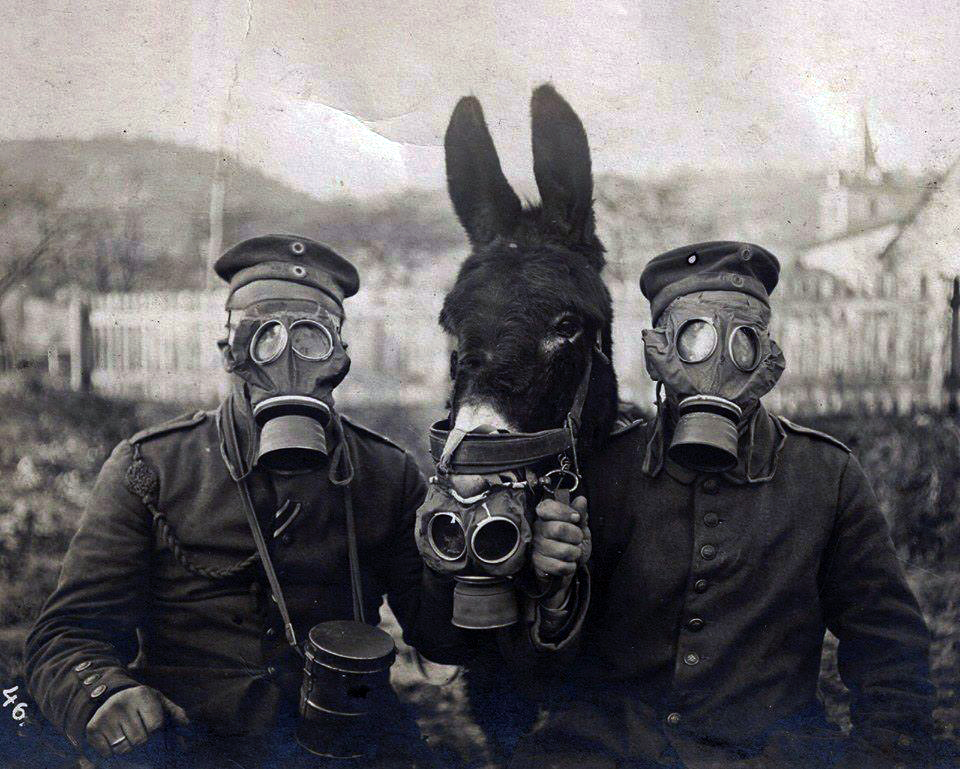
World War I & Beyond: When American forces shipped out to Europe, mules went with them. They navigated the muddy, treacherous trenches, carrying supplies and transporting wounded soldiers to safety. By World War II, mules remained essential assets, particularly in the mountainous theaters of Italy and Burma—regions where motorized vehicles simply couldn’t operate. Their legendary sure-footed nature allowed them to navigate dangerous mountain passes and deliver critical supplies when no other animal could.
Building a Nation: Mules in American Industry
Mules weren’t just military heroes—they were the backbone of American industrial expansion. As the nation pushed westward, mules cleared forests, helped construct railroads, and worked in dangerous mining operations. In agriculture, farmers often preferred mules to horses for plowing fields and hauling goods, thanks to their exceptional hardiness and ability to work long, grueling hours in intense heat and rugged conditions.
During the Gold Rush, brave miners relied on mules to carry them and their equipment through treacherous mountain trails in search of fortune. These animals navigated rocky passes, river crossings, and weather extremes that would have defeated lesser creatures. Without mules, the westward expansion that defined America’s growth simply wouldn’t have been possible.
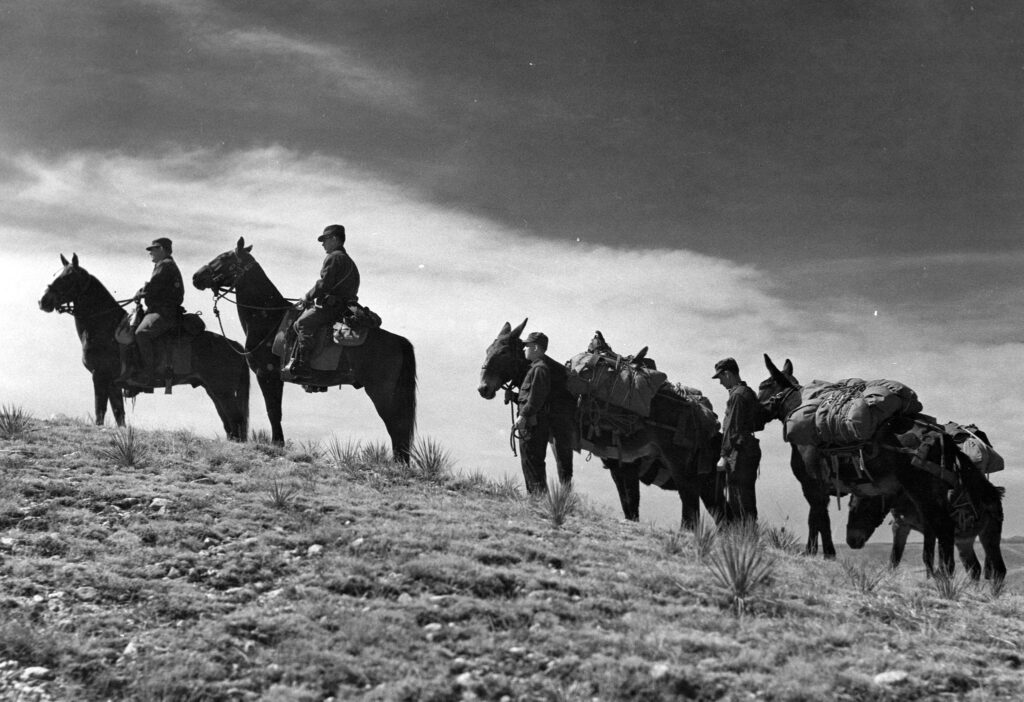
Intelligence, Strength, and Unwavering Loyalty
What truly sets mules apart is their remarkable combination of qualities. These animals possess an intelligence that’s almost uncanny—they learn quickly, make sound decisions independently, and have an incredible memory for terrain and routes. Combined with their legendary strength and stubborn determination to see their work through, mules became irreplaceable partners to American soldiers and settlers alike.
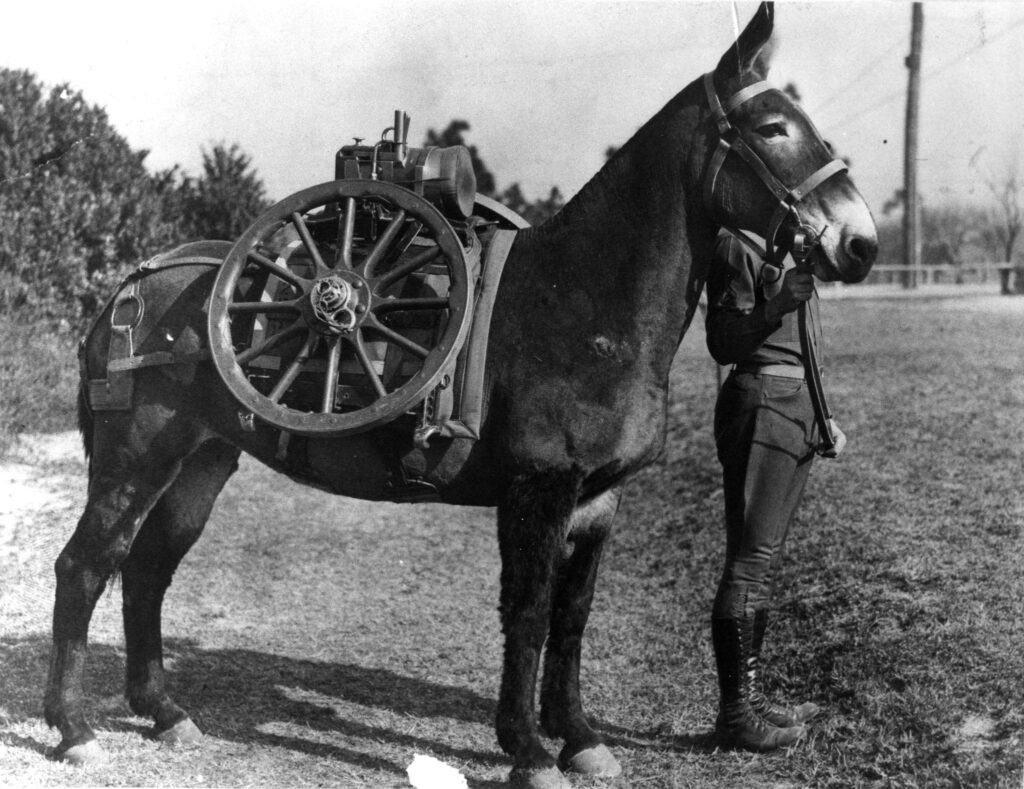
Their calm disposition meant they remained focused even in chaotic battlefield conditions. They didn’t spook easily like horses sometimes did. They simply kept working, kept moving, and kept supporting their human companions through impossible circumstances.
Honoring the Silent Heroes
As horse enthusiasts and Americans, we have a responsibility to remember and honor the contributions of these extraordinary animals. Mules represent loyalty, work ethic, perseverance, and quiet courage—values that are central to American heritage. They worked without complaint, asked for nothing but basic care, and gave everything to support the people and causes they served.
This Veterans Day and every day, let’s extend our gratitude beyond our human heroes to include the remarkable animals who served alongside them. The American mule’s legacy is etched into our history, from battlefields to boomtowns, from mountain passes to farmlands across the nation. They deserve to be remembered not as footnotes in history, but as the silent heroes they truly were.