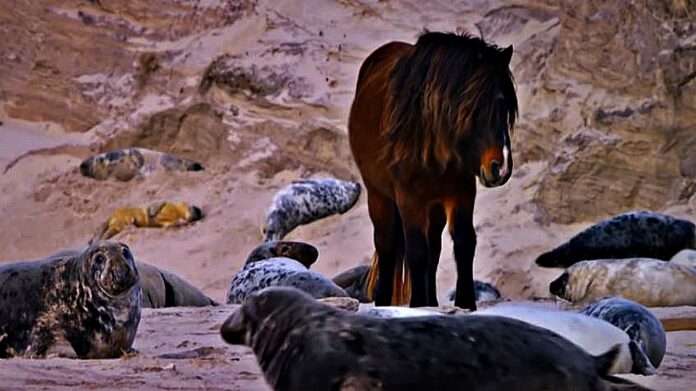

When we think about wild horses, we typically imagine them roaming freely without human intervention. But there’s a remarkable story unfolding in nature that challenges our assumptions about equine companionship—one involving an entirely unexpected neighbor: seals.
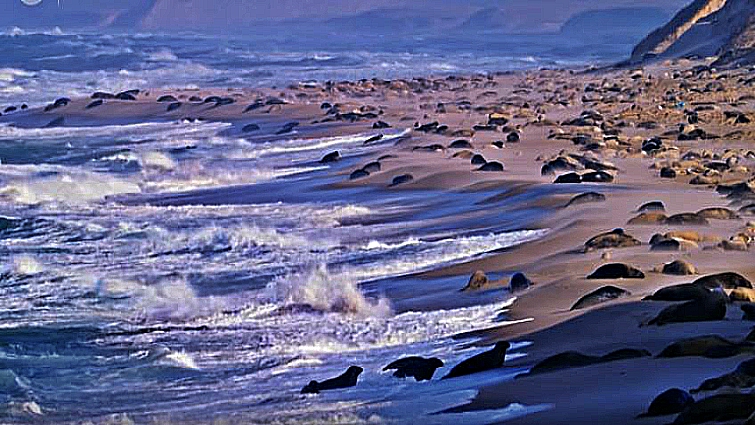
In a stunning display of interspecies cohabitation, wild horses have found an unlikely companion in massive seal colonies. These magnificent marine mammals gather in enormous numbers—up to half a million strong—during winter breeding season, creating one of nature’s most fascinating and beneficial relationships.
Nature’s Nutrient Cycle: How Seals Nourish Horse Populations
Here’s where the story gets truly interesting. While seals congregate on coastal sands for their annual breeding cycle, they’re simultaneously providing an invaluable service to the wild horses sharing their habitat. As these marine mammals populate the area, they fertilize the surrounding grasslands through natural nutrient cycling.
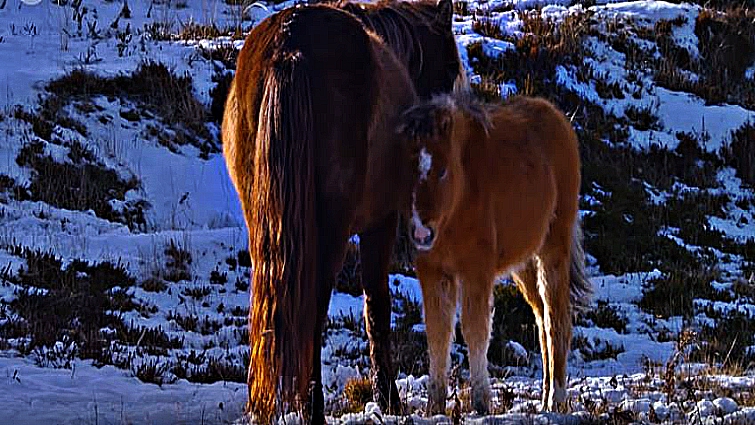
The impact is dramatic. The influx of natural nutrients accelerates grass growth exponentially, transforming the landscape into a lush, abundant grazing ground. For wild horses, this seasonal bounty means an almost endless supply of high-quality forage—far more than they could typically find in the surrounding terrain. It’s a win-win scenario that has evolved over countless generations.
An Unexpected Alliance in the Wild
Most people would never imagine two such different species—powerful land mammals and ocean-dwelling pinnipeds—could coexist so harmoniously. Yet here they are, sharing space and resources in perfect ecological balance. The horses benefit immensely from the seal colony’s presence, enjoying robust nutrition that supports healthy growth and development.
Freedom vs. Human Care: What’s Best for Wild Horses?
While wild horses in human care certainly receive proper nutrition, veterinary attention, and consistent care, they often lack one crucial element: true freedom. These wild horses living alongside seals experience something that captive horses rarely do—complete autonomy in a thriving natural ecosystem.
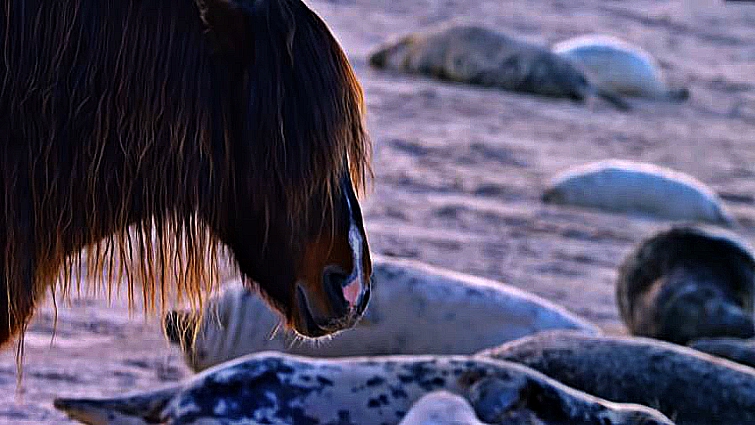
The question becomes thought-provoking: Is it better for wild horses to maintain their current lifestyle, living freely and sustainably alongside seals with plentiful natural resources? Or would domestication and human care ultimately serve them better?
This remarkable partnership demonstrates nature’s incredible complexity and reminds us that the healthiest horse populations sometimes thrive far from human hands. The seal colonies aren’t just breeding grounds—they’re ecological anchors that support thriving wild horse populations.
What do you think? Should these wild horses continue their independent lifestyle alongside their seal neighbors, or would human adoption be beneficial? Share your thoughts in the comments below!