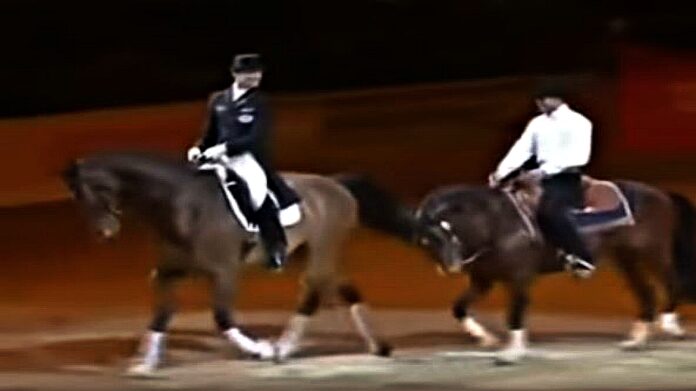

When it comes to horse sports, dressage and western riding often get lumped together—but these two disciplines are distinctly different in execution, philosophy, and style. While both require dedicated training, partnership, and precision from horse and rider, understanding what sets them apart will deepen your appreciation for each.
More Similar Than You Might Think
At their core, dressage and western disciplines share fundamental goals. Both seek to develop a harmonious partnership between horse and rider through structured, focused training. Each discipline emphasizes balance, carriage, and cadence—those elements that transform a good ride into a beautiful one.
You’ll also notice practical similarities: competition arenas are typically the same sizes (either 20×40 or 20×60 meters), and scoring uses the familiar 1-10 scale with standardized definitions. So if the basics are similar, what really makes these disciplines worlds apart?
The Gear Makes a Difference
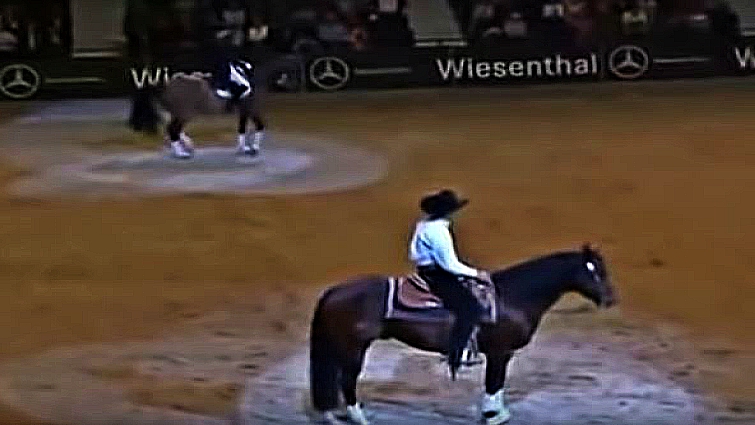
The most obvious distinction? The saddle. The western saddle is substantial—larger and heavier than its English counterpart—designed to distribute the rider’s weight across a wider area of the horse’s back. This design proved invaluable for ranch work and long days in the saddle. The dressage saddle, by contrast, is smaller and lighter, allowing the rider to maintain closer contact with the horse’s back for more refined communication.
How the Aids Differ
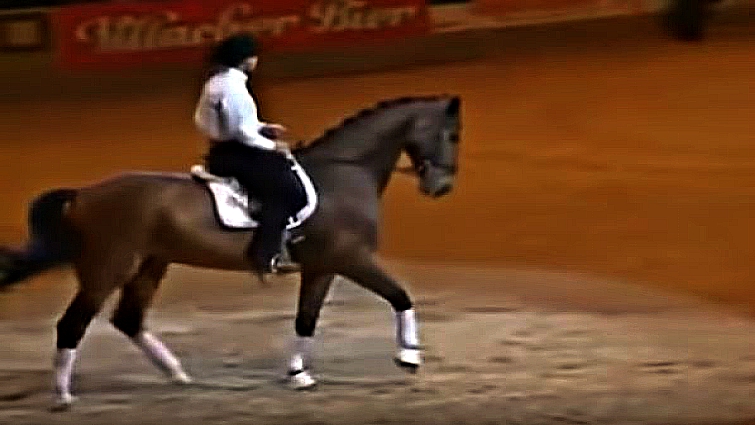
Here’s where the real magic happens—in how riders communicate with their horses. In dressage, the rider maintains direct rein contact, using the reins as a primary aid alongside seat and leg cues. This creates an ongoing dialogue between hand and horse’s mouth, allowing for precise control and expression.
Western riding takes a different approach. Most western horses are trained to work on loose or minimal rein contact, responding primarily to weight shifts, seat pressure, and neck-reining. This refined communication requires the horse to be supremely responsive to subtle signals—a true test of training and partnership.
Hand Position Tells the Story
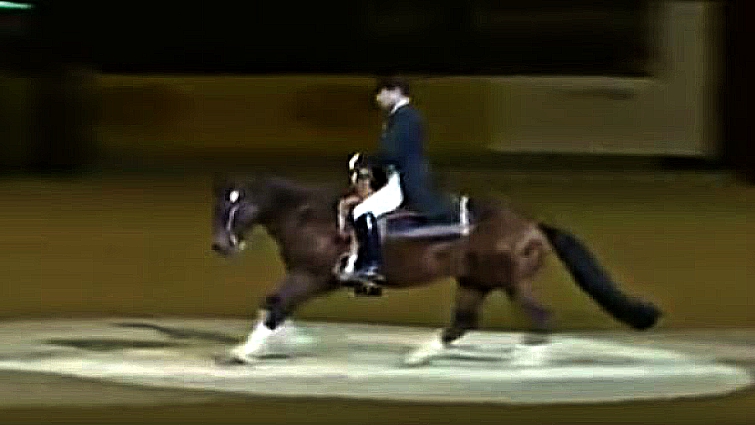
Notice the hands, and you’ll immediately spot the difference. Dressage riders hold one rein in each hand, maintaining independent control and contact. Western riders traditionally hold both reins in one hand, leaving the other hand to rest naturally at their side or on their thigh. This classic western style is both practical and elegant.
See Both in Action
Ready to witness both disciplines in real time? Check out this incredible video comparing dressage and western riding side by side:
Which Discipline Speaks to You?
Whether you’re drawn to the precision and elegance of dressage or the relaxed partnership of western riding, both disciplines offer rich traditions and meaningful challenges. The beauty is that understanding these differences helps you appreciate the dedication, skill, and heart that riders and horses bring to each.
Have you experienced both? Share your thoughts in the comments below—we’d love to hear which discipline captures your heart!