

One of the most common questions we hear from horse enthusiasts is: “Am I too heavy to ride a horse?” It’s a legitimate concern, and we’re here to break down the science, the myths, and the facts behind horse weight capacity.
The 10% Rule vs. The 20% Rule: What’s the Real Standard?
You’ve probably heard that horses can only carry 10% of their body weight. According to this guideline, over 80% of people couldn’t ride horses at all! Fortunately, this isn’t the whole story.
The more widely accepted standard comes from The US Cavalry Manual of Horse Management (1941), which recommends that a horse should not carry more than 20% of its own body weight. This includes both rider and equipment. Interestingly, cavalry soldiers routinely exceeded this limit, carrying approximately 114 kg while maintaining successful long-distance operations.
What Does Modern Research Tell Us?
It’s not just military history backing up the 20% standard. Researchers at Duchy College in Cornwall, England conducted comprehensive studies on horse welfare by monitoring 50 riders performing 45-minute workouts. Their findings? They independently confirmed the 20% weight capacity recommendation as safe and sustainable for equine health.

This research gives us confidence that the 20% rule is based on solid evidence, not just tradition.
Breaking Down the Numbers: What Does 20% Mean for You?
Let’s do the math together. The average adult horse weighs between 400-550 kg. Using the 20% guideline:
- A 400 kg horse can safely carry up to 80 kg (176 lbs)
- A 500 kg horse can safely carry up to 100 kg (220 lbs)
- A 550 kg horse can safely carry up to 110 kg (242 lbs)
This means most adults can find an appropriately-sized horse for their weight. The key is finding the right match!

Finding Your Perfect Mount: The 5:1 Horse-to-Human Ratio
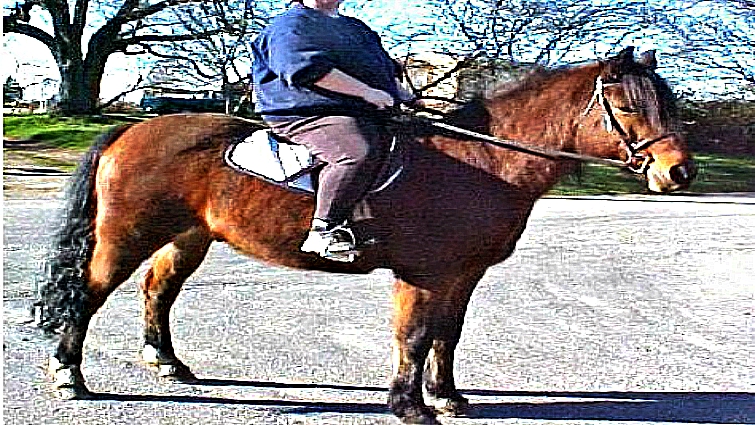
Here’s a practical takeaway: aim for a horse that weighs roughly five times your body weight. This 5:1 ratio aligns beautifully with the 20% weight capacity rule.
If you’re currently shopping for your first horse or planning to purchase, this guideline is essential. Rather than forcing yourself into a horse that’s undersized for your weight, seek out a horse breed and individual animal that matches your body weight. Larger breeds like Warmbloods, Quarter Horses, and Draft crosses are excellent options for heavier riders.

The Bottom Line: It’s About the Right Match
The good news? You almost certainly aren’t too heavy to ride a horse—you just need to find the right horse for your weight. The 20% rule and the 5:1 ratio give us reliable guidelines to ensure both your safety and your horse’s wellbeing.
Remember, a well-matched partnership between horse and rider creates the best riding experience for both. So don’t get discouraged if your current horse isn’t the right fit. There’s a perfect equine partner out there for you!
What’s your experience with the weight capacity guidelines? Do you follow the 5:1 ratio when selecting your horses? Share your thoughts in the comments below!