
The Silent Threat: Why Equine Obesity Demands Immediate Action
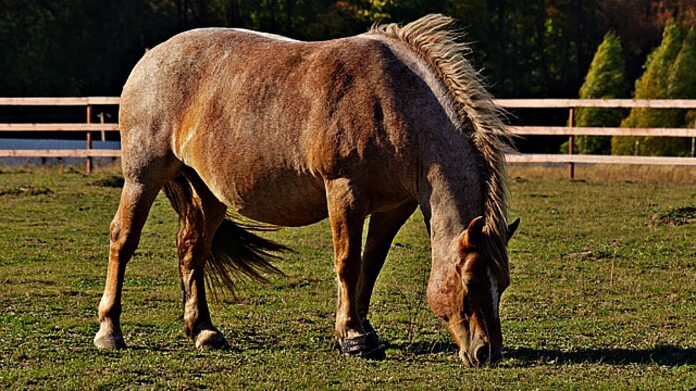
Horse owners across the UK are being urged to take decisive action against equine obesity—a crisis that veterinary experts now consider the most pressing health threat facing horses and ponies today. The stakes couldn’t be higher: unchecked weight gain can lead to serious, even fatal consequences.
Laminitis: The Most Serious Consequence
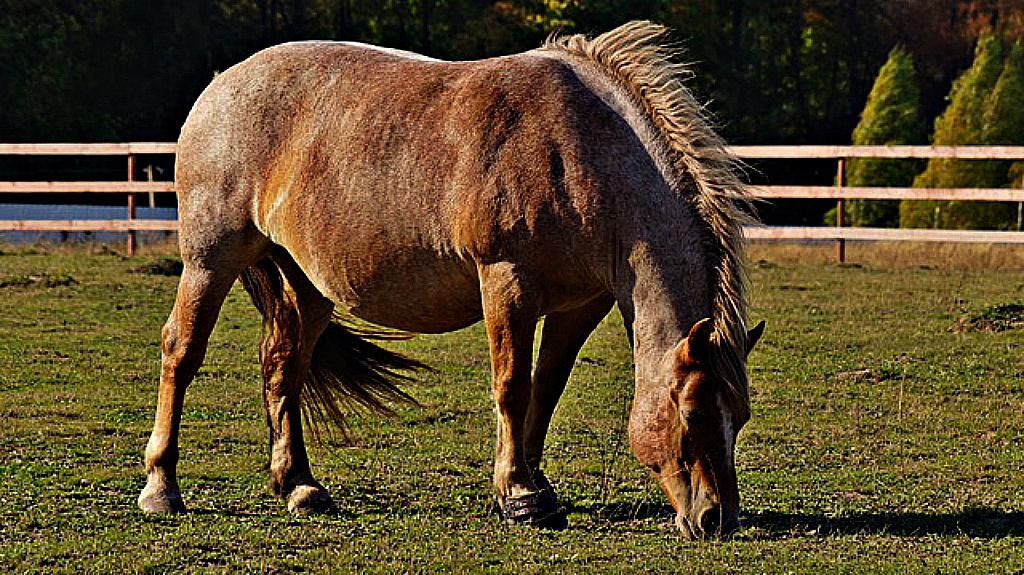
David Rendle, a renowned specialist in internal medicine at Rainbow Equine Hospital in Yorkshire and member of the British Equine Veterinary Association’s medicines, ethics, and welfare committees, pulls no punches: laminitis is the gravest outcome of obesity in equines. While native-type ponies are genetically predisposed to weight gain and laminitis, Rendle warns that horses of all breeds and types can develop this devastating condition.
“More horses and ponies are getting laminitis because they’re fat,” Rendle explains bluntly. While Cushing’s disease (PPID) often gets blamed for laminitis development, the reality is far simpler and more preventable.
The Perception Problem: Why Owners Miss the Warning Signs
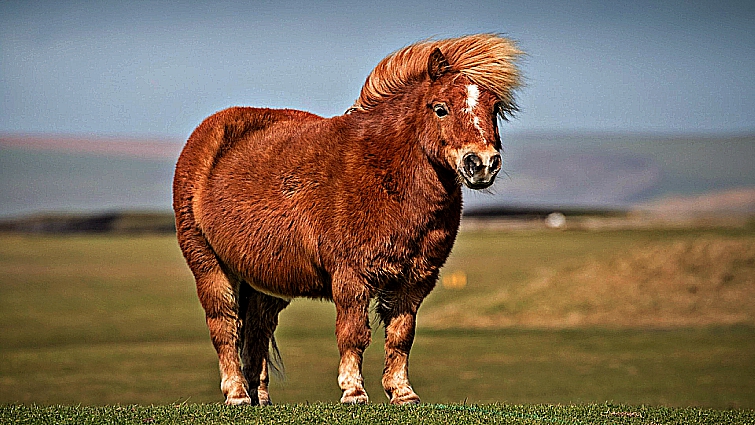
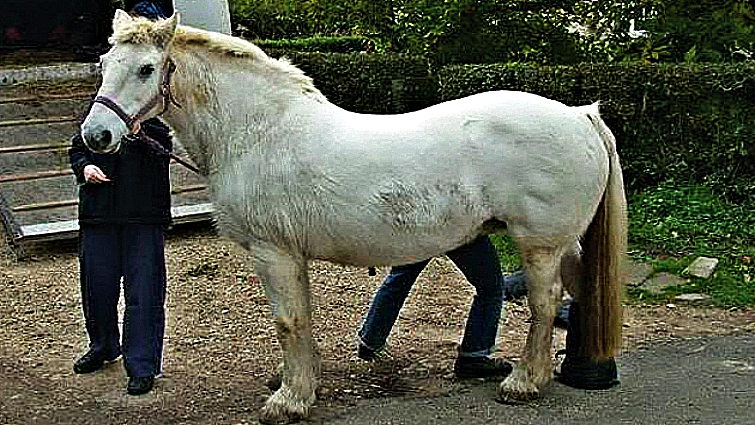
One of the most frustrating aspects of the obesity epidemic is that many owners simply don’t recognize it in their own horses. Weight gain happens gradually, almost imperceptibly, until suddenly you’re looking at a genuinely obese animal—yet it’s become so normalized that owners believe their overweight horses are actually at an ideal condition.
“Unfortunately people often don’t notice the obesity,” Rendle observes. “People are now so used to seeing horses that carry large amounts of fat that overweight is seen as normal.”
This skewed perception of body condition score means many owners genuinely believe their horses should be heavier than is healthy. It’s a dangerous misconception that puts countless equines at risk.
Management Over Medication: The Real Solution
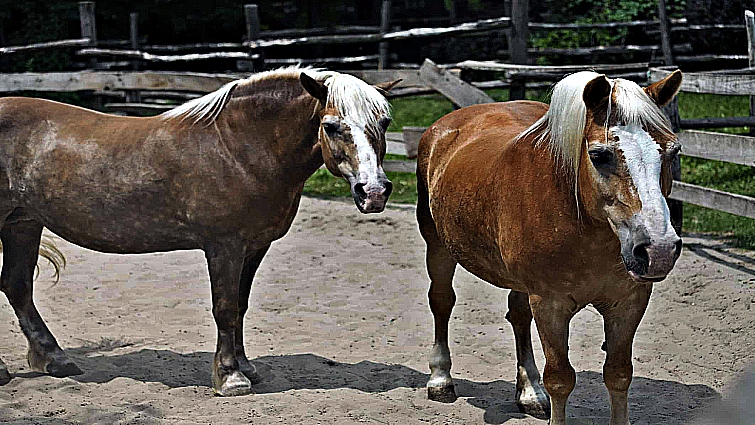
Here’s the hard truth: while medications exist for PPID and equine metabolic syndrome, they’re not a substitute for proper management. “It is easier to treat with a medication,” Rendle notes, “whether for PPID or equine metabolic syndrome than to implement management change, but without the latter, management of laminitis is often unsuccessful and bouts of laminitis recur.”
The takeaway? Most cases of laminitis are entirely preventable with correct management. This means diet control, appropriate exercise, and honest assessment of your horse’s actual body condition—not what you think it should look like.
Beyond Laminitis: Other Serious Health Consequences
While laminitis is the most critical concern, obesity in horses creates a cascade of other health problems:
- Equine Metabolic Syndrome (EMS): A serious condition affecting insulin sensitivity and overall metabolic health
- Orthopedic Issues: Extra weight puts tremendous strain on joints, bones, and soft tissues, increasing injury risk and arthritis development
- Behavioral Problems: Overweight horses often exhibit undesirable behaviors linked to discomfort and reduced fitness
- Poor Performance: Excess weight directly impacts athletic ability, endurance, and competitive potential
Take Action Now: What You Can Do
If you suspect your horse may be overweight, don’t wait. Start by honestly assessing your horse’s body condition using a standardized scoring system. Work with your veterinarian to develop a nutrition and exercise plan tailored to your horse’s needs. Remember: gradual, sustainable weight loss is far safer than crash dieting, and it’s achievable through smart management.
Your horse’s life may depend on the choices you make today. The time to act is now.