

Twiggy’s Journey: When Rescue Isn’t Simple
Twiggy’s story is one that challenges our assumptions about horse rescue and welfare. This racehorse found herself on a path toward the slaughterhouse, only to be rescued by her owner who provides an honest—and often uncomfortable—perspective on what happened and why.
The Road to Recovery
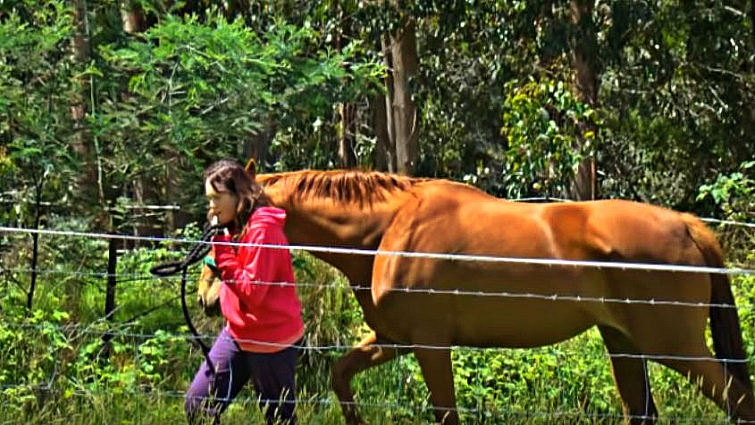
When Twiggy came into her owner’s care, the rehabilitation process began immediately. The owner implemented a careful feeding regimen, gradually increasing grain and grass intake alongside herbal treatments and massage therapy. This methodical approach was essential for a horse that had deteriorated significantly during her previous ownership.
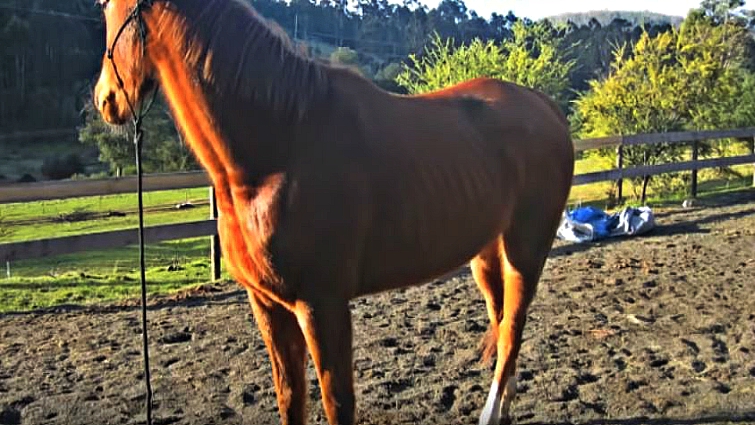
“Her previous owners simply didn’t have the knowledge to maintain her properly,” the rescuer explains. “She went from excellent condition to dangerously thin and unhealthy. Rehabilitating her through winter—the hardest time of year to restore a horse’s health—was an enormous challenge, especially with her existing pelvis issues.”

The Honest Conversation About Horse Rescue
What makes Twiggy’s story unique is the owner’s candid reflection on the realities of equine rescue and welfare. She acknowledges the limitations of her facilities and training approach, noting that her makeshift round yard wasn’t ideal for the discipline she was attempting.
Perhaps more importantly, she addresses the difficult ethics of horse rescue in modern times. “Not all rescues are positive outcomes,” she states plainly. “And not every horse should necessarily be rescued.”
The Cost of Care: A Real Problem
One of the most pressing issues the owner raises is the financial reality of long-term equine care. In Australia—and many parts of the world—finding homes for horses with no ridden work potential and significant health needs is nearly impossible. An infirm horse requiring ongoing treatment, quality feed, and veterinary care can cost thousands of dollars annually.
“I asked everyone I knew and trusted,” the owner explains. “No one could take on an infirm horse that would require thousands in lifetime care costs. It’s simply unrealistic to expect someone to shoulder that burden.”
Why Some Make the Hardest Choice
The owner’s perspective challenges the notion that all rescues should be kept alive indefinitely, regardless of quality of life. She draws a crucial distinction: while she fundamentally believes all animals deserve life and care, the reality is that horses without “use” to humans often languish in neglected paddocks, slowly starving without help.
“I would much rather Twiggy had a quick, humane death than waste away suffering in a forgotten paddock,” she says. “That’s not cynicism—that’s something I’ve witnessed too many times.”
A Commitment That Continues
The owner has already committed her resources to her 23-year-old retired Standardbred, ensuring his grass, hay, and quality care for the remainder of his life. Adding a third horse—especially one requiring extensive medical and rehabilitative care—simply wasn’t feasible within her lease agreement or financial capacity.
What We Can Learn From Twiggy
Twiggy’s story isn’t comfortable, but it’s necessary. It reminds us that equine rescue is complex, that good intentions don’t always guarantee good outcomes, and that the most ethical choice isn’t always the one that keeps a horse alive at any cost.
Those with the resources and expertise to rescue and care for older, infirm horses deserve recognition and applause. But so do those who make the heartbreaking decision to end suffering when realistic alternatives don’t exist. Both choices require love for horses—just expressed differently.
What’s your perspective on equine rescue and welfare decisions? Share your thoughts in the comments below. And if you’re involved in horse rescue, we’d love to hear your experiences navigating these challenging situations.