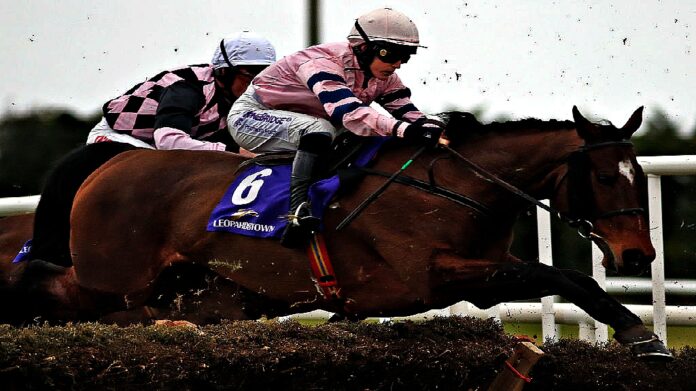

Here’s something that might surprise you: the horses ridden by female jump jockeys are significantly better bets than punters realize. Despite women making up a smaller percentage of the racing field, they’re delivering wins at rates that should have savvy bettors paying serious attention.

The Data Doesn’t Lie
Vanessa Cashmore, a Ph.D. student at the University of Liverpool, conducted a groundbreaking analysis of 1.6 million rides spanning 18 years. What she discovered is eye-opening: a horse ridden by a female jockey at 9/1 odds has the same probability of winning as one ridden by a male jockey at 8/1. That’s real, quantifiable value sitting right there in the betting markets.
The disparity becomes even more striking when you look at major racing events. At the 2019 Cheltenham Festival—one of jump racing’s most prestigious showcases—female riders claimed 14.3% of the wins despite having access to only 9.2% of available rides. That’s a performance-to-opportunity ratio that any business executive would envy.

The Perception Problem
So what’s going on? Cashmore’s research points to a clear culprit: bias in public perception. “This analysis seems to suggest there is a significant difference between the material performance of female jump jockeys and the public perception of their capability,” she explains. “The betting public consistently underestimate these jockeys.”
It’s a classic case of what we might call the “prejudice premium”—the betting market failing to properly price in the true capabilities of talented female riders. Whether it stems from outdated stereotypes about women in equestrian sports or simply a lack of familiarity, the result is the same: opportunity for those willing to look beyond conventional wisdom.

Finding Real Value in Jump Racing
For punters serious about finding value in jump racing, Cashmore’s research is a game-changer. “This could be an indicator of negative public opinion about the ability of female riders but also ensures there is value to be found in backing horses ridden by female jockeys in jump races,” she notes.
In other words, the market is literally giving you better odds on horses that statistically perform better. That’s the definition of a solid bet. Whether it’s a bumper at an afternoon fixture or a feature race at a major festival, these female jockeys are proving themselves over and over again—they’re just not getting the respect (or the betting odds) they deserve.

A Step Toward Change
Perhaps most importantly, Cashmore believes this research can drive real change in attitudes toward female jockeys. “I hope this research can move us another step closer to altering attitudes towards female jockeys and more importantly, driving behavioral change,” she says.
The jump racing community has made tremendous strides in recent years in becoming more inclusive and recognizing female talent. But as long as biased betting odds persist, it’s clear there’s still work to be done. The good news? Every time a punter backs a female jockey and sees that bet come in, it’s a small victory for progress—and a nice return on their investment.
If you’re looking to improve your racing results, the data is clear: don’t sleep on the women riders. They’re proving they belong among the sport’s elite, and the odds say you should be backing them.