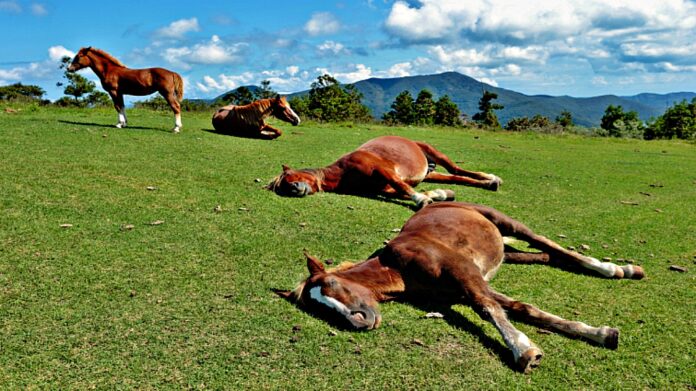

Have you ever wondered why your horse seems to be constantly dozing throughout the day? Or how they manage to sleep while standing in the barn? The sleeping habits of horses are absolutely fascinating—and quite different from our own. Let’s dive into seven surprising facts about equine sleep that might just change the way you think about your four-legged friend’s rest routine.
1. Power Naps Are a Horse’s Best Friend
Unlike humans who need one long stretch of sleep, horses are champion power nappers. The average horse nap lasts only about 15 minutes, and they take multiple naps throughout the day and night. This polyphasic sleep pattern is perfectly normal and healthy for horses—it’s simply how their bodies are designed.
2. Age Changes Everything
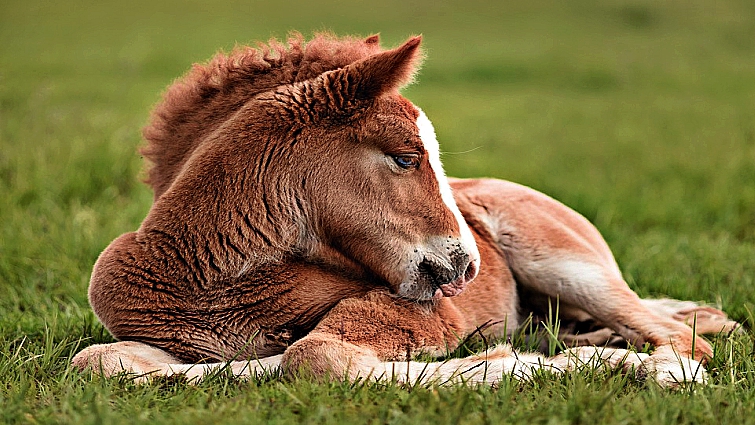
A horse’s sleep needs vary dramatically depending on age. Young foals under three months old might sleep up to 12 hours per day as their bodies grow and develop. As horses mature, this drops significantly to just about three hours of sleep per 24-hour period. Interestingly, senior horses often return to slightly longer sleep sessions, much like aging humans who tend to rest a bit more.
3. The Amazing Ability to Sleep Standing Up
One of the most incredible adaptations in the equine body is the stay apparatus—a remarkable system of ligaments, tendons, and muscles that locks the horse’s legs in place. This system braces the entire foreleg joint system and engages the pastern and fetlock joints in the hind legs. The stifles feature both a locking mechanism and reciprocal action, allowing one hind leg to lock while the other rests.
This evolutionary marvel developed so horses could quickly escape from predators, even while resting. Pretty amazing when you think about it!
4. They Need REM Sleep (Lying Down)
Here’s the catch: while horses can nap standing up, they can only achieve deep REM sleep while lying down. This is crucial for their physical and mental health. That’s why it’s so important to provide your horse with a safe, clean, and comfortable space to lie down for extended periods.
Prolonged REM sleep deprivation can negatively impact your horse’s overall health and wellbeing. So make sure your horse has the opportunity to lay down and get that deep, restorative sleep they need.
5. Herd Life Includes Sleep Duty Rotation
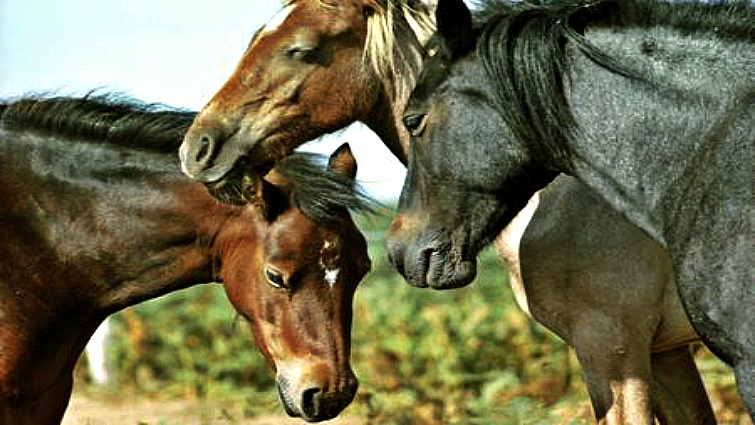
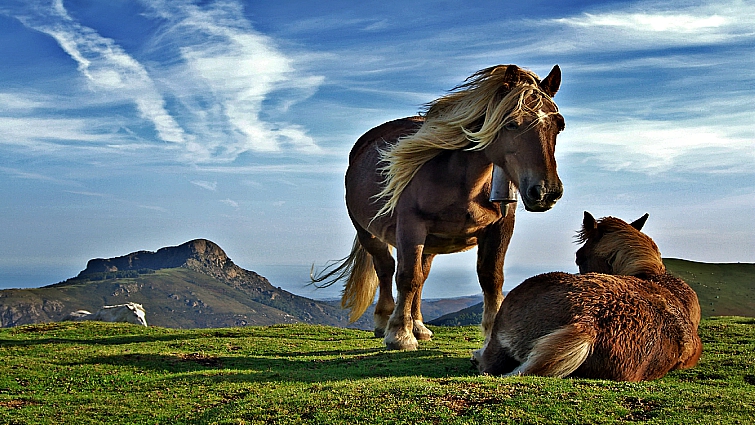
Horses in herds have developed a brilliant system for staying safe while resting: they designate a “guard horse” to stand watch while others lie down. This vigilant guardian alerts the sleeping herd members if danger approaches. The really smart part? Different herd members take turns standing guard, so everyone gets their chance to rest deeply.
This instinctual behavior shows just how intelligent and social horses truly are.
6. Do Horses Dream? The “Sleep Talking” Mystery
If you’ve spent time around sleeping horses, you may have noticed them making small sounds—nickering, grunting, or whinnying softly while at rest. These vocalizations suggest that horses might be dreaming, but unfortunately, we can only speculate about what’s running through their minds. Are they replaying their day? Dreaming about treats? We may never know, but it’s certainly fun to imagine!
7. Every Horse Has Their Own Sleep Schedule
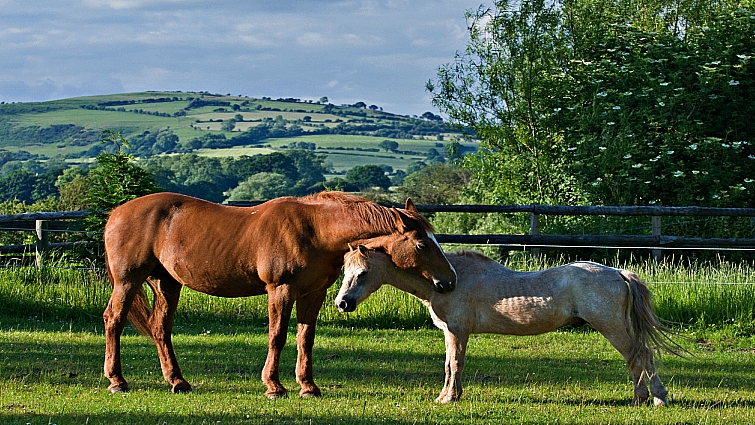
Here’s something many horse owners don’t realize: every horse develops a unique sleep schedule. Since horses are neither nocturnal nor diurnal, each individual horse will naturally gravitate toward their preferred time to doze off. Some might be early risers, while others prefer sleeping in—just like people!
This is an important detail to remember when making changes to your horse’s routine. Any significant adjustments to their daily schedule could affect their sleep patterns, which in turn impacts their overall health and performance. When planning feeding times, training sessions, or turnout schedules, keep your horse’s natural sleep rhythm in mind.
Understanding Your Horse’s Rest Needs
The more we learn about horse sleep, the better care we can provide. By respecting these natural sleep habits and ensuring our horses have adequate opportunities for both standing rest and REM sleep, we’re taking an important step toward keeping them healthy, happy, and performing at their best. Next time you see your horse dozing in the field or laying down in their stall, you’ll know just how important that rest really is.