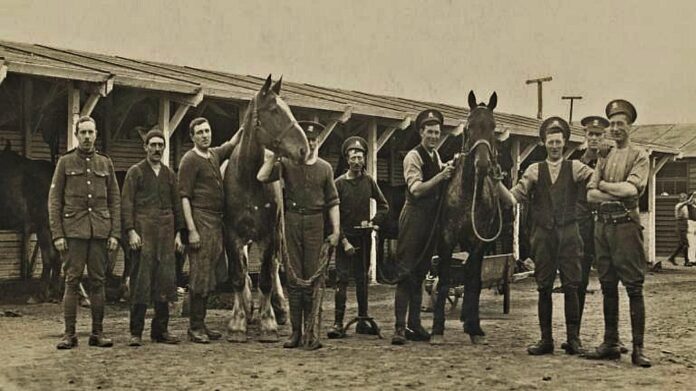

Desensitizing Horses to Gunshots: Military Training Methods That Still Work Today
Does your horse panic at the sound of gunshots? Whether you’re a competitive rider, ranch handler, or simply want a braver mount, fear of loud noises is one of the most common behavioral challenges horse owners face. The good news? Military horsemen have been solving this exact problem for centuries, and their proven techniques are just as effective for modern equestrians.
Understanding the Fear Response
Before we dive into training methods, it’s important to recognize that your horse isn’t being difficult—it’s being a horse. Flight animals rely on their instinct to escape danger, and gunshots trigger that primal survival response. The solution isn’t punishment; it’s patience and proven desensitization techniques that gradually show your horse there’s nothing to fear.
Step 1: Identify the Specific Fear Trigger
Start by pinpointing exactly what scares your horse. Is it the loud bang itself? The unfamiliar sound? The visual of a firearm? Multiple scary stimuli might exist, but here’s the key: tackle one fear at a time. Trying to fix everything simultaneously overwhelms your horse and derails your progress. Pick your biggest concern and commit to working through it completely before moving to the next challenge.
Step 2: Find Your Horse’s “Safe Distance”
Through trial and error, determine how close your horse can approach the scary stimulus before showing fear signals (ear pinning, backing away, or bolting). This distance might be a few feet or considerably farther—and that’s completely fine. This is your starting point, what we’ll call the “safe distance.” There’s no shame in starting far away; progress is progress, no matter how small.
Step 3: Build Positive Associations at Safe Distance
This step is where the magic happens. As frequently as possible, bring your horse to that safe distance from the stimulus. Once there, shower it with praise and rewards—your horse’s favorite treats, gentle scratches behind the ears, or whatever makes it happiest. Stay calm and positive for several minutes, letting your horse associate proximity with good things. Then, while your horse is still relaxed, lead it away to its stall, pasture, or herd to decompress. This creates a powerful positive memory.
Step 4: Advance Gradually, One Step at a Time
On your next session, try moving just one step closer to the scary stimulus. If your horse manages that single step forward, celebrate enthusiastically! Offer generous praise and rewards, then end the session on that high note. Your horse just experienced success, and that’s huge.
What if your horse struggles? Stay calm and don’t punish the fear. Fear-based punishment only creates more anxiety and teaches your horse to distrust you. Instead, take a relaxing walk around the area and return to the scary spot casually—as if nothing unusual just happened. Maintain a neutral, confident demeanor. If your horse bolts, calmly retrieve it and return to the safe distance, no drama or disappointment shown.
Step 5: Persistence and Flexibility
Repeat steps 3 and 4 as frequently as your schedule allows, always trying to gain a tiny bit more ground. Some days your horse might seem to regress—and that’s normal. If your horse bravely approached the stimulus two feet closer yesterday but today wants to maintain yesterday’s distance, that’s fine. Don’t push further after a spook; always ensure your horse ends the session at least at the safe distance, but don’t force progress when confidence is shaken.
Remember, two steps forward and one step back is still net progress. Even stepping backward when needed is valuable—it prevents traumatic experiences that could set your training back weeks. Patience truly is a virtue in this work.
Why This Method Works
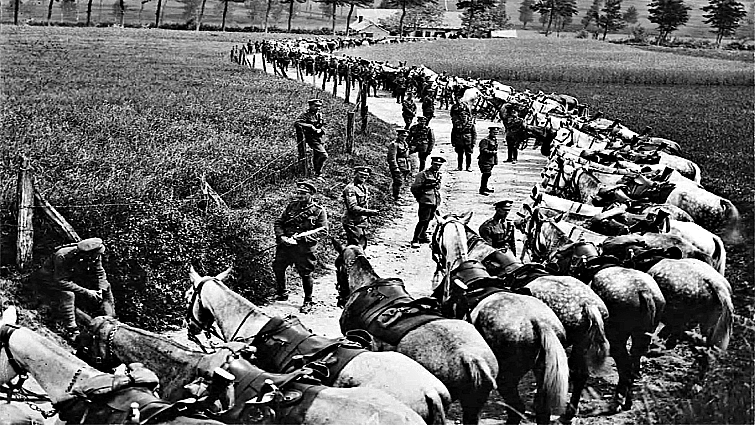
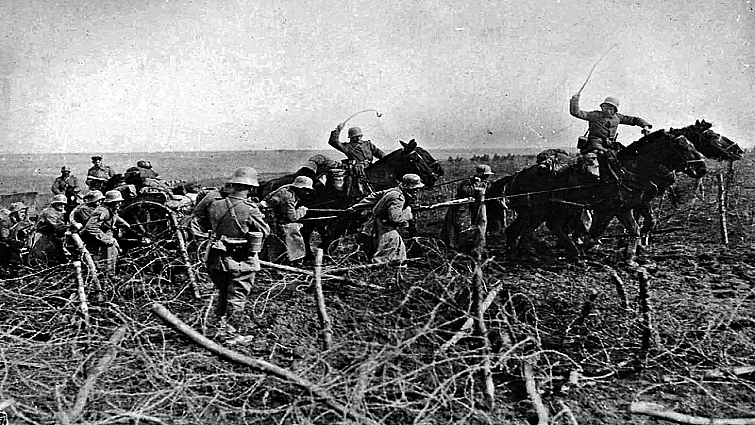
Military horse trainers developed these techniques because they needed reliable mounts in chaotic battlefield conditions. Their methods survived because they’re scientifically sound: gradual exposure, positive reinforcement, and respecting the horse’s emotional threshold create lasting behavioral change without trauma.
Whether your goal is competing in mounted shooting sports, riding on a ranch during hunting season, or simply having a brave partner on the trails, these time-tested strategies work. The key is consistency, patience, and genuine compassion for your horse’s emotional journey.
Final Thoughts
Desensitizing a horse to gunshots or other scary stimuli isn’t a quick fix—but it absolutely works. Stay positive, celebrate small victories, and remember that every step closer is progress worth celebrating. Your horse will reward your patience with newfound confidence and trust.