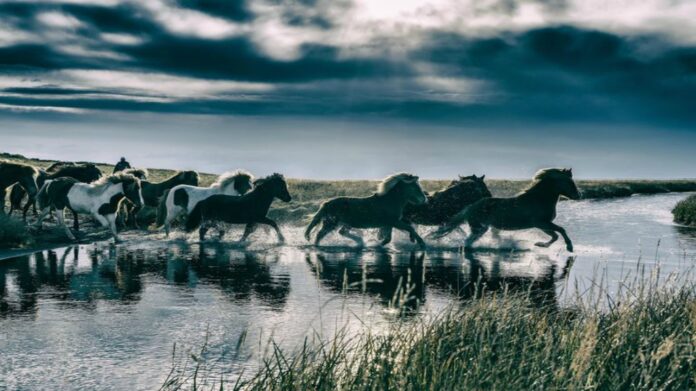

Horses have captured human hearts for thousands of years, but how much do we really know about these magnificent creatures? Whether you’re a dedicated equestrian or just horse-curious, these eight fascinating facts about horses will deepen your appreciation for why we love them so much. Share these incredible tidbits with your non-horsey friends—they’ll be amazed!
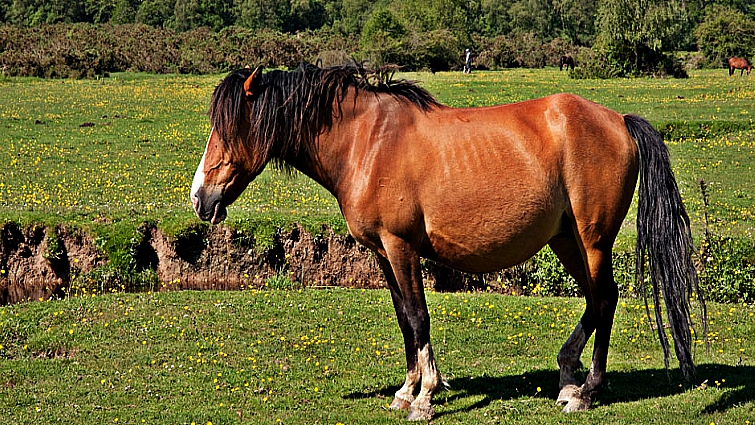
1. Horses Sleep Standing Up (And They’re Actually Brilliant at It)
One of the most iconic horse facts is that these amazing animals can sleep standing up! While horses do occasionally nap lying down, they only do this for short stretches. Thanks to a unique “stay apparatus” in their legs—a special locking mechanism in their joints—horses can snooze upright for hours without toppling over. It’s nature’s way of keeping them alert to danger in the wild. Pretty clever, right?
2. Horses Can’t Burp (Or Vomit, For That Matter)
Here’s a wild fact that surprises everyone: horses are physically incapable of burping! Unlike humans, dogs, and cattle, horses can’t regurgitate food. Their digestive system is essentially a one-way street, which means what goes down stays down. They also can’t breathe through their mouths the way we do. This unique digestive design is why proper nutrition and veterinary care are so critical for equine health—horses are much more sensitive to digestive issues than other animals.

3. You Can Tell a Horse’s Age by Looking at Its Teeth
Want to know how old a horse is? Look at its teeth! While you can’t pinpoint the exact age, experienced horse professionals can estimate a horse’s age pretty accurately by examining tooth wear and development patterns. Of course, this method has its limits. Some horses outlive their teeth, which is why senior horses need special feeding strategies and dedicated equine dental care to stay healthy and comfortable in their golden years.
4. Horses Can Live Longer Than You’d Think
Thanks to advances in equine nutrition, veterinary medicine, and overall horse care, many horses now live well into their 30s! This remarkable extension in horse lifespan mirrors improvements in human longevity. With proper care, nutrition, and veterinary attention, your beloved equine companion could spend three wonderful decades by your side. That’s more than enough time to build an unforgettable bond.
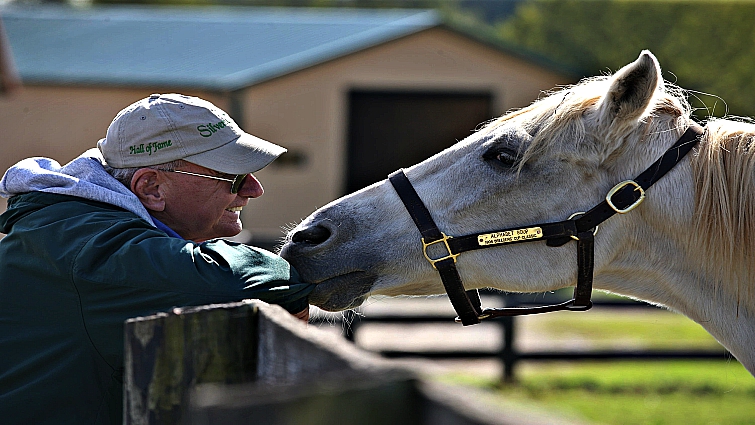
5. Horses Are Natural Herd Animals—They Need Friends
In the wild, horses live in small family herds, and this instinct doesn’t disappear when they’re domesticated. A lonely horse is a stressed horse! To keep your horse mentally healthy and emotionally happy, they absolutely need equine companionship. Whether it’s another horse, a donkey buddy, or even a goat friend, horses thrive when they have someone to interact with. Solo horses often develop behavioral issues, so giving your horse a companion is one of the best gifts you can give them.
6. Humans Have Been Riding Horses for More Than 3,500 Years
Our relationship with horses goes back surprisingly far! While dogs were domesticated around 14,000 years ago and cats about 8,500 years ago, horses joined the human family much more recently—around 3,500 B.C. Archaeological evidence even suggests domestication may have happened even earlier. Since then, horses have been our partners in agriculture, transportation, warfare, sport, and companionship. That’s a pretty impressive partnership!
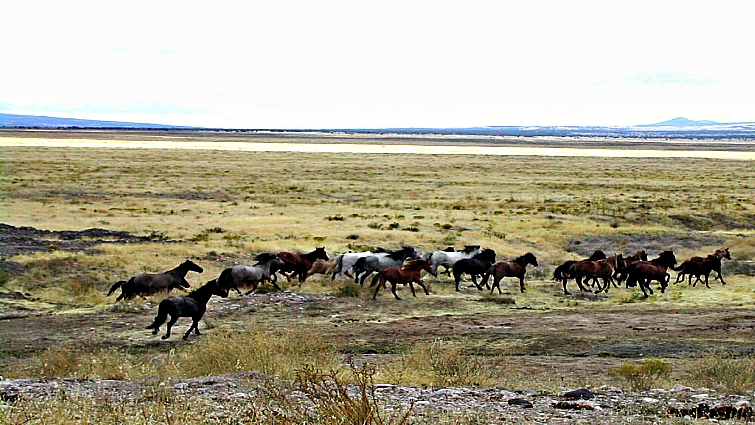
7. North American Horses Are Actually Descendants of European Horses
This might surprise you: every horse in North America today is a descendant of horses brought over by Europeans. Even the “wild” mustangs roaming the American West are actually feral horses—their ancestors escaped from captivity centuries ago. Here’s the really wild part: horses originally evolved in North America! They disappeared from the continent over 8,000 years ago, and extensive fossil evidence proves their ancestors lived here long before modern humans arrived. Horses made a comeback to their ancestral homeland thanks to Spanish conquistadors and European settlers.
8. The Original Horse Was Smaller Than Your Golden Retriever
Fast forward 50 million years, and it’s hard to imagine the tiny creature that started it all. The Hyracotherium, the ancestor of modern horses, was no bigger than a Golden Retriever! This diminutive creature, which lived during the Eocene epoch, looked more like a small goat or deer than the powerful 1,000-pound horse we know today. Over millions of years of evolution, horses gradually grew larger, stronger, and more suited to living on open grasslands. Talk about an evolutionary glow-up!
Share These Horse Facts With Pride!
Now you’ve got eight incredible facts to impress your non-horsey friends! From their amazing sleeping abilities to their million-year evolutionary journey, horses truly are remarkable animals. Whether you’re sharing these tidbits at the dinner table or using them to inspire others to appreciate horses, these facts showcase just how special our equine companions really are. Do you have any other fascinating horse facts? Share them in the comments below!