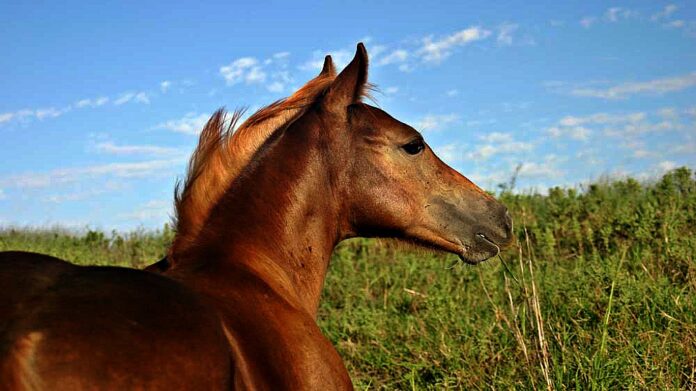

Your horse’s ears are constantly communicating—if you know how to listen. As an equestrian, understanding ear positions is one of the most valuable skills you can develop. Ear language is your horse’s way of telling you about his emotional state, comfort level, and what’s grabbing his attention. Let’s dive into what those ears are really saying!
Alert and Focused: Ears Pricked Forward
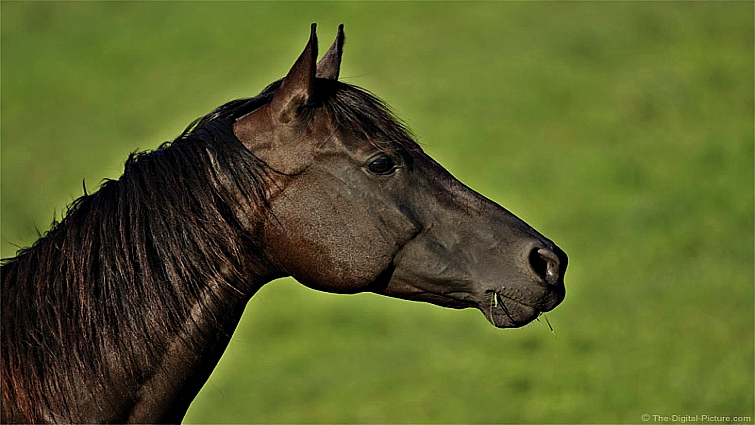
When your horse’s ears are forward and standing erect, you’re looking at a horse who is locked in and aware. His brain is fully engaged with his surroundings, and he’s ready to react to whatever catches his eye—or what he thinks might be coming his way. A horse in this state is intensely focused, and it might be challenging to redirect his attention elsewhere.
If your horse seems to be getting tense while focused on something, try giving him a new job or turning his attention to you. Remember: when your horse is this alert, you need to be alert too. You never quite know how he’ll respond to what has his attention, so stay present and ready to respond calmly and assertively.
Relaxed and Content: Ears in a Neutral Position
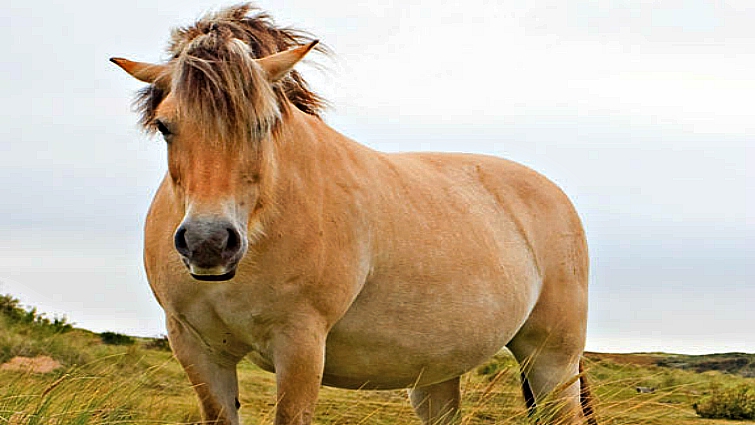
This is the ear position that every rider dreams of seeing! When your horse’s ears are slightly floppy and relaxed, he’s completely at ease. He’s aware of his surroundings but perfectly content—maybe just munching grass without a care in the world. This is true relaxation and trust.
There’s nothing quite like the connection you feel when your horse trusts you enough to let his ears relax around you. It’s a sign that real trust has been established and that your horse feels safe in your presence. This is the environment where good riding and horsemanship happen.
One important note: A relaxed horse might actually be napping! If your horse seems particularly soft and relaxed while standing alone, make sure to talk to him as you approach. This gentle warning prevents startling him and keeps both of you safe.
Unhappy and Uncomfortable: Ears Tilting Back
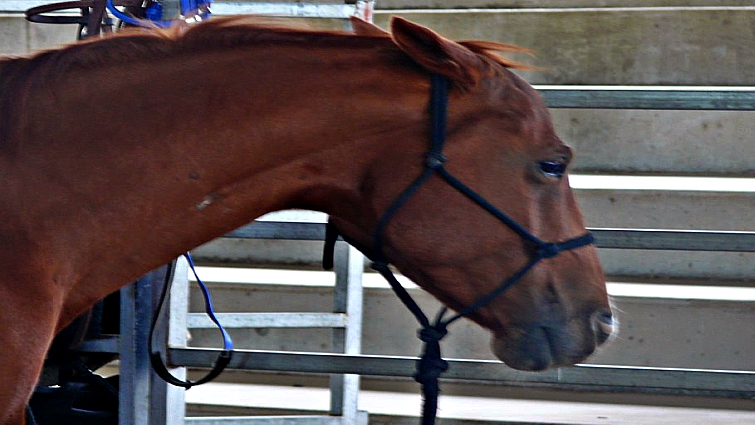
When your horse’s ears start to swivel backward, he’s sending you a warning message. This is his way of saying, “I’m not happy about this.” You might also notice his ears twitching rapidly back and forth—another classic sign of tension or uneasiness.
This is your golden opportunity to listen and respond! Pay close attention to what triggered this ear position and adjust or stop your current action immediately. Is your bit uncomfortable? Is the saddle pinching? Is the exercise too difficult? Address the concern now.
Ignoring these early warning signs is risky. If you dismiss what your horse is telling you, the behavior will escalate. What starts as backward ears can develop into more aggressive responses like biting or kicking. Your horse is communicating respectfully—honor that by responding to his feedback.
Angry and Aggressive: Ears Pinned Back
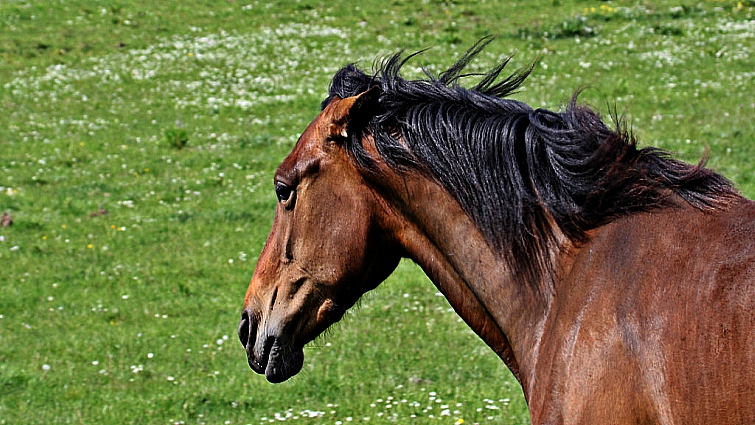
Beware: pinned ears mean an angry horse. This is pure aggression, and it’s often the red flag before a bite, kick, or charge. If you see this ear position, stop what you’re doing immediately and create distance between yourself and your horse if he doesn’t quickly settle down.
If you’re riding and encounter pinned ears, first consider whether your horse might be in pain. Sometimes aggression is actually a pain response. Check your tack thoroughly—is something poking him? Does your saddle fit properly? If the pinned ears persist after you’ve changed your activity and adjusted everything, call your veterinarian. Your horse might be dealing with back pain or another source of discomfort that only a vet can diagnose.
Reading Your Horse’s Ears: The Bottom Line
Your horse’s ears are a window into his mind and emotional state. By learning to read them, you develop a deeper partnership with your equine partner. You’ll catch problems early, prevent dangerous situations, and build the kind of trust that makes riding truly rewarding.
The next time you’re around your horse, take a moment to really observe his ears. What story are they telling you today?