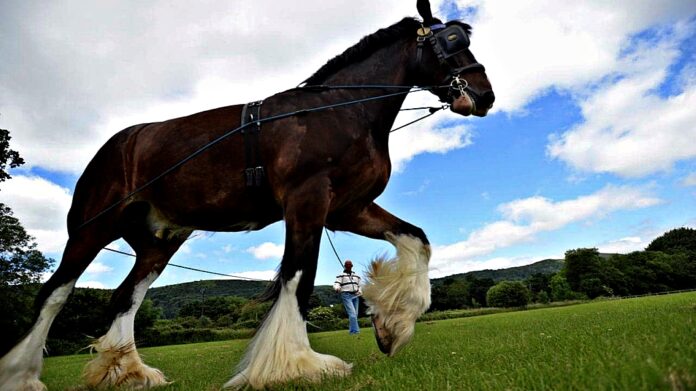

The equestrian world is witnessing a quiet crisis. Several magnificent horse breeds face extinction, with populations dwindling to alarming numbers. These aren’t just statistics—they represent centuries of heritage, bloodlines, and unique qualities that make each breed special. Let’s explore five of the most critically endangered horses and why their preservation matters.
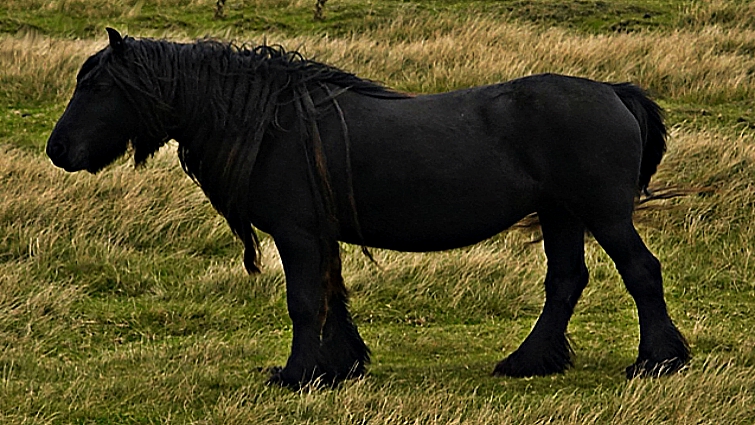
1. Dales Pony: A Hardy Breed in Crisis
With fewer than 3,000 remaining, the Dales pony has recently been elevated to “Critical” status by the Rare Breeds Survival Trust. This organization works tirelessly to conserve and protect native British livestock breeds. The Dales pony hails from England and is known for its hardiness and strength.
Like the Exmoor pony, Dales ponies were once essential working animals in mining operations. However, their numbers crashed dramatically during and after the World Wars when traditional equine labor became less crucial. Today, dedicated breeders are fighting to bring these remarkable ponies back from the brink of extinction.
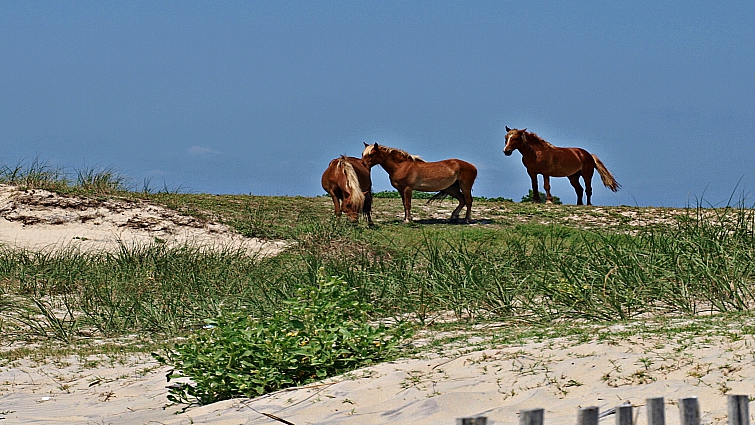
2. Colonial Spanish Horses: America’s Living Legacy
Colonial Spanish horses represent a group of approximately 15 distinct breeds and strains descending from Spanish stock brought to the United States centuries ago. With fewer than 2,200 individuals remaining, these horses have profoundly influenced American gaited horse breeds.
Notable Colonial Spanish bloodlines include the Spanish Barb, Carolina Marsh Tacky, and Florida Cracker horses. Each represents a unique chapter in American horse history, carrying genetics and characteristics that trace back to Spanish conquistadors. Preserving these breeds is essential to maintaining genetic diversity in the equestrian world.
3. Canadian Horse: “The Little Iron Horse”
The Canadian horse—also known as le cheval canadien or “the little iron horse”—carries French heritage brought to Canada by King Louis XIV in 1665, 1667, and 1670. Today, fewer than 2,200 of these exceptional animals remain.
Canadian horses were the ultimate all-purpose breed, excelling at everything from riding to pulling freight wagons. Their legendary versatility and unmatched hardiness made them invaluable—perhaps too invaluable. Breeders exported them internationally, and military forces conscripted them for service (including during the American Civil War). By 1880, they were nearly extinct. Fortunately, conservation efforts beginning in the 1970s have helped stabilize their population, though they remain critically endangered.
4. Shire: The Gentle Giant Making a Comeback
With fewer than 2,000 registered breeding individuals, Shire horses are among the world’s most endangered heavy breeds. These magnificent animals descended from stock bred to carry armored knights into medieval battles.
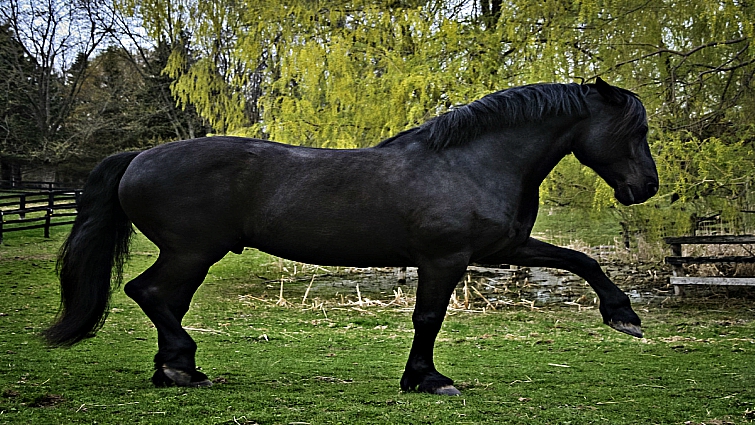
Later adapted for farm work and hauling heavy loads across rough terrain, Shires nearly vanished during the 1950s and ’60s when mechanization transformed agriculture. Yet today, these gentle giants are experiencing a remarkable renaissance! Some Shires continue their heritage of heavy work in forestry operations where mechanized vehicles cannot reach, while others have gained renewed popularity in showing and driving competitions.
5. Hackney Horse and Hackney Pony: Masterpieces of Selective Breeding
With fewer than 1,500 remaining, both the Hackney horse and Hackney pony are critically endangered. Though related, these are distinct types with different proportions and purposes.
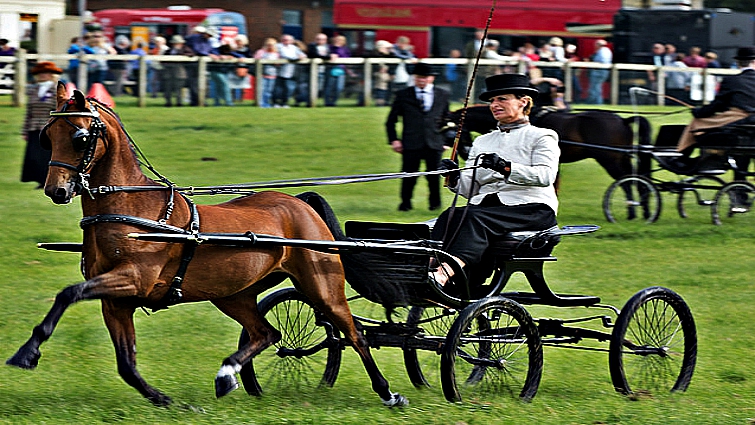
The Hackney pony represents one of the few horse breeds developed entirely through controlled, deliberate breeding. In the 1800s, breeder Christopher Wilson set out to create the perfect “roadster”—a horse with both style and exceptional stamina. He crossed Hackney horse stallions with Fell ponies to achieve his vision. The result? A breed that became so influential, it shaped the development of the “modern-type” Shetland pony and continues to captivate enthusiasts at driving competitions worldwide.
Why These Breeds Matter
These critically endangered horses aren’t relics of the past—they’re living treasures. Each breed carries unique genetic material, distinct temperaments, and specialized abilities refined over centuries. Their extinction would represent an irreplaceable loss to equestrian heritage and genetic diversity.
If you’re passionate about horses and want to help, consider supporting breed societies, purchasing from reputable breeders who preserve these lines, or volunteering with conservation organizations. Every effort counts in ensuring these magnificent breeds gallop into the future.