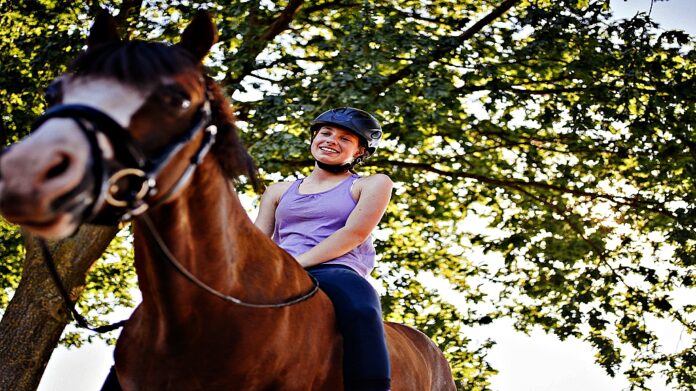

Debunking Common Horseback Riding Myths
If you’re passionate about horses, you’ve probably heard some pretty wild misconceptions about horseback riding. From people who think it’s just sitting around to those who believe it requires minimal effort, these myths can be frustrating for serious riders. Let’s bust through these misconceptions together and uncover the truth about this incredible sport.
Myth #1: Riding a Horse Is Just Sitting
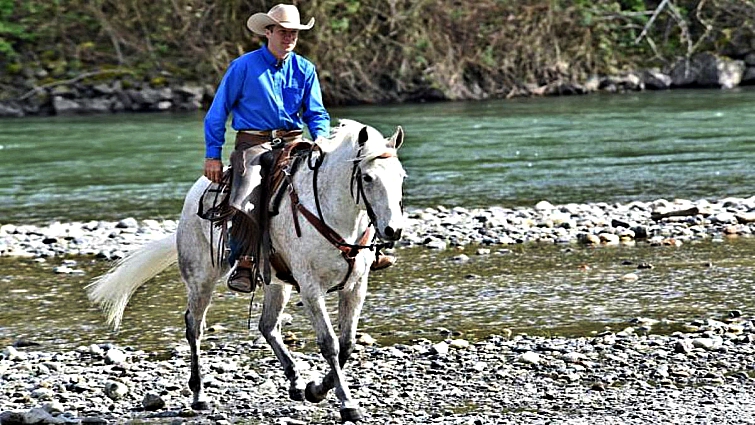
This myth never fails to get a laugh from experienced riders—and sometimes a gentle eye-roll. Sure, you’re technically positioned on the horse’s back, but calling it “sitting” dramatically undersells what’s actually happening. When you ride, especially in disciplines like dressage or on a challenging trail, your body becomes a symphony of coordinated movements.
Riding demands incredible core strength, balance, and body awareness. You’re engaging your legs, seat, back, and arms in constant, subtle adjustments. You’re reading your horse’s responses, anticipating obstacles, and communicating through precise cues. Throw in a dressage test or a ten-mile trail ride, and suddenly that couch sitting looks pretty tame by comparison. True horseback riding is an athletic skill that requires years of practice to master.
Myth #2: All You Need Is Trust in Your Horse
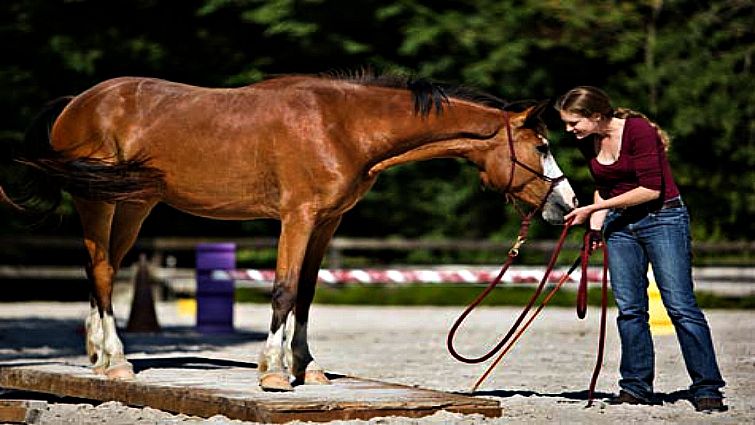
While trust between horse and rider is important, it’s only part of the equation. Here’s the reality: horses are prey animals, not naturally programmed to prioritize your safety and comfort. Their instinct is self-preservation, not self-sacrifice.
Effective horsemanship requires understanding equine psychology and establishing yourself as a confident, consistent leader. Your horse needs to trust that you make good decisions—not the other way around. If you let your horse think for itself and make all its own choices, you’re essentially asking it to be the leader. That’s a recipe for problems, from spooking incidents to dangerous behavior.
The best rider-horse relationships are built on mutual respect and clear communication, where the rider leads with confidence and consistency. This approach keeps both you and your horse safer and happier.
Myth #3: Nervous Riders Just Need More Horse Knowledge
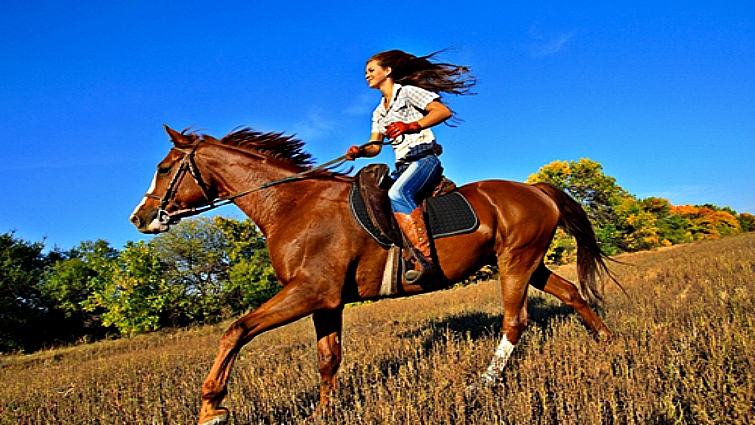
Here’s a truth that might surprise you: loss of confidence isn’t exclusive to inexperienced riders. Even seasoned equestrians with years of experience can suddenly find themselves struggling with fear. Whether it stems from a traumatic accident, a series of near-misses, or that sneaky “what if” spiral in your head, confidence can vanish faster than you’d expect.
While understanding horse behavior is valuable, it won’t automatically solve fear-based issues. Confidence loss requires a different approach—one that often involves patience, professional guidance, and sometimes working with an equine therapist or sports psychologist. The encouraging news? Fear can be overcome. It just takes time, support, and the right strategy. You’re not alone if you’re experiencing this, and seeking help is a sign of strength, not weakness.
Myth #4: Horseback Riding Isn’t Real Exercise
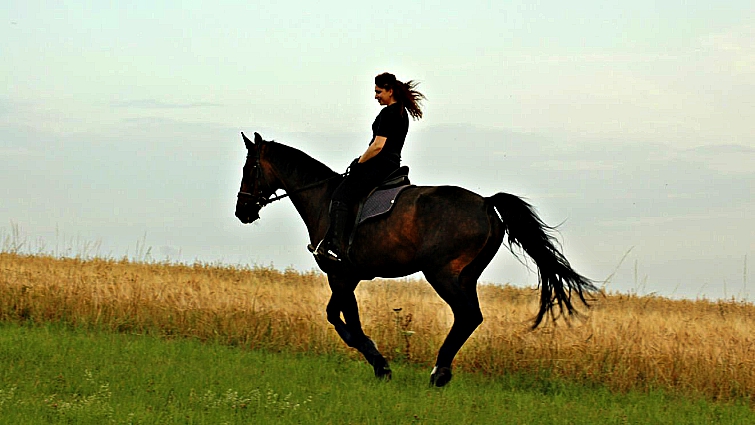
Anyone who claims horseback riding isn’t exercise clearly hasn’t spent a day in the saddle. Let’s break down why this myth is completely off-base:
- Muscle Engagement: Riding strengthens muscles throughout your body, particularly your inner thighs, core, back, and legs—areas many other activities don’t target as effectively.
- Calorie Burn: Yes, riding burns calories. A single hour in the saddle can burn 300-400+ calories depending on the intensity.
- Balance and Coordination: Every ride improves your proprioception and overall balance.
- Cardiovascular Benefits: Your heart rate increases during riding, especially during faster gaits or extended periods in the saddle.
- Beyond the Saddle: Don’t forget the physical work involved in grooming, tacking up, carrying saddles, and mucking stalls. These activities all contribute significantly to your overall fitness.
Even a leisurely walk around the ring provides fitness and health benefits. Your internal organs benefit from the gentle movement and improved circulation. Horseback riding checks every box for quality exercise: it builds strength, increases endurance, improves flexibility, and enhances overall health. It’s one of the few sports that works your body while feeding your soul.
The Bottom Line
Whether you’re a beginner rider or a seasoned competitor, understanding the truth behind these myths helps you appreciate the complexity and beauty of horsemanship. Riding is challenging, rewarding, physically demanding, and deeply enriching. If someone ever tells you it’s “just sitting,” just smile—they’ll understand once they try it themselves.