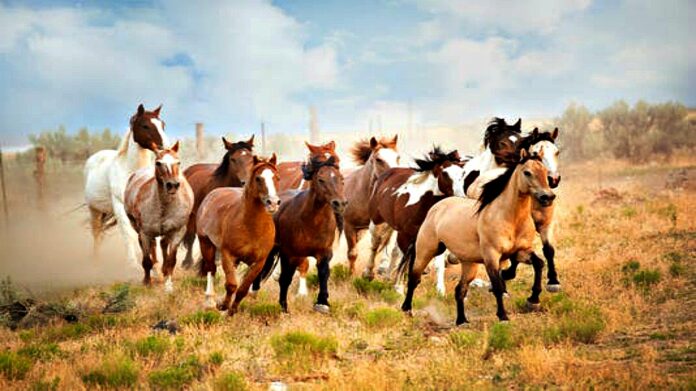

Understanding Horse Behavior: Wild and Domestic
Horses have captivated humans for millennia, and through centuries of domestication and selective breeding, we’ve come to understand these magnificent animals on a deeper level. Yet whether wild or domestic, every horse remains a unique individual—each deserving recognition for their own distinct personality and character.
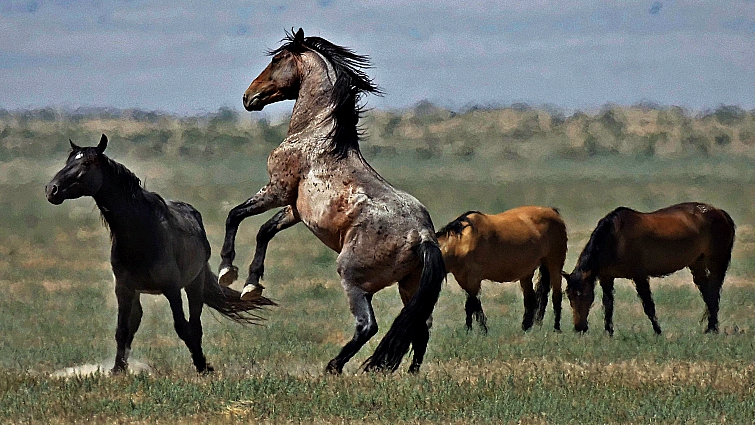
The Herd: Nature’s Social Structure
What makes horses truly special as a species are their innate characteristics that set them apart from nearly every other animal on Earth. Horses are fundamentally herd animals, and they thrive within a hierarchical social structure that governs their interactions and relationships.
Within this complex social framework, something beautiful emerges: individual bonds and deep friendships. Whether wild or domestic, horses naturally gravitate toward favorite companions and partners within their herd. This natural tendency toward partnership is the foundation that allows us humans—when we approach with respect and proper understanding—to build extraordinary relationships with our equine partners. A horse that feels loved and secure will choose to be near you, making these connections truly special.
For more insights into equine behavior and training philosophy, check out the expertise of Bob Burelli, a respected voice in understanding horse dynamics.
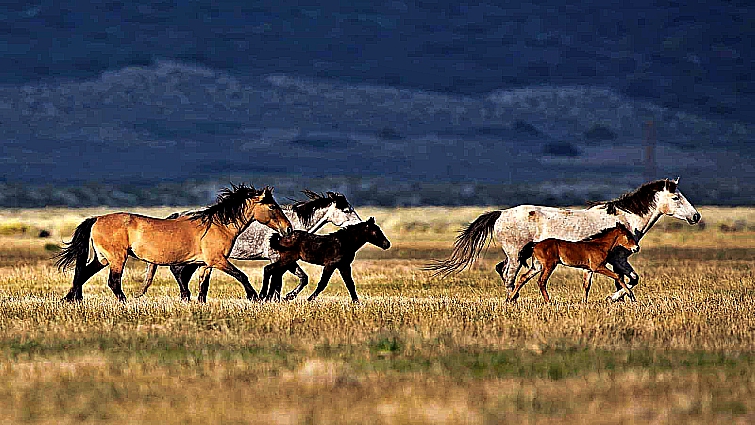
Curiosity in Wild Horses: A Cautious Dance
Picture yourself on a wild horse sanctuary out West, observing these untamed creatures in their natural environment. From a distance, a herd of wild horses grazes peacefully—animals that have never experienced human touch. As you approach, something remarkable happens: the entire herd lifts their heads and locks their gaze on you. They’re curious, but cautious.
Here’s where patience becomes your greatest tool. You stand still and wait. Slowly, something shifts. The herd’s curiosity begins to override their wariness, and they start moving toward you. Step by step, they approach closer… 300 yards away… and then they stop, assessing the situation. Their eyes study your every move, waiting to see what you’ll do next.
This is the delicate dance of earning a wild horse’s trust. If you move aggressively, they flee. If you approach with gentleness and quiet confidence, they may still leave—but without the panic, without the desperation. The wild horse’s curiosity is powerful, but never stronger than their instinct for safety.
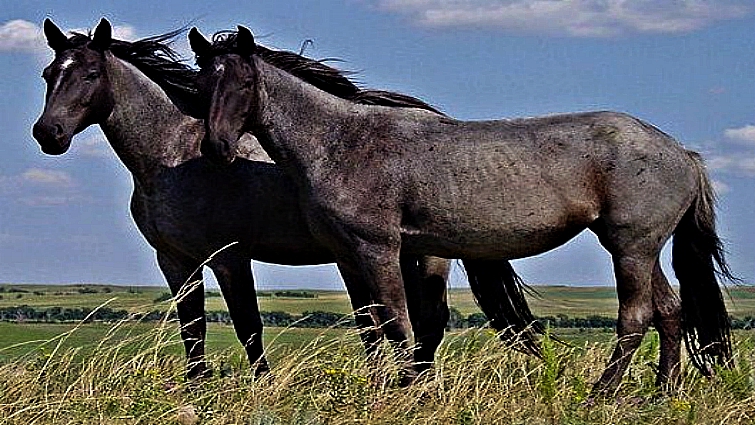
Curiosity in Domestic Horses: Trust Takes Root
Now shift your perspective to a breeding farm with 500-600 horses grazing peacefully in sprawling pastures. You spot a herd of about 100 horses in the distance and make your presence known. What happens next is a dramatic contrast: the entire herd gallops directly toward you with confidence and enthusiasm.
Suddenly you’re surrounded by stallions, mares, and foals—all eager to investigate. These horses are friendly, approachable, and comfortable with human interaction. The babies nudge closer so you can stroke their soft coats. The stallion lowers his head and rests it gently on your shoulder. Where wild horses maintain distance, domestic horses actively seek connection.
The difference is striking: domestic horses possess that same curiosity as their wild cousins, but they’ve learned to trust. They understand that human presence means safety, leadership, and partnership rather than threat. Their curiosity is now paired with confidence—a powerful combination that transforms the entire dynamic.
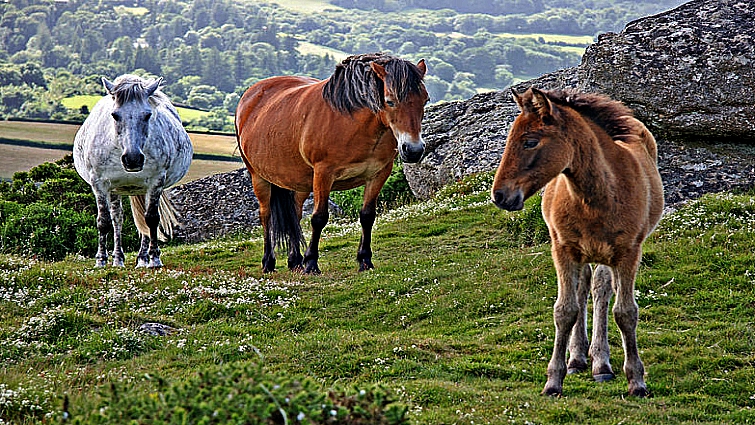
The Most Remarkable Horse Trait: Trust Over Fear
If there’s one thing that makes horses truly extraordinary, it’s this: when properly loved and guided with correct body language and leadership, a horse will choose trust over fear—even when fear would be the safer option.
This capacity for trust is what allows us to build such profound relationships with these animals. It’s not about domination or control; it’s about becoming a leader that a horse feels secure following. When a horse recognizes you as someone who understands them, respects their nature, and provides consistent, calm guidance, they will voluntarily place themselves in vulnerable situations.
Whether you’re working with wild horses learning to accept human contact for the first time, or domestic horses ready to explore new adventures with you, remember: every horse carries within them this beautiful capacity for trust. Our job as horsemen and horsewomen is to honor that capacity and nurture it with patience, respect, and genuine care.
The similarities between wild and domestic horses remind us that beneath the saddle, bridle, and training, there beats the heart of an individual creature worthy of recognition—and capable of extraordinary partnership.