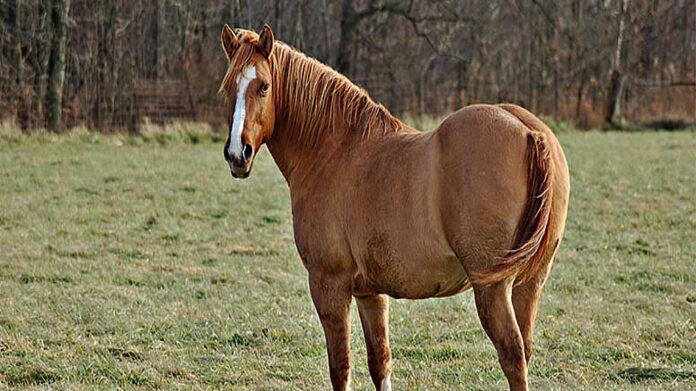

Lush pastures might look beautiful, but they can spell trouble for many of our equine friends. With obesity affecting up to 70% of some pony populations, weight management has become a critical concern for horse owners everywhere. The good news? You have more control over your horse’s weight than you might think.
Why Horse Weight Matters More Than You Think
Let’s face it: a chubby horse might look cute, but excess weight carries serious health risks. According to Clare Barfoot RNutr, research and development manager at Spillers, the stakes are high. “Recent studies suggest that weight gain more than doubles the risk of horses and ponies developing laminitis,” Clare explains. “Excess weight can also increase the risk of insulin dysfunction and poor performance.”
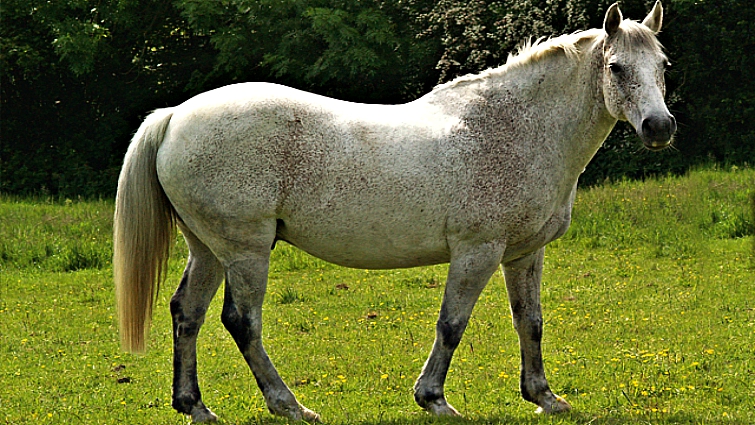
8 Proven Strategies for Managing Your Horse’s Weight
1. Use Winter as Your Weight Loss Window
Nature gives us the perfect opportunity each winter. Allow your horse to naturally shed excess pounds during the colder months. Heading into spring with visible (but not protruding) ribs sets your horse up perfectly for controlled weight gain when fresh grass appears. It’s the ideal preventative approach that works with Mother Nature, not against her.
2. Invest in Nutritional Balancing
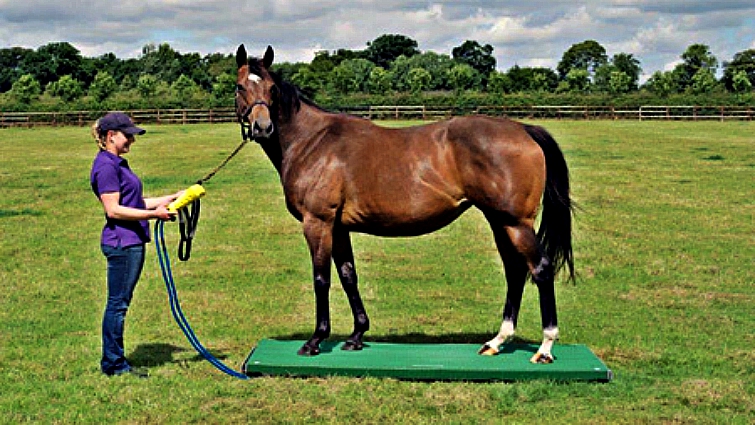
Restricting forage doesn’t mean compromising nutrition. The latest research emphasizes the importance of a low-calorie, protein, vitamin, and mineral balancer for horses on restricted grazing. This ensures your horse stays healthy while losing weight—it’s about smart feeding, not starvation.
3. Monitor Fecal Output Daily
This might sound unglamorous, but checking your horse’s manure is one of the most reliable ways to assess grazing reduction. When you’ve restricted pasture access, you’ll typically need to see about a 50% decrease in output to achieve meaningful weight loss, especially if your horse previously had unlimited grazing.
4. Rethink Those Summer Rugs
Here’s a surprising tip: skip the summer rug! Most horses don’t actually need them, even in wet weather. Letting your horse regulate their own temperature naturally encourages the body to burn calories maintaining warmth—just as nature intended. Your horse will thank you, and you’ll see results.

5. Switch High-Risk Horses to Alternative Forage
Horses and ponies at serious laminitis risk need special handling. Consider removing them from pasture entirely and feeding a laminitis-approved alternative forage or high-fiber short-chop product. The Laminitis Trust maintains a list of suitable options—consult it before making changes.
6. Get Your Hay and Haylage Analyzed
Knowledge is power when it comes to feeding for weight loss. Invest in a forage analysis to understand the exact nutrient and water-soluble carbohydrate (WSC) content of your hay or haylage. This takes the guesswork out of your weight management program and ensures you’re feeding appropriate nutrition.
7. Weigh Your Forage Precisely
Stop eyeballing portions! Work with your veterinarian to determine the exact percentage of body weight your horse needs for safe weight loss. Weigh your forage before feeding—and remember, if you soak hay, account for the 20% increase in dry weight lost during soaking.
8. Commit to Consistent Exercise
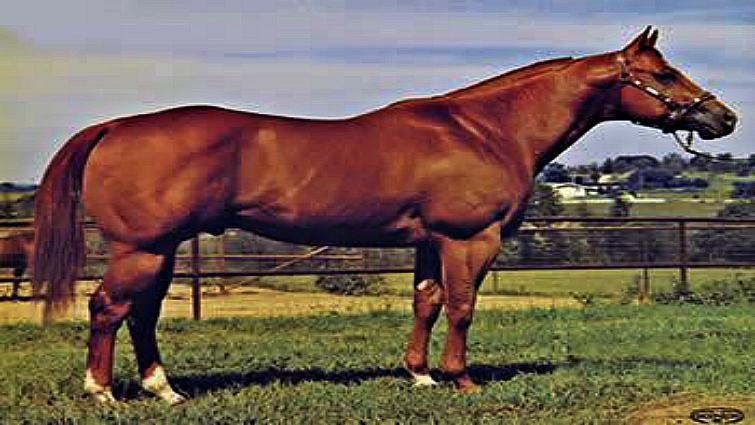
Diet alone won’t cut it. Aim for a minimum of 25 minutes of exercise at least five times weekly—with at least 15 minutes spent at a brisk trot. Regular movement not only burns calories but also supports healthy metabolism and keeps your horse mentally engaged.
Your Horse’s Healthy Weight Journey Starts Now
Managing your horse’s weight isn’t about deprivation—it’s about making smart, informed choices that support long-term health and performance. By implementing these evidence-based strategies, you’ll set your horse up for a healthier, more vibrant life in the saddle. Your four-legged partner will feel better, perform better, and enjoy years of happier riding with you.
Remember: every horse is different. Always consult with your veterinarian or equine nutritionist before making significant changes to your horse’s feeding or exercise routine. Your commitment to their weight management today is an investment in their wellness tomorrow.