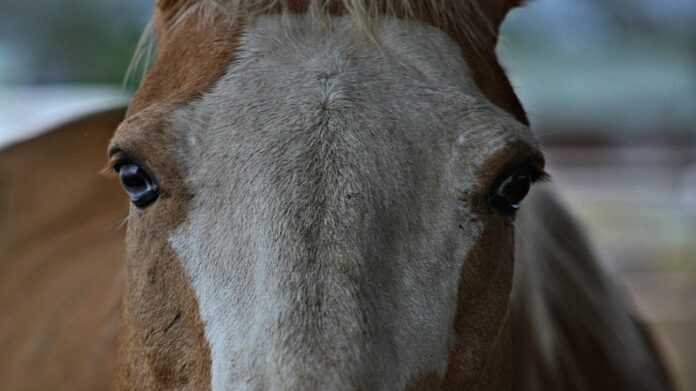

Whether you’re a seasoned equestrian or just starting your horse journey, understanding equine body language is absolutely crucial. Horses are incredibly expressive animals, and they communicate their emotions through subtle physical cues. Once you learn to read these signals, you’ll develop a deeper connection with your horse and become a safer, more confident rider. Let’s break down the essential ‘horsey language’ every horse person should know!
The Ears Tell All
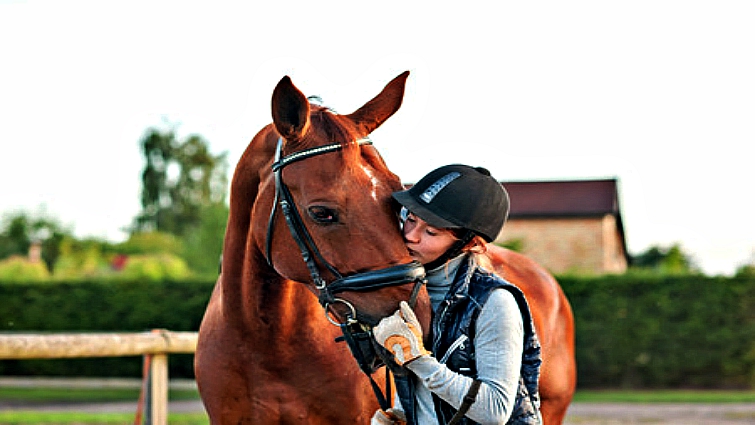
Your horse’s ears are like a mood barometer—they’re one of the first things riding instructors teach students to monitor. Horses have remarkably expressive ears, and they’re surprisingly easy to read once you know what to look for.
Alert and forward-facing ears mean your horse is engaged, interested, and possibly a bit excited about their surroundings. They’re locked in and paying attention!
Relaxed, drooping ears (pointing slightly forward or to the sides) signal a content, comfortable horse. If you see this position, your buddy is likely feeling peaceful—maybe even contemplating a nap.
Ears pinned flat back against the head are a red flag. This is your horse’s way of saying they’re either frightened or angry. Respect this signal and give them space to settle down.
Head and Neck: Reading Tension and Alertness

The position of your horse’s head and neck reveals a lot about their mental state and level of alertness.
A lowered head (hanging naturally in front of the chest) indicates deep relaxation. Your horse feels safe and secure—they might even be dozing off! This is the sweet spot we all aim for during trail rides and cool-downs.
A sharply raised head is your horse’s alert button. They’re startled, focused intently on something, or possibly sensing a threat. Horses will also raise their chin suddenly if they’re spooked, experiencing pain, or zeroing in on something that’s captured their attention.
The Muzzle: What Your Horse’s Mouth Reveals
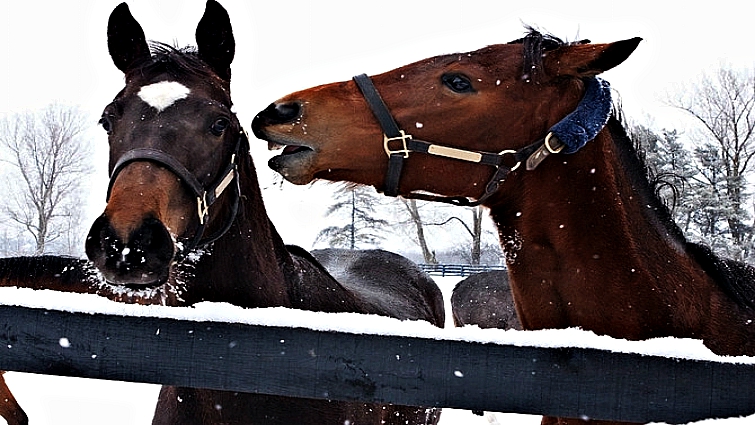
Your horse’s muzzle and mouth movements are incredibly telling!
An angry horse may open their mouth wide and pull back their upper lip to display their teeth—a clear warning to back off before they bite. This aggressive display is your cue to give them space immediately.
A happy, mentally engaged horse will often chew, even without food in their mouth! This gentle jaw movement signals that your horse is thinking through a problem or focusing intently on something. It’s actually a positive sign of mental engagement.
A curious or confused horse encountering something new will flare their lips back and roll them around as they try to identify a new smell or stimulus. It’s like they’re saying, “What is this interesting thing?” This is perfectly normal exploratory behavior.
The Eyes: The Windows to Your Horse’s Emotions

A horse’s eyes are perhaps the most revealing feature of all. Pay close attention to what they’re communicating!
Visible whites around the eyes are a major warning sign. When a horse opens their eyes abnormally wide, you’re seeing the whites—a clear indicator they’re upset, scared, angry, or trying to intimidate. This is when you need to proceed with caution and help your horse settle.
Rapidly darting eyes moving back and forth tell you your horse is nervous and considering an escape route. If you have a Houdini artist on your hands, those quick eye movements are an early warning signal to stay alert and calm.
Drooping, half-lidded eyes reveal extreme contentment. This soft, sleepy expression usually means your horse has a full belly and is completely relaxed—the ultimate goal for bonding and trust-building!
Put It All Together
Reading horse body language is a skill that improves with practice and observation. By paying attention to your horse’s ears, head position, muzzle movements, and eye expressions, you’ll develop an intuitive understanding of their emotional state. This knowledge makes you a safer rider, a better handler, and most importantly, a more compassionate partner to your equine friend.
The next time you’re around horses, take a moment to really observe their communication. You’ll be amazed at how much they’re trying to tell you!