

Horse lovers everywhere are drawn to these magnificent creatures for good reason—their beauty, intelligence, and gentle spirits captivate us. Whether you’re admiring them from afar or dreaming of climbing into the saddle, horses inspire passion in people of all ages.
But here’s the truth: not everyone who decides to try horseback riding takes the time to learn proper safety practices first. The result? A concerning number of preventable accidents and injuries that could have been avoided with the right preparation and knowledge.
What the Video Reveals About Equestrian Safety
We’ve compiled real-world examples of common riding mistakes, and the patterns are alarming. Most of these incidents stem from a few critical oversights:
The Helmet Crisis: No Compromise on Head Protection
This is the biggest offender across nearly every incident in our compilation. A proper riding helmet isn’t just recommended—it’s absolutely essential. Head injuries from falls can be life-altering or fatal. No matter how experienced you think you are or how short your ride might be, your helmet should be non-negotiable. Choose an ASTM or SEI-certified helmet that fits properly, and wear it every single time you ride.
Rider Weight: A Critical Consideration
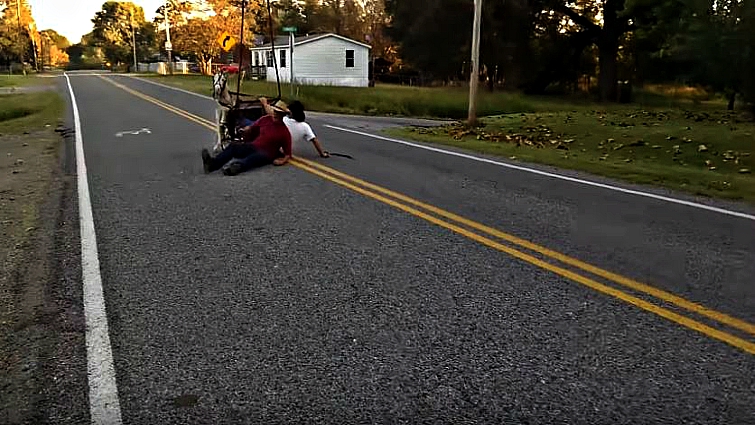
Another recurring problem in these fails involves weight distribution. Equestrian research consistently shows that a rider shouldn’t exceed 20% of their horse’s body weight. This isn’t just a rule of thumb—it’s backed by science. When riders exceed this threshold, they risk:
- Back and spinal injuries to the horse
- Reduced mobility and stamina for the horse
- Behavioral issues and bucking
- Long-term soundness problems
If you’re uncertain about whether you’re an appropriate weight for your horse, consult with an experienced trainer or veterinarian.
Watch and Learn
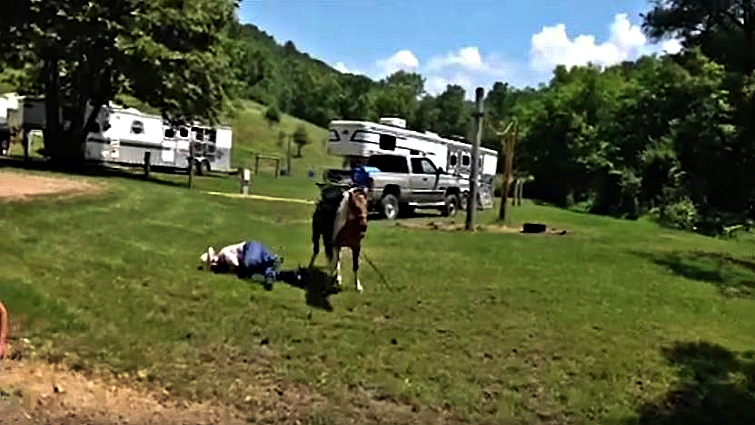
Check out this compilation of real riding incidents below. While some clips might seem humorous at first glance, many highlight genuinely dangerous situations that sparked valid criticism from the equestrian community:
Share These Safety Tips
Whether you’re a seasoned rider or completely new to horses, take a moment to review these fundamental safety principles. More importantly, share this information with friends and family who want to ride but may not realize the risks involved. Proper preparation, correct equipment, and honest self-assessment are the foundations of safe, enjoyable horsemanship.
Because at the end of the day, our horses depend on us to be informed, responsible, and respectful of their wellbeing. That’s not just good horsemanship—it’s a commitment to a relationship built on trust and safety.