

One of the most challenging—and potentially dangerous—situations any horse person can face is working with an aggressive horse. We’ve seen countless articles, videos, and heard stories from our community about trainers attempting to transform aggressive behavior through harmful methods. Unfortunately, some so-called “trainers” resort to punching, beating with ropes, and other brutal tactics, falsely believing fear and pain will correct the problem.
Let’s be crystal clear: this approach is absolutely unacceptable and should never be attempted. Abuse doesn’t train horses—it traumatizes them and often makes aggression worse. If you’re dealing with an aggressive horse, there’s a better way forward.
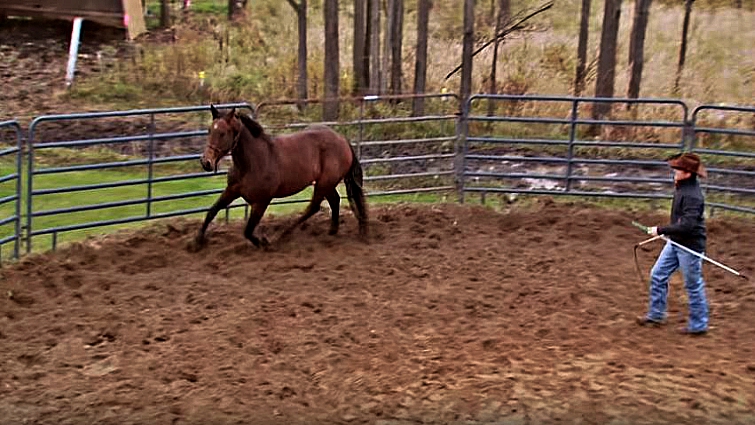
Understanding the Root Cause of Aggression
Before you can effectively train an aggressive horse, you need to understand why the behavior exists in the first place. Aggression typically stems from fear, pain, poor handling, or inadequate training—not from a “bad” horse. With patience and the right methodology, almost any horse can become a calm, willing partner.

Learn from the Experts
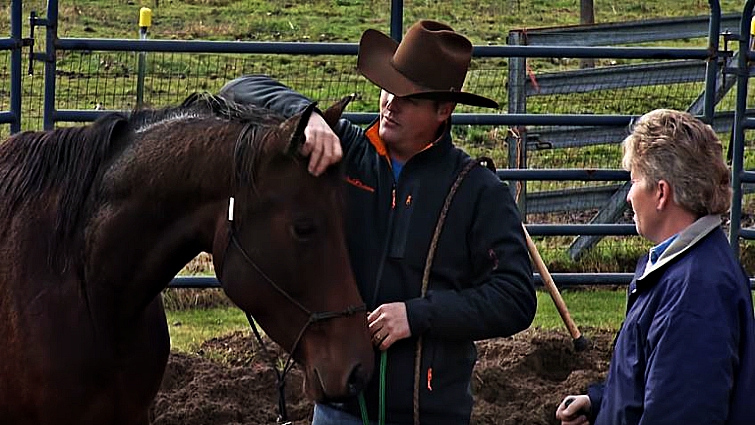
Clinton Anderson, a renowned equestrian clinician, trainer, and competitor, has dedicated his career to helping horse owners achieve their horsemanship dreams through ethical, effective methods. His Downunder Horsemanship Method provides proven strategies for transforming aggressive horses into confident, consistent, and willing partners.
Anderson’s approach focuses on clear communication, consistency, and respect—building trust rather than breaking spirits. This philosophy has helped countless owners successfully rehabilitate horses that others deemed “hopeless.”
Watch Clinton Anderson’s Expert Training Video
In the video below, you’ll discover practical, step-by-step techniques for addressing aggressive behavior in horses. Whether you’re a beginner or experienced rider, you’ll gain valuable insights that can transform your horsemanship journey:
Key Takeaways for Training Aggressive Horses
- Never resort to punishment or abuse—it creates more problems than it solves
- Identify the root cause of the aggression (fear, pain, or poor training)
- Use consistent, clear communication to establish trust
- Follow proven methods like the Downunder Horsemanship Method
- Be patient—changing behavior takes time and dedication
- Seek professional help if you’re unsure of your ability to safely handle the horse
Share Your Knowledge
If you found this information helpful, please share it with fellow horse enthusiasts and trainers who might be struggling with an aggressive horse. Together, we can promote humane, effective training methods and build a community where every horse—no matter their past—has the opportunity to become a confident, well-adjusted partner.
Have you successfully worked with an aggressive horse? Share your experience in the comments below—your story might inspire someone facing a similar challenge!