

For over 5,000 years, horses and humans have shared a remarkable bond that has shaped civilization itself. Any true equestrian knows that horses are incredibly perceptive animals—they communicate through body language and facial expressions with each other, other animals, and people. But here’s the fascinating question: Can horses actually read our emotions? A groundbreaking 2016 study finally provides the answer.
The Groundbreaking University of Sussex Study
Researchers from the University of Sussex decided to investigate what horse lovers have suspected all along. Their study, titled “Functionally Relevant Responses to Human Facial Expressions of Emotion in the Domestic Horse (Equus caballus),” was published in Biology Letters by The Royal Society Publishing. The findings? Absolutely remarkable.

How the Experiment Worked
The research team tested 28 horses—21 geldings and 5 mares ranging from 4 to 23 years old. Each horse was shown two photographs of the same unfamiliar man. In the first image, he had a friendly, smiling expression. In the second, his face displayed an angry look with deeply furrowed brows.
While the horses viewed each photo, researchers carefully measured three key metrics:
- Viewing time: How long each horse gazed at each photo
- Heart rate: Changes in cardiovascular response while viewing the images
- Eye preference: Which eye the horses used to examine each facial expression
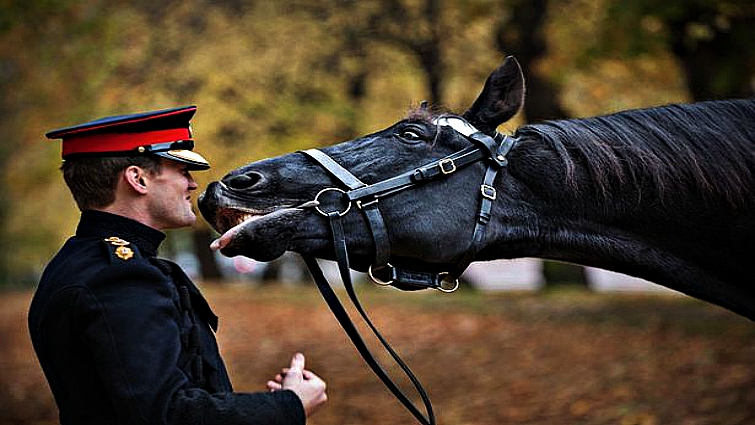
The Remarkable Results
The results confirmed what equestrians have long believed: horses absolutely can distinguish between positive and negative human emotions. Here’s what the data showed:
Spending More Time on Angry Faces: Horses spent significantly more time looking at the angry photograph than the smiling one. This behavior suggests that horses recognized the angry expression as potentially threatening and required closer attention.
Heart Rate Elevation: When viewing the angry face, the horses’ heart rates increased noticeably. This physiological response indicates genuine stress and emotional awareness—horses understood that the negative expression warranted concern.
Left Eye Preference: Most horses predominantly used their left eye when viewing the angry photo, but showed no preference when looking at the happy image. This fascinating detail mirrors similar behavior observed in dogs and reveals how horse brains process emotional information.

Understanding the Brain Connection
This eye preference behavior tells us something important about how horses process emotions. Like many animals, equine brains are divided into two hemispheres. The right hemisphere controls the left eye, and this side is typically responsible for processing emotional information. When horses instinctively use their left eye to examine a threatening expression, they’re literally engaging the emotional processing center of their brain.

What This Means for Horse Lovers
This research validates what experienced equestrians have always known: horses are incredibly emotionally intelligent animals. They don’t just sense our moods through body language and tone of voice—they can literally read our facial expressions and remember them. This ability likely evolved as a survival mechanism over millennia of living alongside humans.
The implications are profound. It explains why horses seem to know when we’re stressed, angry, or anxious. It reveals why calm, positive energy around horses leads to better training results and safer interactions. Your equine partner truly understands your emotional state.

The Bottom Line
Science has now confirmed what horse enthusiasts have long suspected: our equine companions are far more emotionally perceptive than we ever realized. The next time you approach your horse, remember that he or she is reading not just your body language, but your actual facial expression. Bring your best self to the barn—your horse will thank you for it.
This remarkable ability underscores the deep, meaningful connection between horses and humans that has endured for thousands of years. It’s just another reason why we love these incredible animals so much.