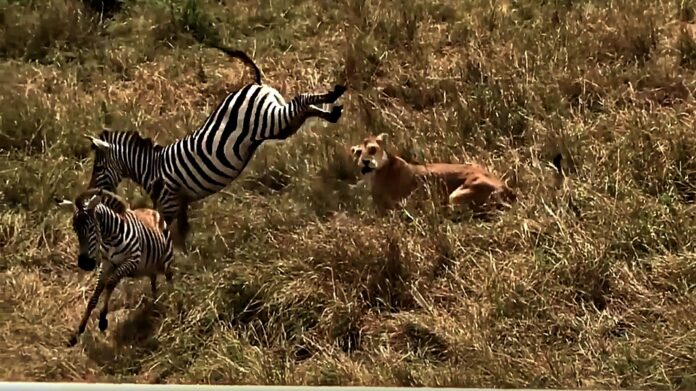

Zebras are some of the most fiercely protective animals in the African savanna, especially when it comes to safeguarding their young. These hardy, aggressive equines possess strong character traits that help them thrive in one of Earth’s most challenging environments. From scorching droughts to relentless heat, zebras are built for survival—and they pass these survival instincts down to every foal born into their herds.
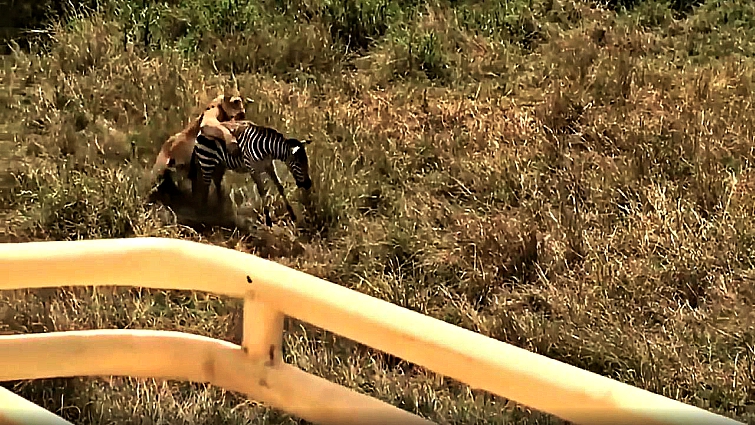
When a zebra foal enters the world, the odds are stacked against it. The savanna is filled with hungry predators and harsh conditions that test every ounce of the young animal’s resilience. That’s why survival to adulthood represents one of the greatest challenges in a zebra’s life. Every parent and herd member takes responsibility for protecting foals, creating a tight-knit community dedicated to defense against predators and other dangers.
How Zebras Survive and Thrive
Zebra herds have evolved remarkable survival strategies over generations. Here are the key tactics that keep their young safe:
1. Vigilant Sleep Rotations
Zebras never let their guard down, even during rest. These animals sleep in shifts, ensuring that at least some members of the herd stay alert and watchful. With exceptional eyesight that works both day and night, zebras can spot danger from surprising distances. The moment trouble appears on the horizon, the entire herd springs into action, ready to flee to safety.
2. Nature’s Perfect Camouflage
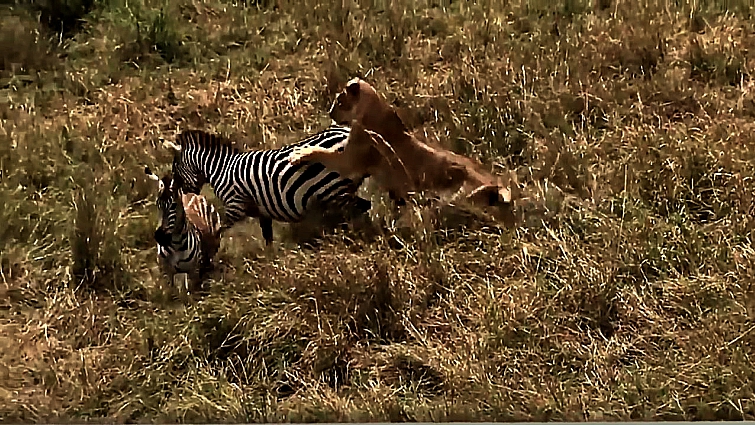
Those iconic black and white stripes aren’t just for show! Zebras face constant threats from lions, hyenas, wild dogs, and leopards—but their stripes provide essential camouflage on the savanna. Here’s the clever part: many of these predators are colorblind. Instead of seeing individual zebras, they perceive a confusing mass of movement. This optical illusion makes it harder for predators to target a single animal, especially a vulnerable foal surrounded by protective adults.
3. Powerful Defensive Kicks
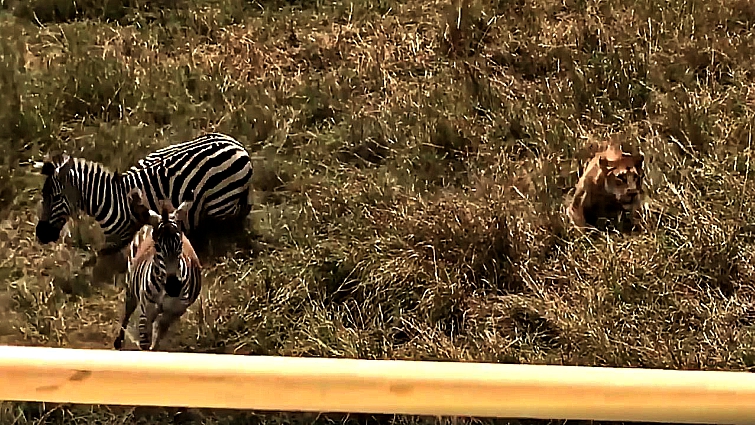
When escape isn’t an option, zebras become formidable fighters. Cornered mares will defend their foals with devastating kicks that can seriously injure—or even incapacitate—a predator. It’s not just biological mothers who step into protective roles either. In cases where a foal becomes separated from its dam, other mares in the herd will rush to the youngster’s aid, fighting off threats with the same fierce determination they’d show their own offspring.
The Power of Herd Mentality
What truly sets zebras apart is their unwavering commitment to communal care. Each herd member understands that protecting one foal means ensuring the survival of the entire species. This collective responsibility transforms a group of animals into an unstoppable protective force, where every adult is ready to defend the next generation against any threat.
The bond between mother zebras and their foals is one of nature’s most inspiring survival stories—a testament to the lengths these remarkable animals will go to protect their young in one of Africa’s most unforgiving landscapes.