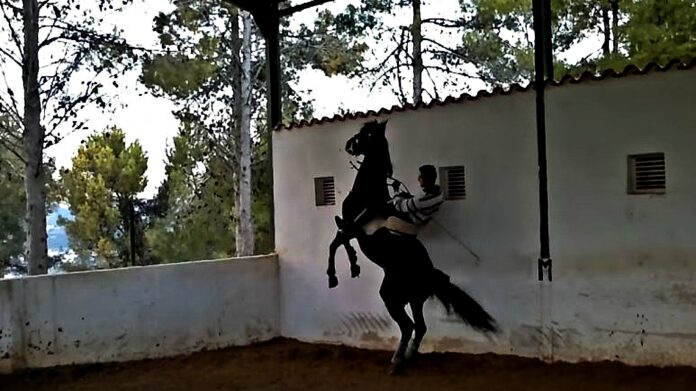

The Menorquin Horse: A Rare Breed with Ancient Roots
The Menorquín is a distinctive horse breed originating from the island of Menorca in Spain’s Balearic Islands. While officially recognized and registered in 1989, making it relatively young compared to other established breeds, the Menorquin’s connection to its homeland runs remarkably deep—centuries deeper, in fact.
Roman historian Pliny the Elder documented these impressive animals way back in the first century AD, proving that Menorcans have cherished this breed for nearly 2,000 years. The bond between the island’s people and their horses has always been profound, with these animals playing crucial roles in traditional cattle herding and agricultural work throughout Menorca’s history.
Understanding Menorquin Heritage and Bloodlines
While the exact ancestry of Menorquins remains somewhat mysterious, equine experts believe the breed developed through careful crossing of three renowned bloodlines: the English Thoroughbred, Andalusian, and Arabian horses. This fascinating blend has created a horse with exceptional qualities.
Owners and trainers consistently describe Menorquins as cheerful, intelligent, and remarkably dedicated to their work. These aren’t just working animals—they’re partners with genuine personality and commitment.
From Crisis to Conservation
The breed faced a serious crisis in 2011 when its population plummeted dramatically. Fortunately, the Menorquin is now officially recognized as an endangered breed, attracting conservation efforts and renewed interest from equestrians worldwide. This status has helped raise awareness and encourage breeding programs to preserve this unique heritage.
Doma Menorquina: A Traditional Art Form Under Scrutiny
Menorquins are inextricably linked to Doma Menorquina, a classical riding tradition unique to Menorca. This distinctive style blends classical dressage principles with movements and techniques developed over centuries on the island. It represents the cultural identity of Menorcan horsemanship.
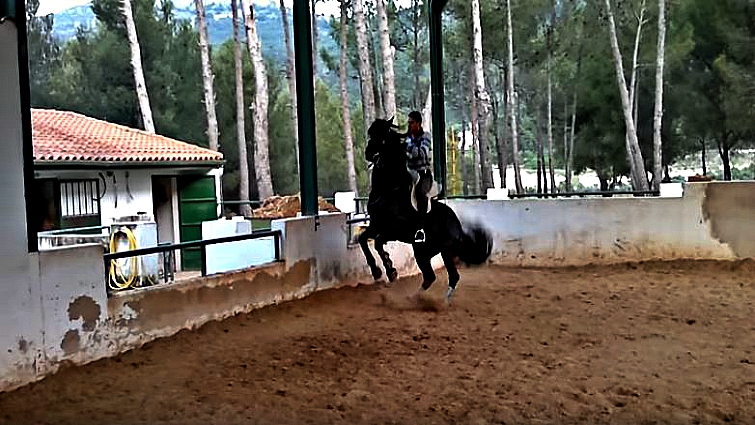
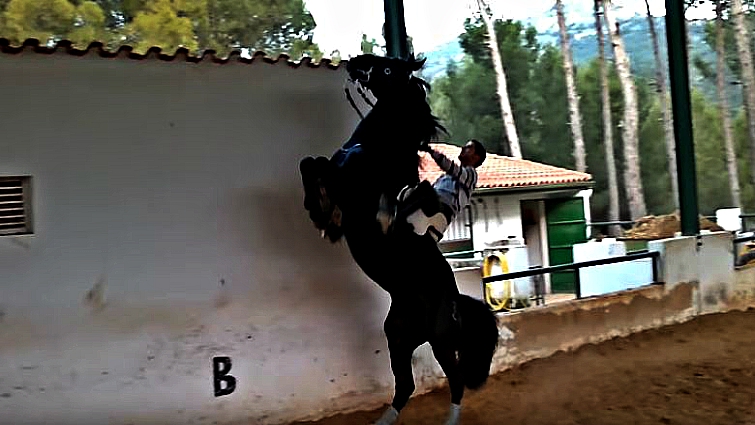
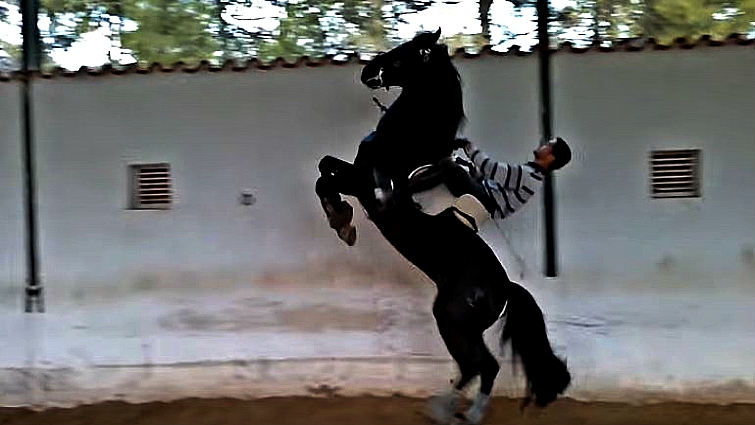
The video below showcases a Menorquin performance that has generated significant attention and sparked passionate debate within the equestrian community:
The Great Debate: Art vs. Animal Welfare
This performance has divided the equestrian world. Passionate supporters argue that Menorquins are specifically trained for these movements through positive reinforcement and classical methods, viewing Doma Menorquina as a legitimate equestrian art form rooted in centuries of tradition. For them, it represents the pinnacle of horsemanship and cultural heritage.
Critics, however, express concerns about animal welfare, questioning whether certain movements and techniques align with modern animal ethics standards. They argue that some practices, regardless of tradition, warrant closer examination through a contemporary welfare lens.
What Do You Think?
This controversy highlights an ongoing challenge in equestrian sports: balancing cultural traditions with evolving animal welfare standards. Is Doma Menorquina a beautiful expression of classical horsemanship and cultural pride, or does it raise legitimate welfare concerns that need addressing?
We’d love to hear your perspective! Whether you’re a dressage enthusiast, a Menorquin breed advocate, or someone passionate about equine welfare, share your thoughts in the comments below. Let’s foster respectful dialogue about this important conversation.