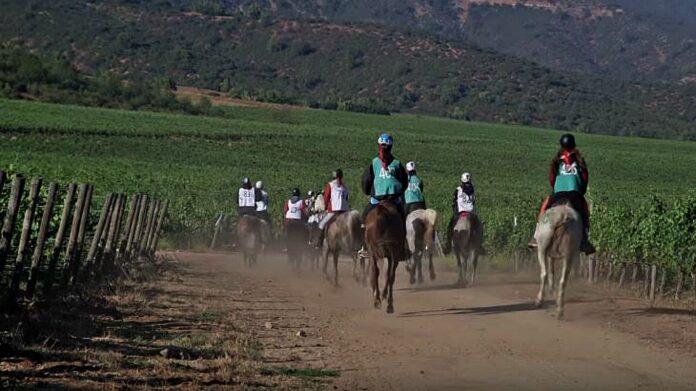

When most people think about horse racing, they picture one thing: pure speed. The fastest horse crosses the finish line first, right? Well, that’s certainly true in short sprint races, but endurance racing tells a completely different story.
In long-distance competition, maintaining top speed throughout the entire race is simply impossible. Your horse will burn out. The real winners in 80-mile endurance races aren’t necessarily the speediest—they’re the best conditioned, most strategically paced, and smartest trained athletes in the field.
The Pedro Pablo Gomez Philosophy: Training Like Professional Athletes
Renowned endurance racing trainer Pedro Pablo Gomez understands this fundamental truth better than most. After spending a decade in Jordan, studying the legendary Arabian horses and their training methods, Gomez developed a philosophy that treats endurance horses as elite athletes deserving of serious conditioning programs.
His approach? “Rest and repair.” It sounds simple, but it’s revolutionary for many riders who think longer training sessions automatically equal better results.
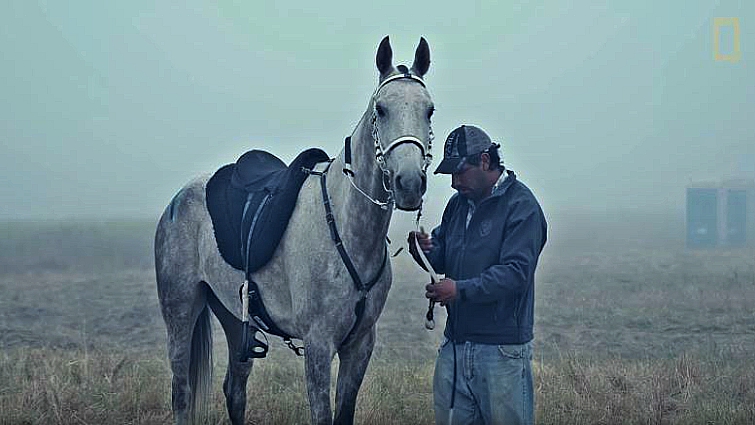
The Golden Balance: Training Intensity vs. Recovery
Here’s where many riders get it wrong: they push their horses hard during training and expect them to perform miracles on race day. But a horse that hasn’t had adequate rest is already exhausted before the competition even begins.
Gomez emphasizes finding the perfect equilibrium between rigorous training and complete recovery. Yes, consistent practice improves your horse’s fitness and stamina. But without proper rest periods, your horse arrives at the starting line already fatigued—and speed means nothing when your animal is running on empty.
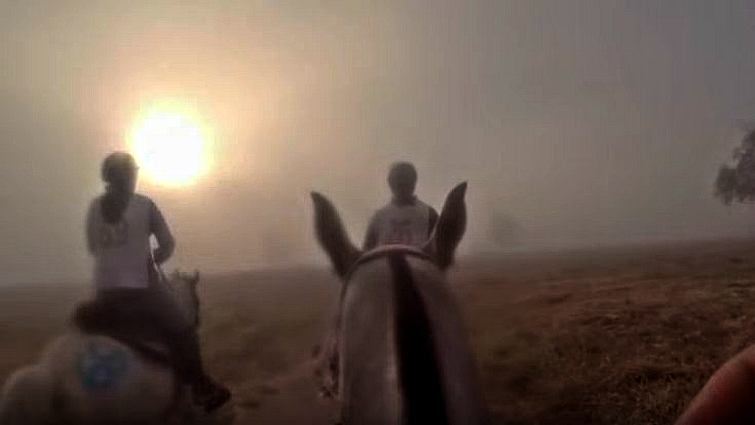
Why Long-Distance Racing Demands a Different Strategy
Endurance racing fundamentally differs from traditional flat racing. An 80-mile race isn’t won by explosive power; it’s won by:
- Consistent pacing – Knowing when to conserve energy
- Mental toughness – Both horse and rider staying focused for hours
- Physical conditioning – Cardiovascular and muscular endurance built through smart training
- Proper recovery – Rest days that allow muscles to rebuild and strengthen
- Nutritional support – Fuel for the long journey ahead
Speed is still important, absolutely. But it’s just one piece of a much larger puzzle. A horse that’s properly trained, well-rested, and strategically ridden will outperform a faster horse that’s been overtrained and under-recovered every single time.
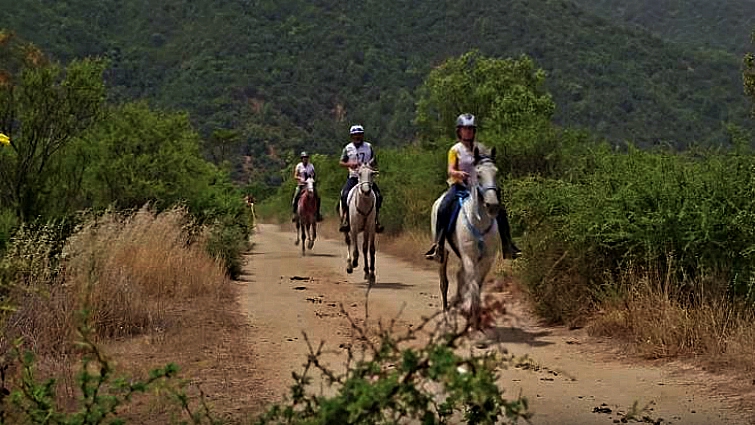
Learn From the Experts
Want to understand more about proper endurance horse training? Watch Pedro Pablo Gomez share his insights and techniques in the video below:
The Takeaway for Endurance Riders
If you’re preparing for an 80-mile endurance race, remember this: speed without conditioning is just a fast burnout. The champions know the secret—train hard, rest harder, and trust your horse’s incredible ability to adapt and improve.
Whether you’re in Jordan learning from Arabian horse traditions or training closer to home, the principles remain the same. Treat your horse like the athlete they are, find that golden balance between work and recovery, and you’ll have every chance of crossing that finish line in the winner’s circle.