
The Hidden Cost of Domestication: What Science Reveals About Horse Genetics
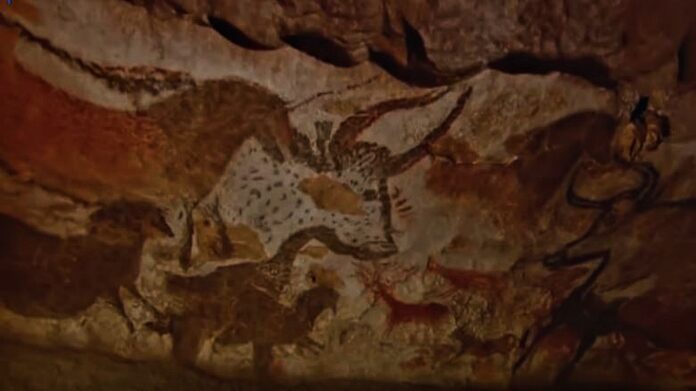
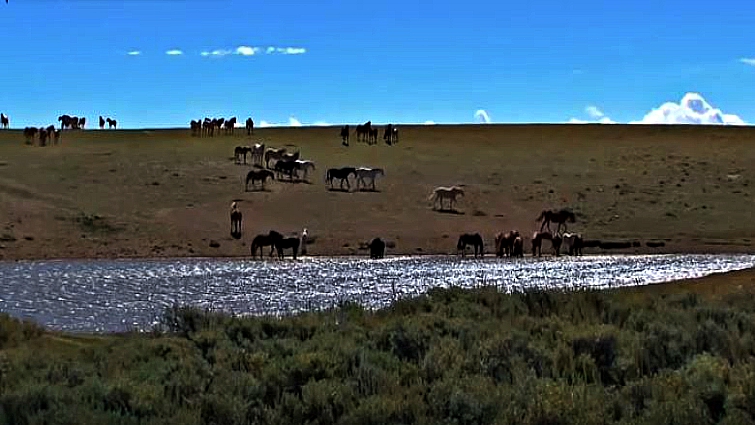
For thousands of years, horses roamed wild across the steppes of Mongolia, Kazakhstan, and Russia. But everything changed when ancient humans discovered their potential. What started as a practical solution for transportation evolved into one of history’s most significant animal domestications—and according to recent research, it came with some unexpected genetic consequences.
From Wild Stallions to Domesticated Partners
Before the automobile era, horses were humanity’s most reliable mode of transportation. For nearly two millennia, these magnificent creatures carried us across continents, powered our economies, and shaped civilizations. Without motorized vehicles, horses were irreplaceable—the ultimate animal partner for travel, trade, and warfare.
But this relationship between humans and horses didn’t come without cost. The transition from wild freedom to domestication fundamentally altered what horses became.
Evolution in Action: How Domestication Changed Horse DNA
Darwin’s theory of evolution teaches us that physical adaptations follow environmental changes. When an animal’s habitat and lifestyle shift dramatically, their biology adapts—and sometimes, so does their DNA.
Horses experienced exactly this transformation. A groundbreaking study by genetic researchers examined the molecular blueprint of domesticated horses and compared it to their wild ancestors. The results were striking: human-driven selection and breeding practices left unmistakable fingerprints on equine genetics.
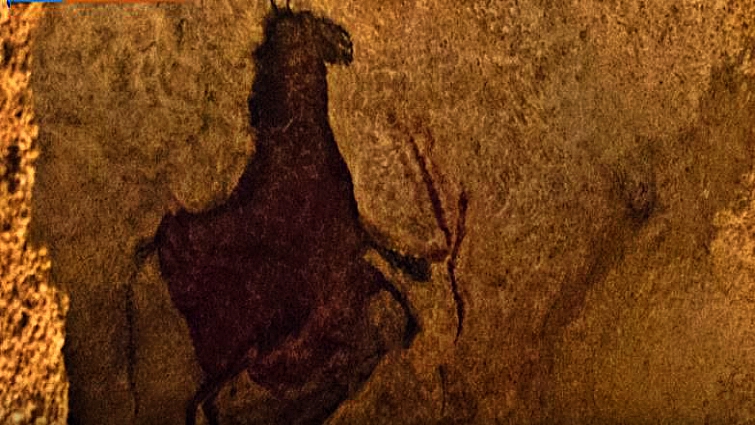
These genetic changes weren’t random mutations—they were the direct result of human manipulation through selective breeding. Farmers and breeders chose horses with specific traits: strength for hauling, speed for riding, and temperament for work. Over generations, these choices rewired the equine genome.
The Physical Transformation of Modern Horses
Just as different human populations adapted to their geographic regions, domesticated horses developed distinct characteristics from their wild counterparts. Their skeletal structure, coat colors, size, and behavior all shifted under human influence.
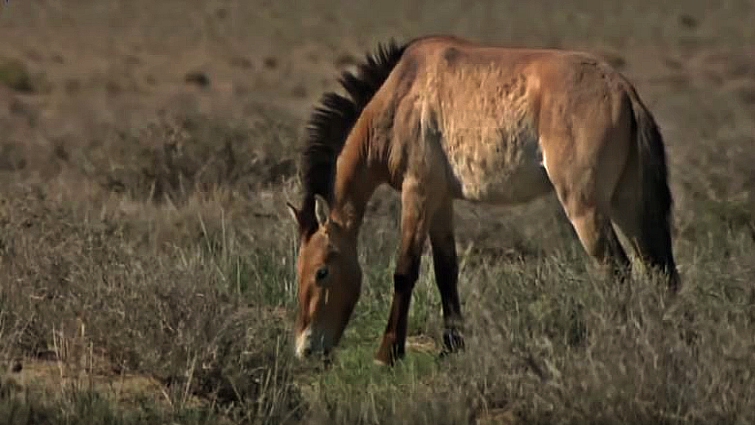
Some changes were beneficial—stronger builds for heavy work, improved docility for handling. Other alterations created new vulnerabilities, affecting everything from disease resistance to reproductive success.
Understanding the Science Behind the Changes
Want to dive deeper into how domestication shaped modern horse genetics? This fascinating video explains the molecular science behind these transformations:
What This Means for Modern Equestrians
Understanding how domestication shaped horse genetics helps us appreciate the animals we work with today. These changes were inevitable—the price of partnership between two species. As responsible horse owners and riders, recognizing these genetic shifts allows us to better care for our equine companions and support their health and wellbeing.
Whether you’re a competitive rider, a casual enthusiast, or a horse breeder, knowing the science behind your horse’s genetics deepens your connection to these incredible animals. The horses we know and love today are the product of thousands of years of human influence—a testament to our shared history.