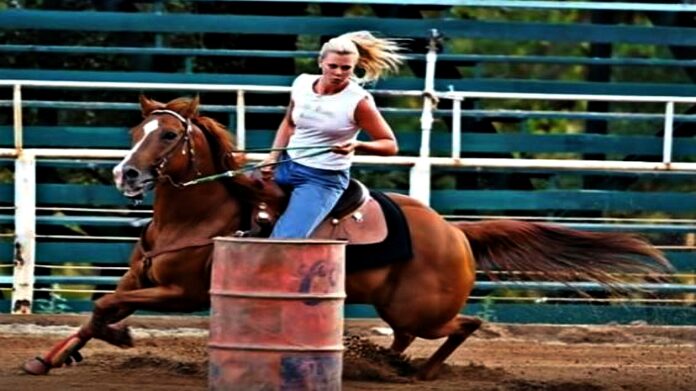

For generations, the bit has been a standard tool in horsemanship. But have you ever wondered what your horse is really telling you when they open their mouth, grab the bit, or place their tongue over it? These behaviors aren’t just quirks—they’re your horse’s way of communicating discomfort.
What Your Horse’s Behavior Is Telling You
When horses feel pressure from a bit on their palate, they immediately develop avoidance strategies. It’s their natural response to pain. Watch for these common signs that your horse is struggling with bit-related discomfort:
- Tongue placement over the bit
- Grabbing or fighting the bit
- Excessive mouth opening
- Tucking the chin to the chest
- General fidgetiness or tension
Rather than addressing these red flags, some riders unfortunately respond by switching to stronger bits or restrictive devices. This approach only compounds the problem, making it even harder for your horse to find relief and function properly under saddle.
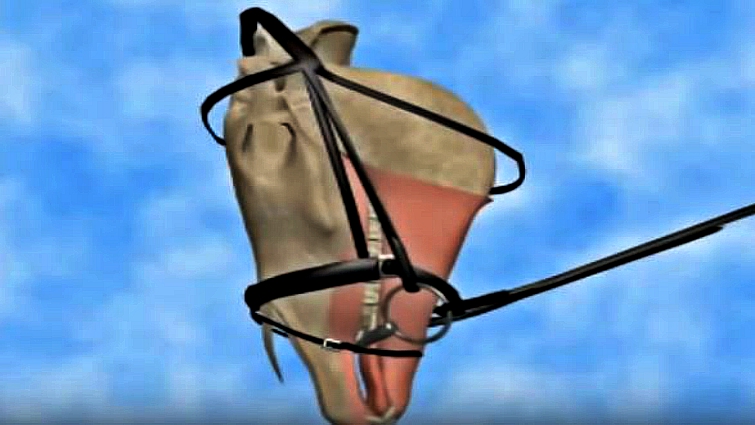
The Truth About “Soft” Bits
Many horse owners believe that with proper technique, bits cause no pain. The reality is more nuanced. Even the softest-looking bit is still a foreign object in your horse’s mouth, and every horse responds differently to it.
While some horses may tolerate bits better than others, research consistently shows that bits create pressure and discomfort in nearly every situation. Often, this happens because riders haven’t received proper training in bit usage and hand communication.
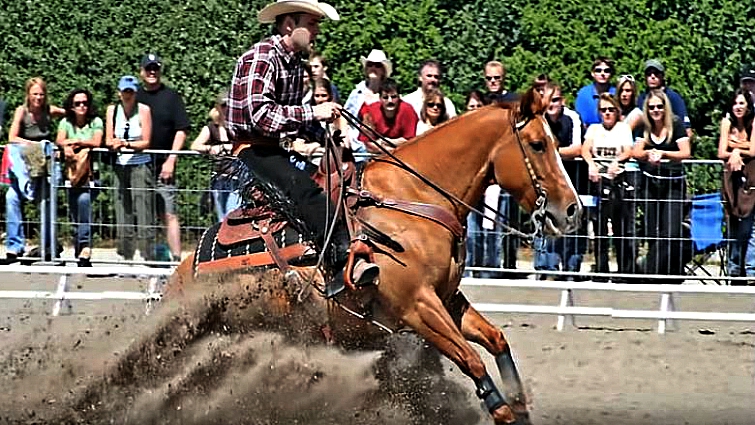
Learning from Research and Experience
The video below demonstrates exactly what happens when a bit contacts a horse’s palate and offers eye-opening examples of how horses react:
One thoughtful horse owner summed up the paradox beautifully: “Nothing says ‘I love my horse’ more than putting metal in their mouths.” This comment captures the disconnect many riders experience—we want the best for our horses, yet traditional equipment sometimes conflicts with what’s actually best for their comfort.
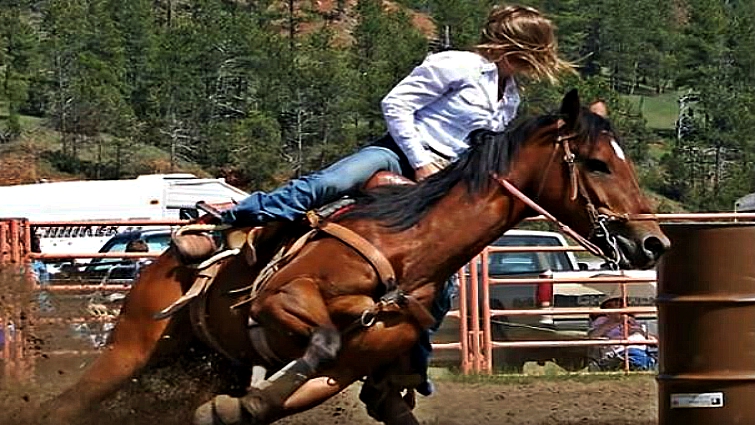
Moving Forward Thoughtfully
If you choose to ride with a bit, understand that it requires exceptional skill, sensitivity, and proper training. Your hands must be educated, and your horse’s feedback must be heard and respected.
For those seeking alternatives, bitless bridles and other equipment options are gaining recognition among equestrians who want to eliminate bit-related discomfort entirely. Whatever path you choose, let your horse’s behavior guide you toward decisions that prioritize their wellbeing and comfort.
Your horse is speaking—are you listening?