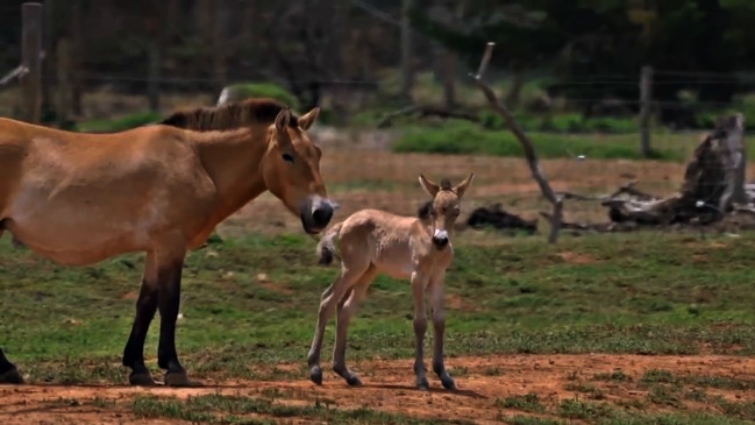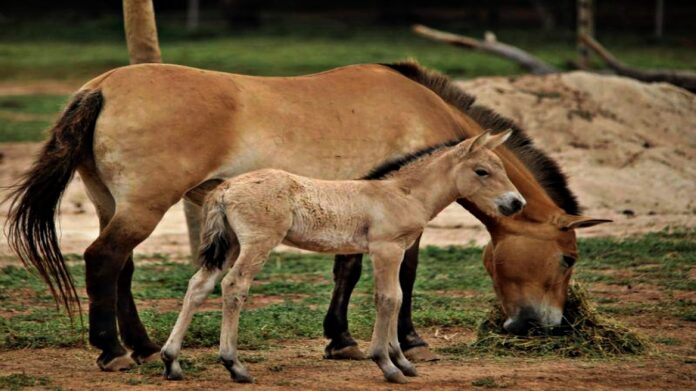

Horse lovers and conservation enthusiasts have reason to celebrate! A remarkable young Przewalski horse has just arrived at his new home in Australia, bringing hope to one of the world’s rarest equine species. If you’ve followed our previous coverage of these magnificent creatures, you’ll know their story is truly inspiring—and this newest arrival adds another beautiful chapter.
Przewalski’s horses, also known as Mongolian wild horses or Asian wild horses, once roamed freely across vast stretches of Europe and Central Asia. Sadly, their numbers plummeted dramatically during the 19th century. By the 1960s, the International Union for Conservation of Nature and Natural Resources declared the species extinct in the wild. It’s a sobering reminder of how fragile our planet’s wildlife can be.
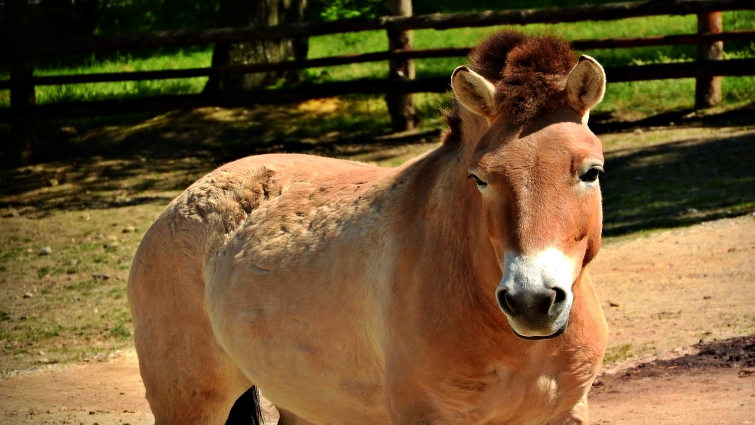
But here’s where the story takes a heartwarming turn. Earlier this year, the Werribee Open Range Zoo in Victoria, Australia welcomed an adorable Przewalski foal that’s already stealing hearts everywhere. His name is Bataar—which means “hero” in Mongolian—and he’s instantly recognizable by his distinctive spiky mane that gives him an irresistibly charming personality.
Bataar is the proud son of Mahan, a mare also residing at the zoo, which sits just 32 kilometers southwest of Melbourne. The Werribee Open Range Zoo is part of Zoos Victoria, a prestigious organization that also operates Melbourne Zoo and Healesville Sanctuary. When Bataar made his grand entrance into the world, the zoo couldn’t resist sharing photos of this exceptional young horse online.
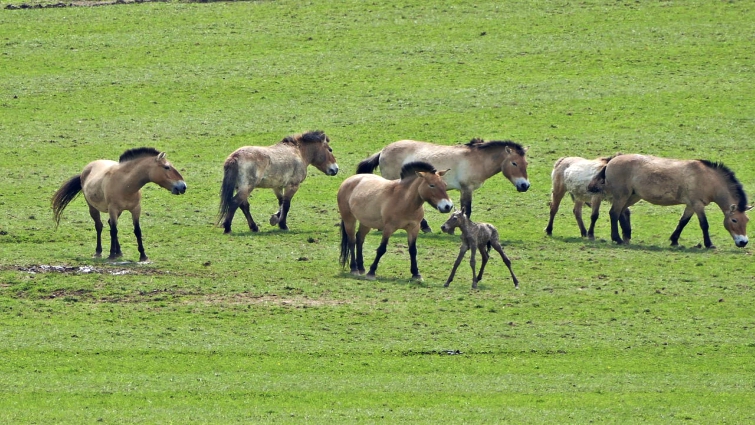
Today, Bataar represents one of only about 2,000 Przewalski horses remaining on Earth—making him incredibly precious to conservation efforts worldwide. “Bataar has got the whole herd taking care of him, so he doesn’t have trouble in the world. He’s becoming stronger and more fearless by the day,” says Linda Gardiner, a dedicated zookeeper at the facility.
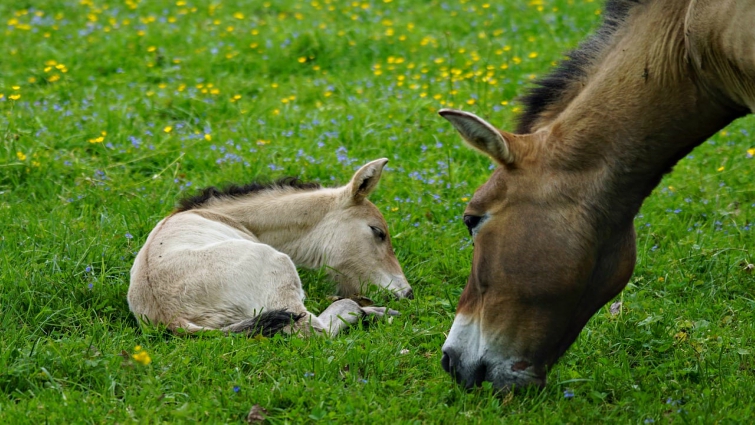
What makes Bataar’s birth so significant is that it demonstrates the power of human conservation efforts. While human interference contributed to the species’ near-extinction, it’s now playing a crucial role in bringing them back from the brink. Bataar is a shining example of the thriving breeding program at Werribee Open Range Zoo—a program dedicated to ensuring these extraordinary horses don’t vanish forever.
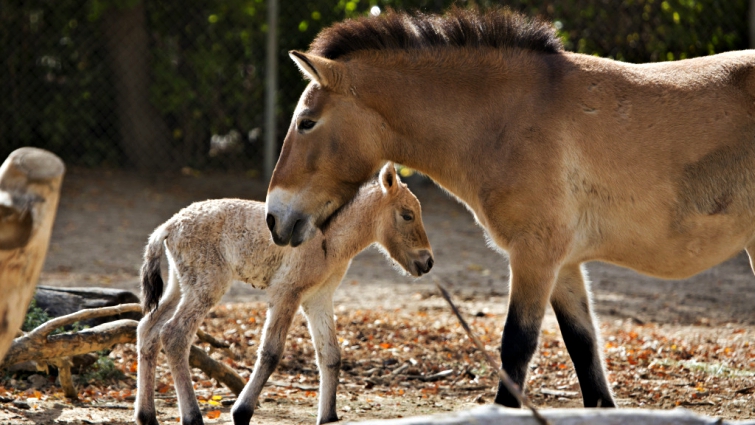
The birth of foals like Bataar gives us hope that with continued dedication, education, and support for conservation programs, we can protect these magnificent Asian wild horses for future generations. Every young Przewalski horse born in captivity represents a victory in the fight against extinction—and Bataar’s arrival at Werribee is absolutely cause for celebration!