
Becoming a horse owner is an exciting journey, but it’s one that requires careful planning and honest self-reflection. Whether you’re a seasoned rider or completely new to horses, mistakes happen to everyone. The key is learning from others’ experiences so you can avoid costly errors and set yourself up for success.
Some of these mistakes can have serious consequences—both for your wallet and for your horse’s wellbeing. That’s why we’ve compiled this essential guide to help first-time buyers navigate the exciting but complex world of horse ownership. Let’s dive into the most common pitfalls and how to sidestep them.
1. Choosing a Horse Based on Looks Alone
We all love a stunning horse. Those perfectly groomed coats, expressive eyes, and athletic builds are irresistible. But here’s the hard truth: appearance should never be your primary selection criteria.
As a first-time owner, your best bet is to choose an older, well-trained horse with a calm temperament. Yes, you might not get your dream horse right away, but you’re getting something far more valuable—a horse you can actually handle and learn from. An experienced, dependable mount will teach you far more than a beautiful but unpredictable youngster ever could.
2. Making an Impulse Purchase
We’ve all experienced that moment: you walk into a stable, see an absolutely magnificent horse, and suddenly you’re signing papers before you’ve had time to think. It happens fast, and it’s usually a mistake.
When emotions take over, you miss critical details. Before buying, carefully evaluate temperament, breed, age, health status, training level, and compatibility with your goals. Walk away, sleep on it, and return for a second viewing if it’s meant to be. A horse purchased impulsively today could become a regret tomorrow.
3. Underestimating the True Cost of Horse Ownership
Yes, horses themselves can range from a few hundred to several thousand dollars. But that purchase price? It’s just the beginning.
The real expenses come after you bring your horse home. Monthly costs include quality feed, hay, farrier services, veterinary care, boarding fees, tack maintenance, and emergency medical expenses. Many first-time owners are shocked to discover that keeping a horse healthy and happy costs far more than they anticipated. Budget generously and be prepared for unexpected veterinary bills—they will come.
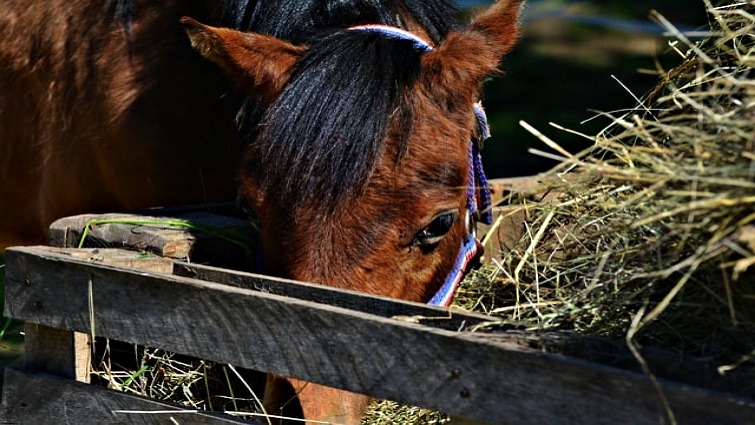
4. Underestimating Your Time Commitment
Horse ownership isn’t a weekend hobby. It’s a daily commitment that often rivals a full-time job.
Your mornings start before sunrise with feeding and barn chores. Grooming, stall cleaning, tack inspection, fence maintenance, and medical care consume hours every single day. Add training and riding on top of that, and you’re looking at significant weekly time investment. If you have a demanding job, family commitments, or an active social life, you need to be honest about whether you can dedicate this much time. Your horse depends on you—you can’t neglect them when life gets busy.
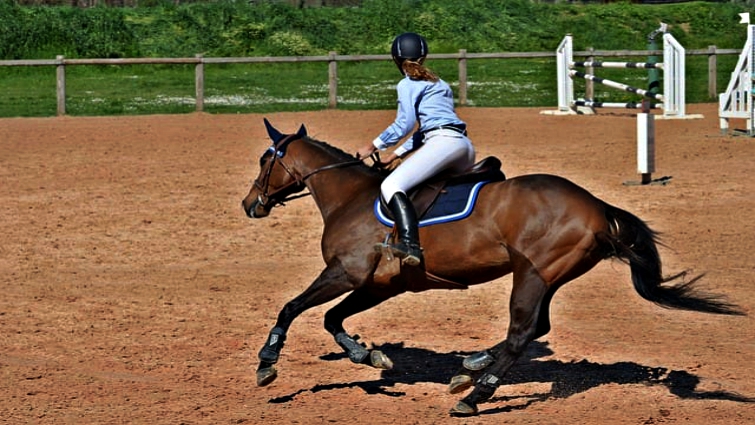
5. Neglecting Safety as a Priority
Horses are powerful animals, and even the gentlest one can injure you unintentionally. Safety must be your foundation, not an afterthought.
Always wear a helmet—no exceptions, no excuses. Learn proper handling techniques, understand equine body language, and respect their space. Take certified riding lessons to build your skills. Invest in quality, well-maintained equipment. Know basic first aid for both horses and humans. The moment you stop taking safety seriously is the moment accidents happen.
6. Skipping Professional Guidance
This is perhaps the most overlooked mistake. Many first-time owners try to navigate horse ownership alone, relying on internet research and well-meaning friends.
Invest in professional help: a good instructor, an equine veterinarian, and experienced mentors. They’ll provide invaluable guidance on training, health, nutrition, and problem-solving. The small investment in professional advice will save you thousands in mistakes and heartbreak.
Setting Yourself Up for Success
Horse ownership can be incredibly rewarding, but only if you approach it with eyes wide open. Take time to research, be honest about your lifestyle and budget, choose a horse you can grow with, and surround yourself with knowledgeable people who can guide you.
Learn from others’ mistakes before they become your own. The effort you invest now in preparation will pay dividends throughout your horse ownership journey. Your future self—and your horse—will thank you.