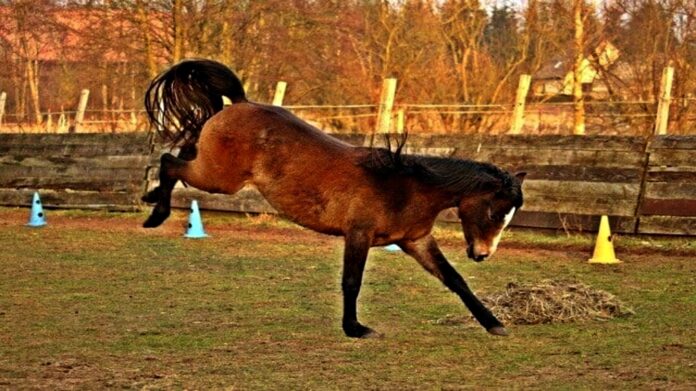

A powerful horse kick can send even the most seasoned rider straight to the hospital—and it’s not something to take lightly. While many equestrians wear their injuries like badges of honor, there’s something far more satisfying about knowing how to prevent them in the first place. The truth is, horses kick for specific reasons: frustration, fear, anxiety, or sometimes just to communicate. While you can’t always prevent every kick, you absolutely can reduce the risk with the right knowledge and preparation. Here are four practical strategies to help you avoid getting kicked and keep yourself safe around your equine partner.
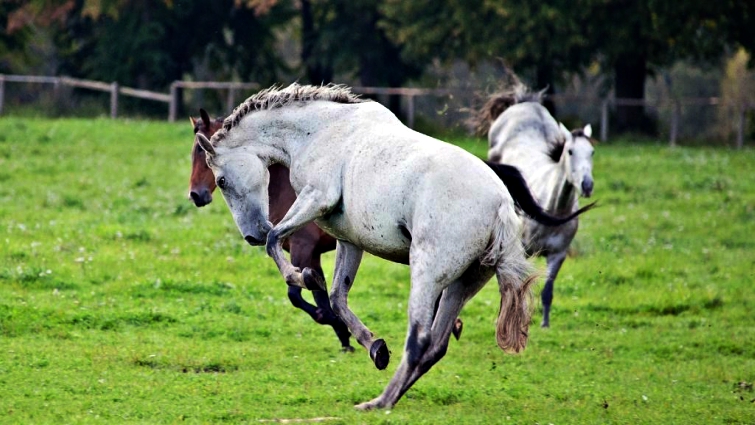
1. Give Them Personal Space During Feeding Time
Food brings out the competitive side in horses, and that excitement can quickly escalate into aggression. When horses are fed in close proximity to other horses, resource guarding kicks into high gear—literally. If your horse is eating near others, you’re setting yourself up for danger as they fight for dominance over their meal. The solution? Feed your horses separately whenever possible. Give each one their own space and feeding area away from other horses. This simple change removes the trigger for food-related aggression and keeps everyone safer, including you.
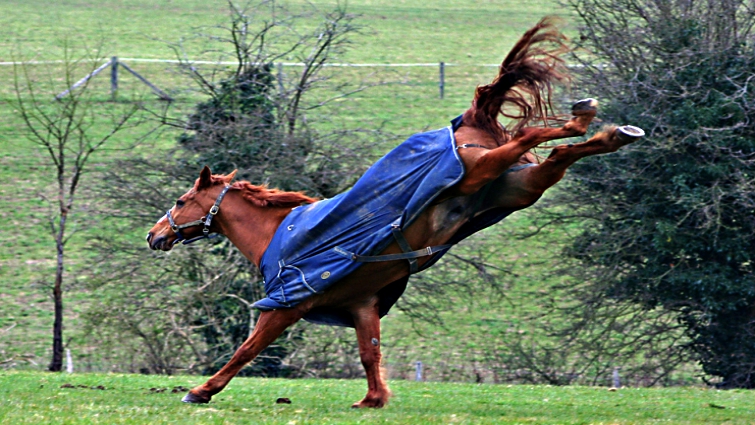
2. Master Your Horse’s Body Language
Here’s the reality: your horse is always trying to communicate with you. A kick is never random—it’s their final warning after countless subtle messages you might have missed. Your horse can’t speak words, but they speak fluently through body language. Pinned ears, tail swishing, tense muscles, weight shifting, and a rigid posture are all red flags telling you to back off.
Learn to read these signs and respect them. If you notice your horse displaying these warning signals, stop what you’re doing immediately and create distance. Being fluent in equine body language is like having a direct hotline to your horse’s emotional state. It’s the only language you both truly share, and mastering it could save you from injury.
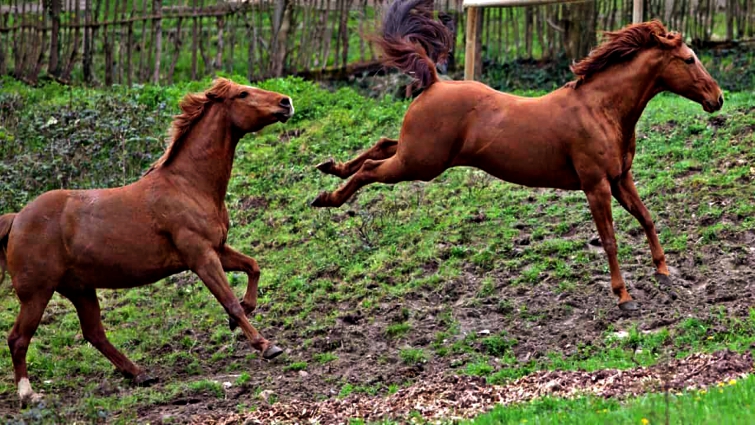
3. Invest in Desensitization Training
Desensitization is all about building trust and familiarity. When you consistently work with your horse—handling their legs, hooves, belly, and other sensitive areas—you’re teaching them that your touch means safety, not pain. Many horses kick defensively because they’re anxious about being touched in vulnerable spots. They’ve learned to associate handling with discomfort or fear.
Change that narrative through patient, consistent desensitization work. Spend time grooming, picking hooves, and gently handling areas that trigger anxiety. Reward calm behavior with treats and praise. Over time, your horse learns that you’re not a threat. This foundation of trust dramatically reduces the likelihood of defensive kicks and creates a stronger bond between you and your partner.
4. Navigate Group Situations with Awareness
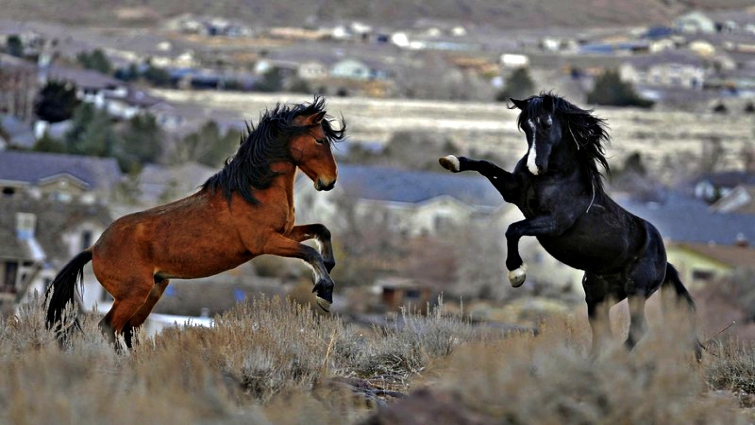
When multiple horses are together—whether tied, in pasture, or in a paddock—herd dynamics come into play. Horses kick each other to establish hierarchy, express frustration, and manage stress. As a handler, you can easily get caught in the crossfire of these interactions. One moment you’re walking between two horses, and the next, you’re on the receiving end of a kick meant for another horse.
Your safety rules for group settings: Never walk directly between tied horses, even if they seem calm. Be constantly aware of your surroundings when moving among free-roaming horses. Position yourself where you have an escape route. Watch for tension building between horses—stiff postures, direct stares, and ear pinning often precede kicks. When in doubt, move away and give the herd space to work out their dynamics without your interference.
The Bottom Line
Preventing horse kicks comes down to three core principles: understanding your horse’s individual needs, respecting their communication, and building a relationship based on trust. Horses are naturally inclined to avoid conflict—they’d rather run than fight. When they kick, they’re telling you something important. Your job is to listen, learn their language, and create an environment where kicking becomes unnecessary.
Whether you’re a novice rider or a seasoned equestrian, these four strategies will help you navigate your horse’s behavior with confidence and keep yourself safe. Remember, the goal isn’t just to survive an encounter with your horse—it’s to create a partnership where both of you feel secure and respected.