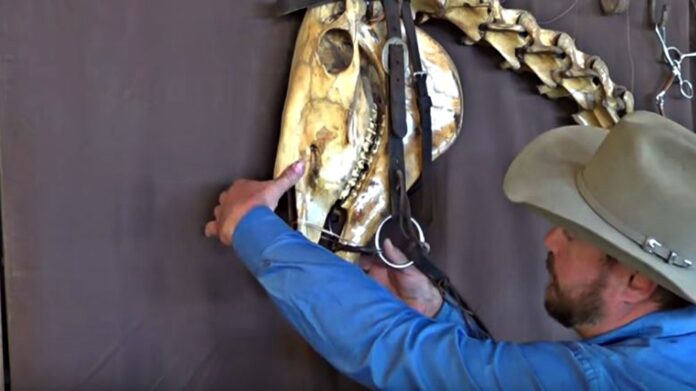

Horses are undeniably among the most beautiful creatures on Earth. There’s simply no comparison to the grace and elegance you witness when seeing one in person. Throughout history, horses have evolved alongside humans, fundamentally shaping our society—especially as the primary means of transportation for centuries. Today, understanding equine anatomy remains essential for every rider and horse owner who wants to provide proper care and horsemanship.
Why Horse Anatomy Matters
Each part of a horse’s body plays a vital role in its movement, health, and performance. Whether you’re a competitive rider, weekend enthusiast, or casual caretaker, knowing equine anatomy helps you:
- Recognize signs of injury or discomfort
- Improve your riding technique and balance
- Communicate more effectively with your horse
- Develop better training methods
- Make informed decisions about equipment and care
Understanding Your Horse’s Head
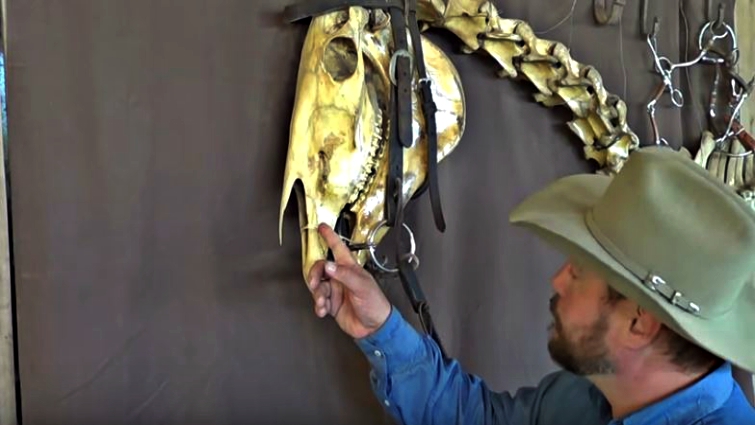
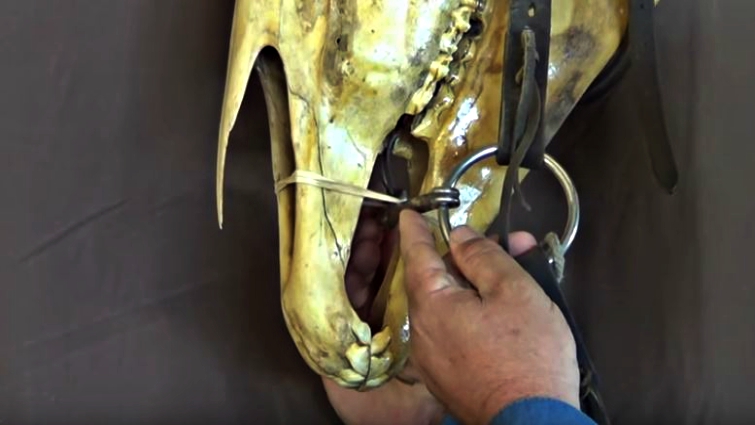
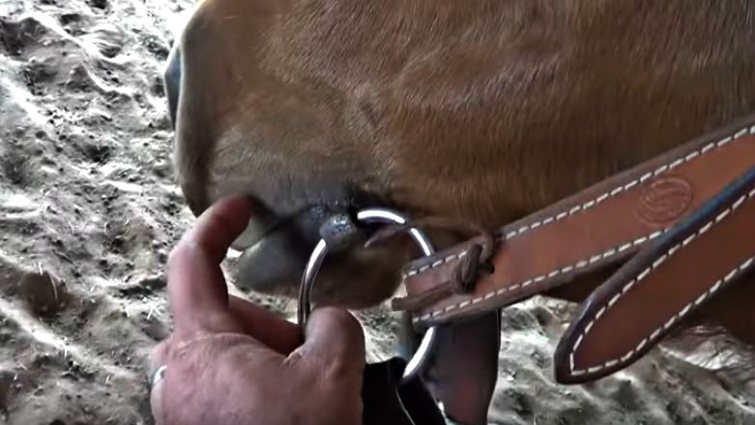
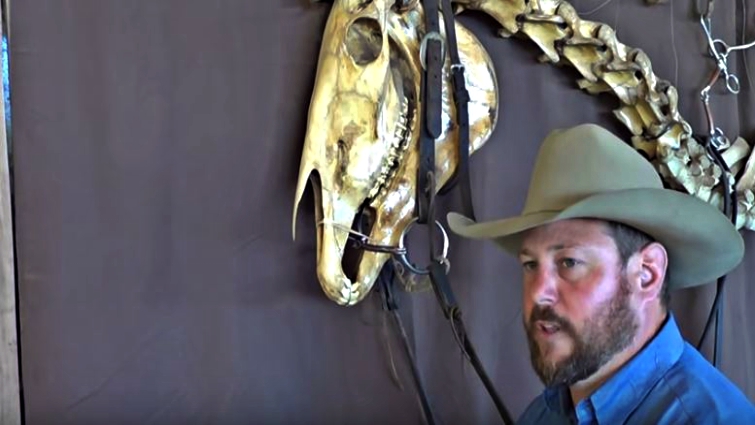
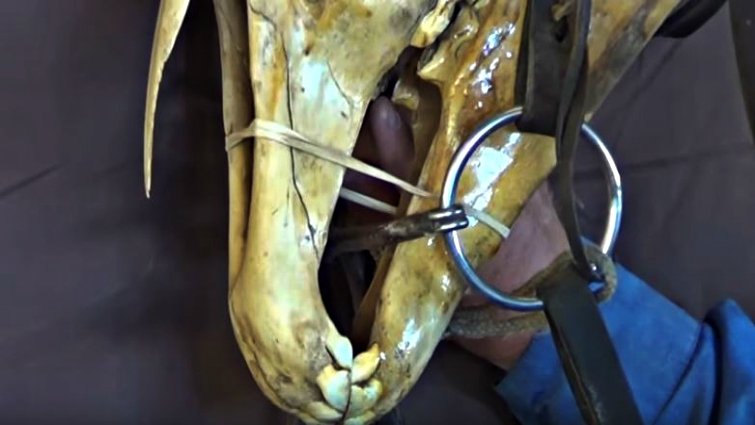
The horse’s head is a complex structure with many sensitive areas. Expert equestrian Daniel Dauphin breaks down the meaningful points of equine head anatomy in this informative video:
The Bit Debate: Training Over Tools
One crucial aspect of horsemanship deserves special attention: the use of bits. While many traditional riders insist that bits are necessary for control, I believe this perspective misses the bigger picture.
The truth is, proper training trumps equipment every time. A horse that stops or responds because it’s been taught to do so is far more reliable—and happier—than one forced into compliance by a bit. Bits can be harsh instruments that sometimes encourage the very aggressive behaviors riders are trying to prevent.
Consider this: if your horse only responds because of a bit, what happens when that tool isn’t in place? True horsemanship means teaching your horse correct behavior and building a partnership based on trust and clear communication. That’s the foundation of ethical, effective riding.
Take Your Learning Further
The video by Daniel Dauphin is absolutely worth watching if you want to deepen your understanding of equine anatomy. His clear explanations and visual demonstrations make complex anatomical concepts accessible to riders of all levels.
Have your own perspective on bit use or equine anatomy? We’d love to hear your thoughts in the comments below. If you found this information valuable, please share it with fellow horse enthusiasts in your network. Knowledge shared is knowledge multiplied!