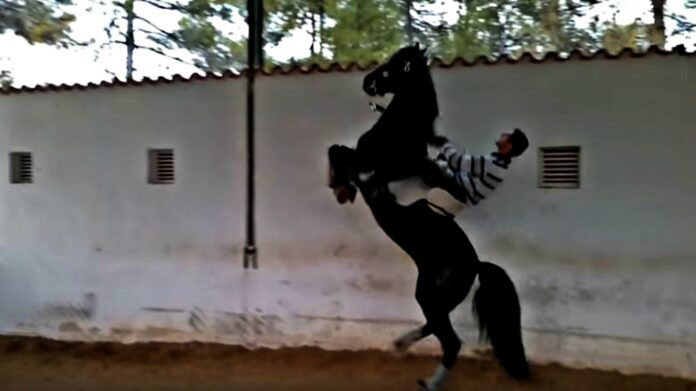

Among the 60 million horses in the world, only a select few achieve fame through extraordinary talents that leave us speechless. These remarkable equines captivate audiences with abilities that seem almost impossible—from clever escape artists to performers mastering advanced dressage movements. Just when we think we’ve seen it all, another horse emerges with a skill that challenges our imagination.
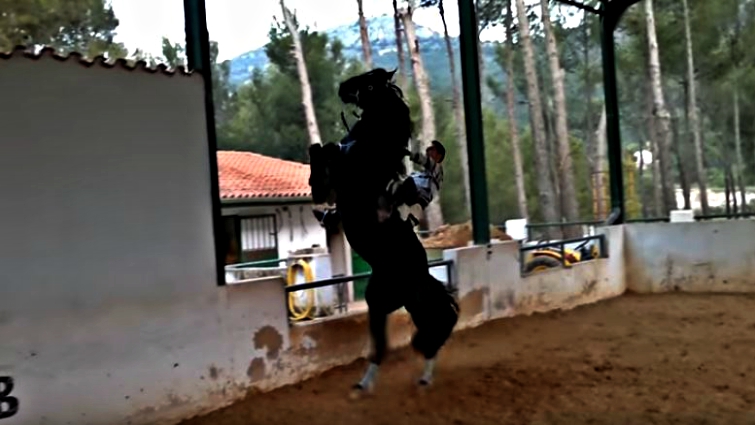
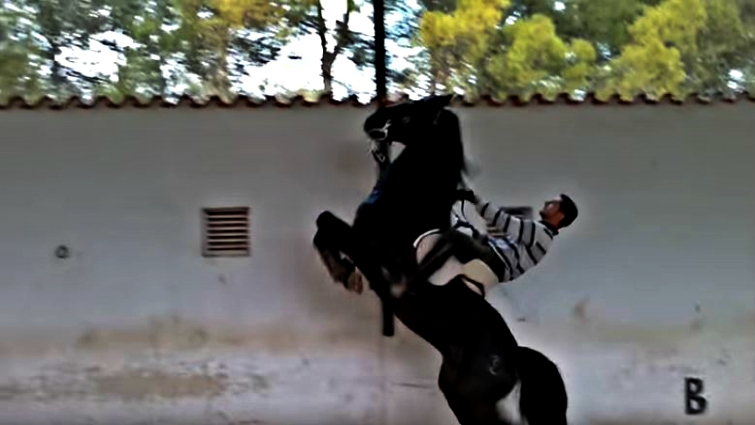
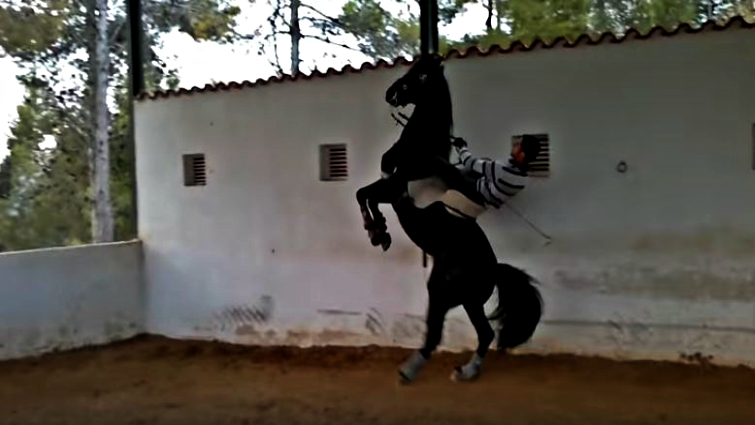
Today, we’re showcasing one of the most impressive feats in equestrian performance: a horse walking effortlessly on just two legs. This isn’t a brief moment of balance—this talented horse maintains the move for approximately 10 seconds, executing it with the grace of a seasoned professional. Whether you’re a casual horse enthusiast or a dedicated equestrian fan, this performance is guaranteed to leave you amazed.
The Training Behind the Talent
Achieving this level of skill requires intensive training and exceptional partnerships between horse and rider. Horses capable of two-legged walking typically come from prestigious equestrian schools or are trained for high-level competition. The dedication, patience, and expertise involved in teaching a horse such an advanced movement is truly remarkable.
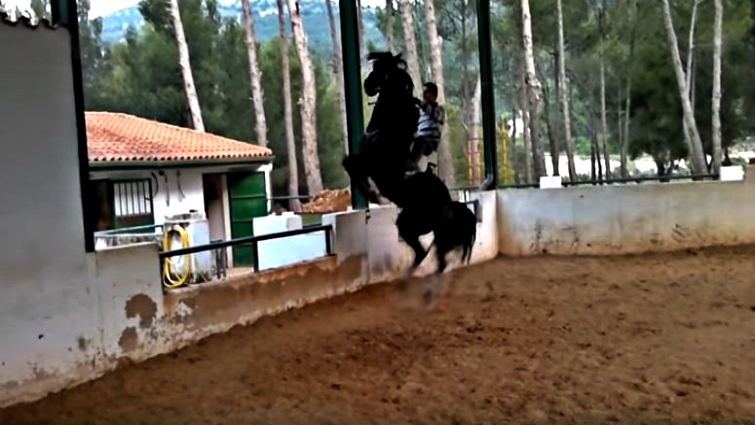
The biomechanics of this movement demonstrate not only the horse’s physical capability but also its trust in the rider’s guidance. Both partners must work in perfect harmony to achieve and maintain this challenging position.
Witnessing the Performance
Check out the incredible video below to see this talented horse in action:
Health Considerations in Advanced Training
While this performance is undeniably impressive, it’s important to address the elephant in the room: is this safe for the horse? There’s ongoing debate within the equestrian community about the long-term effects of such advanced movements. Since horses carry substantial weight, balancing on two legs places significant stress on their musculoskeletal system.
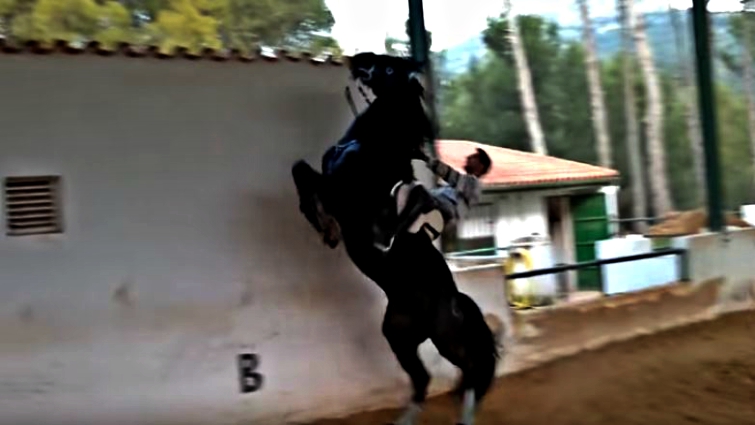
When performed occasionally under expert supervision and with proper conditioning, two-legged walking can be part of a horse’s training regimen. However, frequent repetition could potentially lead to strain or injury. Responsible trainers prioritize their horse’s long-term health and well-being, using such movements sparingly and only with horses specifically conditioned for advanced training.
The Beauty of Equestrian Excellence
This extraordinary performance showcases the incredible bond between horse and rider, and the heights that equestrian training can achieve. The horse’s ability to execute this movement with such apparent ease is a testament to genetics, training excellence, and the athlete’s willingness to push boundaries.
Whether you’re impressed, intrigued, or have concerns about such advanced training, one thing is certain: this horse and rider have achieved something truly special. We’d love to hear your thoughts on this performance! Do you think advanced movements like this should be part of equestrian training? Share your opinions in the comments below—we’re always excited to hear from fellow horse lovers about these fascinating topics.