
Ever caught yourself using horse terminology around non-equestrian friends, only to get confused looks? Welcome to one of the quirks of horse culture! The English language is full of words that sound and look identical, but when you’re an equestrian, they take on entirely different meanings. Let’s dive into eight words that can cause real mix-ups unless you’re talking to a fellow horse person.
1. Bit
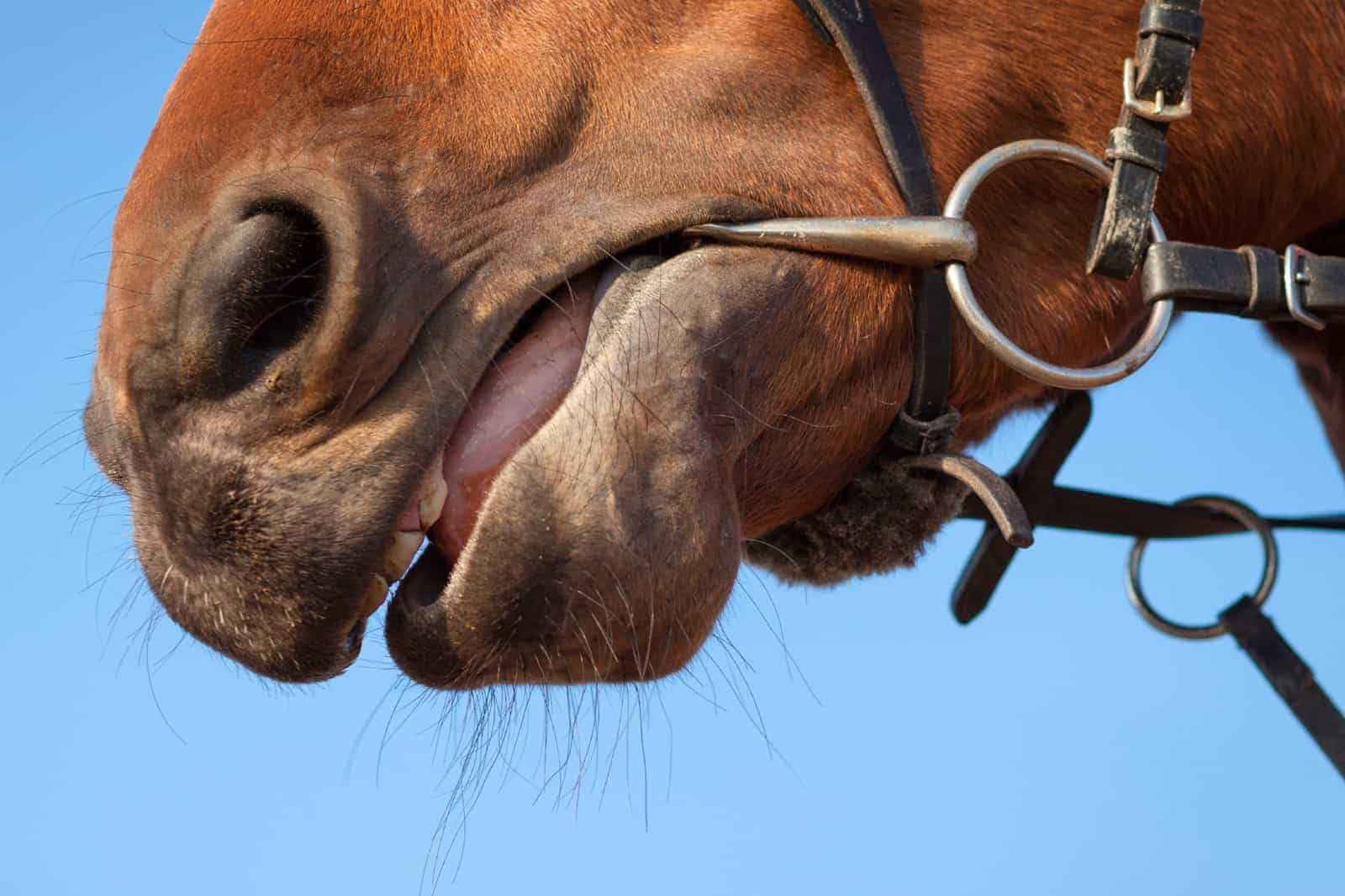
For most people, “bit” means a small piece or portion of something. But in the saddle? A bit is the essential metal piece attached to the bridle that sits in your horse’s mouth, allowing you to communicate directional cues and maintain control. It’s one of the most important pieces of tack in your horse’s equipment arsenal!
2. Girth
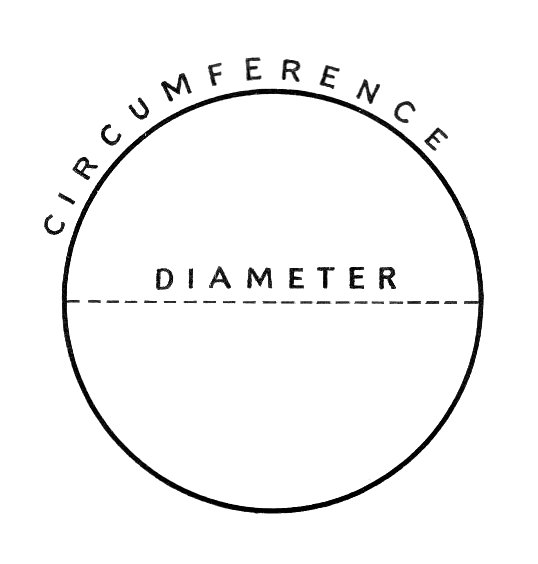
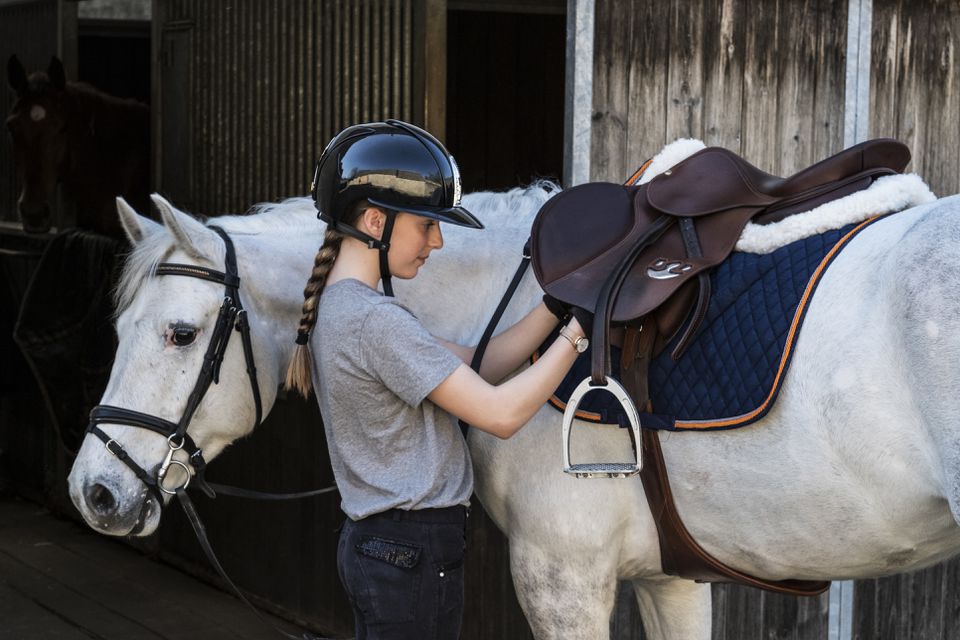
In everyday language, girth describes the measurement around something—essentially its circumference. In the barn, however, the girth is the crucial strap that secures your saddle snugly to your horse’s back. A properly fitted girth is essential for safe, comfortable riding and your horse’s well-being.
3. Chestnut
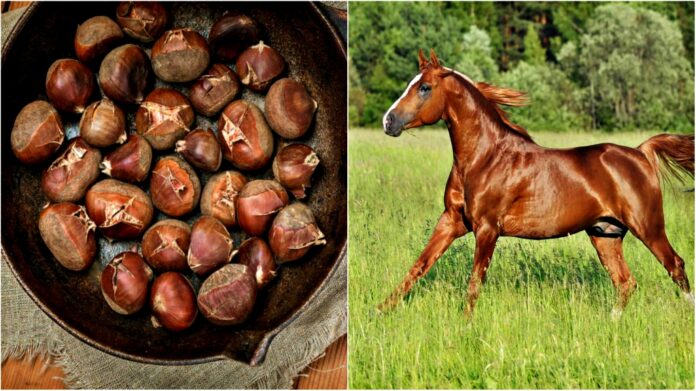
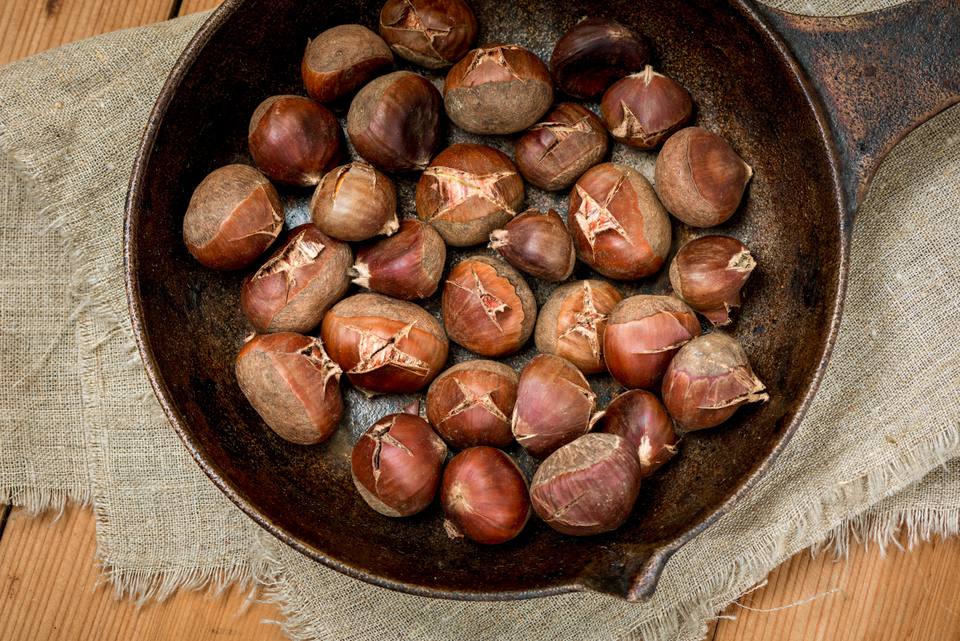
Yes, we’re in chestnut season, and roasted chestnuts with hot wine sound delightful! But equestrians use “chestnut” in two fascinating ways. First, it describes a beautiful reddish-brown coat color with a matching mane and tail—think of the legendary Secretariat. Second, it’s the callous-like marking on the inside of a horse’s legs, believed to be remnants of vestigial toes from evolution. Nature’s branding!
4. Bolt
Most people associate “bolt” with Usain Bolt, the world’s fastest sprinter. In the horse world, a bolt is when a startled horse suddenly takes off running, often without warning. It’s a natural flight response that any rider needs to handle with calm confidence and proper training.
5. Buck
While “buck” typically refers to a large male deer, horse enthusiasts know it as a specific (and sometimes unwelcome!) movement. Bucking is when a horse lowers its head and launches both back feet into the air—a behavior you definitely don’t want when you’re in the saddle, though it’s hilarious to watch foals practice their bucks in the pasture!
6. Cannon
Think of the dramatic cannons you see in pirate movies? Equestrians are talking about something completely different. The cannon bone is the third metacarpal bone on a horse’s leg, sometimes called the shin. Understanding horse anatomy is crucial for recognizing soundness issues and keeping your equine partner healthy.
7. Blaze
A blaze could mean the flames roaring in a fireplace to most people. For horse lovers, a blaze is that distinctive large white marking prominently displayed on a horse’s face. Blazes are one of many beautiful facial markings that make each horse unique and help identify them in the barn.
8. Grade
In school, your grade is that letter or number representing your academic progress at different levels. In the equestrian world, a grade horse is one of indeterminate breeding—a horse without registered pedigree papers. Grade horses can be absolutely wonderful riding partners and often make dedicated, loyal companions.
Did We Miss Any?
Did you know all eight of these words had double meanings? We’re willing to bet there are even more terms that trip up non-horse people! The equestrian vocabulary is rich and full of surprising definitions that make sense only once you’ve spent time in the saddle and around the barn.
Keep your eyes peeled for Part 2—we’re rounding up even more equestrian terms that mean something completely different to those of us who live and breathe horses!