
There’s nothing quite like witnessing the miracle of a foal’s birth in the equestrian world. From the moment those long legs hit the ground for the first time, these precious bundles of energy capture our hearts in ways that few things can. If you’re a horse lover, you know exactly what we mean—watching a newborn foal take those first wobbly steps and gradually find their confidence is pure magic.
One of the most endearing qualities of newborn foals is their instinctive protectiveness toward their mothers and their natural wariness of unfamiliar faces. In the first few days and weeks of life, foals are navigating a big, scary world filled with new sights, sounds, and people. It’s completely normal—and honestly, quite adorable—when they’re cautious about strangers.
When a Foal Decides to Stand Its Ground
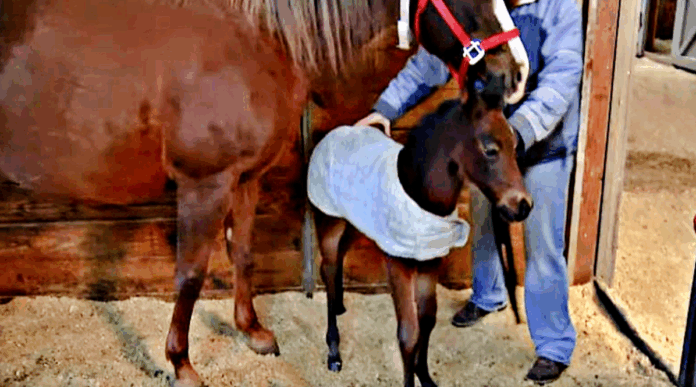
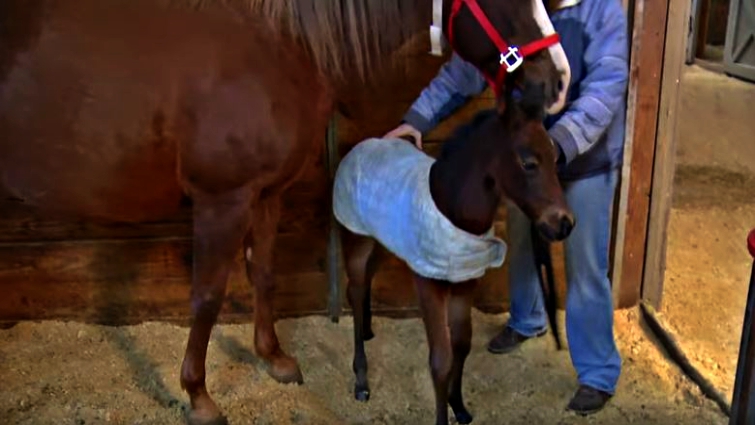
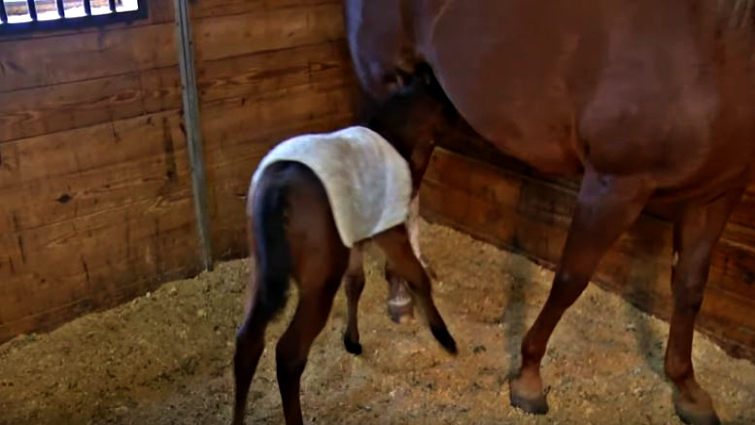
The foal in the video below is a perfect example of this natural behavior. Just days old and already full of personality, this little one wasn’t exactly thrilled about Dr. Joe’s visit to the stable. Rather than accepting the vet’s presence quietly, this spirited youngster took matters into their own hooves—literally! Armed with tiny but determined kicks, the foal made it abundantly clear: “Mom, I prefer we keep this visitor at a distance, thank you very much!”
This kind of reaction is incredibly common in newborn foals. Their limited experience with the world makes them naturally suspicious of unfamiliar people, even when those people are there to help. The foal’s confidence will grow with proper socialization and positive interactions over time.
The Bond Between Mare and Foal
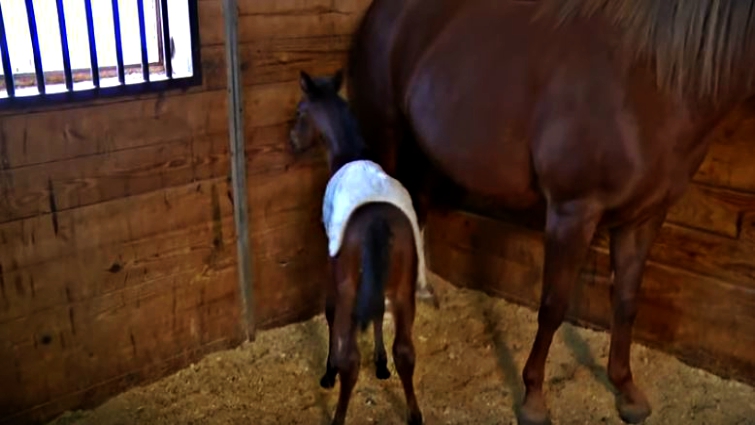
Notice how comfortable the foal felt knowing its mother was nearby? That’s the incredible bond between mare and foal at work. A mare’s protective instinct is one of nature’s most powerful forces, and in the early days, many mares won’t allow anyone—not even the stallion or the owner—to get too close to their babies. This maternal protectiveness is actually a sign of a healthy, strong bond.
As time passes and the foal is exposed to more people in positive ways, their natural curiosity and intelligence shine through. Before long, that cautious little foal becomes a friendly, social young horse eager to interact with their handlers.
Why Veterinary Visits Matter for Young Foals
While this foal’s reluctance to accept Dr. Joe’s presence is entertaining, regular veterinary checkups are absolutely essential for ensuring healthy development. Early vet visits help establish baseline health metrics, check for any congenital issues, and begin the important process of socialization.
Smart horse owners understand that making these early interactions positive—through patience, treats, and calm handling—sets the foundation for a foal that accepts veterinary care well throughout its life.
The Personality Shines Through
What’s truly remarkable about this little foal is the personality already on display. That determination to protect its space and stand up for itself? Those are the qualities that make great horses. With proper handling and socialization, this spirited youngster will grow into a confident, well-adjusted adult.
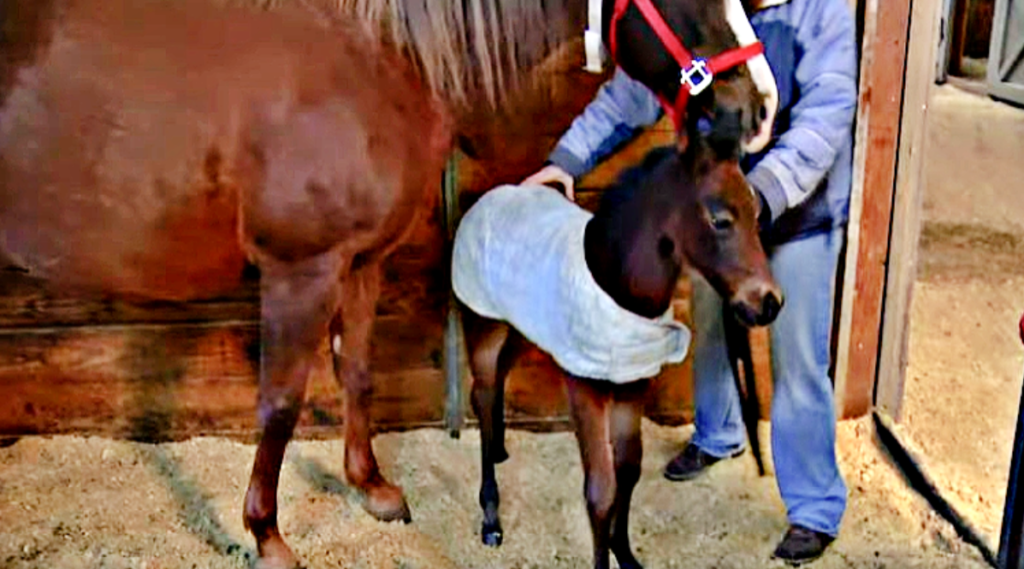
We absolutely love the energy and character this foal shows—even when it’s directed at poor Dr. Joe! Have you experienced similar situations with young foals on your farm or stable? Share your stories and thoughts in the comments below. We’d love to hear about your adventures with feisty foals!