
We’ve all been there—your friends rave about an incredible showjumping performance, so you buy your ticket expecting to witness pure equestrian magic. But sometimes, despite all the hype and preparation, things just don’t go according to plan. And that’s completely okay.
The truth is, showjumping is one of the most unpredictable sports in the equestrian world. Whether it’s the horse having an off day, the rider feeling the pressure, or an unexpected distraction in the arena, even the best-laid plans can fall apart. Horses are incredibly sensitive creatures—a sudden noise, unfamiliar lighting, or even a shift in their rider’s energy can throw off their focus in seconds.
The Challenge Trainers Face Every Day
Let’s give credit where it’s due: equestrian trainers have one of the toughest jobs in sports. Sure, caring for horses is demanding, but understanding them and helping them reach their full potential? That’s a whole different ballgame. Trainers spend countless hours in rehearsals, using treats, positive reinforcement, and countless training techniques to keep their horses sharp and confident.
When you watch training footage, you really get a sense of the effort required to prepare a horse for just 30 minutes of competition. The repetition, the patience, the adjustments—it’s exhausting work. So when something goes wrong on competition day, it hits hard for everyone involved.
When Things Don’t Go As Planned
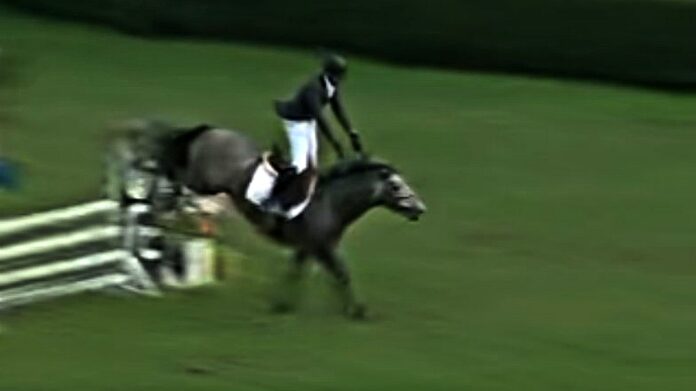
The showjumping duo in the video below learned this lesson the hard way. What promised to be one of their best performances quickly became a learning experience instead. While the round had its bright moments, there were some significant challenges that stood out:
Breaking Down What Happened
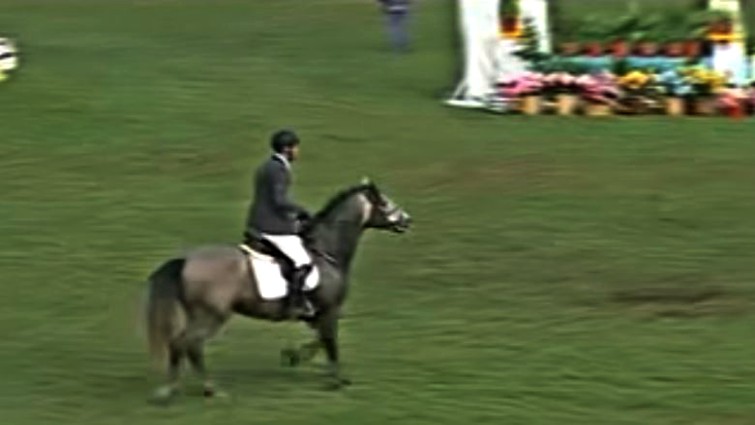
Throughout the performance, the rider visibly struggled to maintain their seat and balance over the jumps. Every time the horse left the ground, you could see the instability—and that’s something that can’t be ignored. In this case, the responsibility primarily falls on the rider’s shoulders. Maintaining a solid position over each jump is fundamental, and it’s clear that execution didn’t match the preparation.

Additionally, the horse showed hesitation at several obstacles. When you see a horse stop just before a jump, it’s typically a sign that they don’t feel confident or the approach didn’t feel right. This isn’t unusual in showjumping—we see refusals happen at every level of competition. The obstacles looked intimidating, and the horse’s lack of confidence combined with the rider’s balance issues created a perfect storm.

The Bigger Picture
While it’s easy to point out what went wrong, let’s remember that this is a learning moment, not a failure. Behind every rider and horse is months of training, dedication, and genuine love for the sport. Days like this—when things don’t go according to plan—are actually some of the most valuable for growth.

To the rider and horse in this performance: don’t be discouraged. The equestrian community understands that consistency is one of the hardest things to achieve. You put in the work, you showed up, and you learned something valuable. That’s what matters most.

This is why we love showjumping—it’s unpredictable, it’s challenging, and it demands the very best from both horse and rider. When things go perfectly, it’s magical. When they don’t, it reminds us of the incredible skill required to succeed in this sport. Next time you watch a flawless performance, remember the countless hours of preparation behind it, and when you see a rough ride, remember that every great rider has been exactly where this competitor is now.