
Horses have evolved dramatically over centuries, transforming from working animals into the refined, well-behaved partners we know today. Through selective breeding and training, humans have developed horses to excel in everything from ranch work to competitive sports and therapeutic riding programs.
But what truly separates a well-trained horse from a spooky, unpredictable one? The answer lies in proper horse training—a discipline that teaches horses to respond reliably to human direction and behave safely in any situation.
What Is Horse Training?
Horse training is far more than teaching tricks. It’s a systematic practice that develops specific behaviors and responses in horses, making them manageable for everyday care, riding, and competitive disciplines. Whether it’s dressage, jumping, western events, or therapeutic riding for people with disabilities, proper training creates the foundation for success.
The fundamental goal of any training program is clear: create a horse that is safe for humans to control and capable of performing meaningful tasks. This requires understanding equine psychology, building trust, and applying proven training techniques consistently.
Why Well-Trained Horses Are Worth the Investment
Any horse owner can tell you—training a horse to execute specific movements is incredibly challenging. That’s exactly why well-trained horses command premium prices and are highly sought after. These horses represent countless hours of professional expertise and dedication.
Most horse owners can’t achieve advanced training alone. It takes experienced professionals who understand equine behavior, body language, and the subtle cues that horses respond to. The difference between a spooky, reactive horse and a calm, obedient partner often comes down to who’s doing the training.
The Trainer-Horse Relationship Matters
Here’s a truth every equestrian needs to understand: if you can’t build a genuine relationship with your horse, you can’t call yourself a trainer. Horses are sensitive, intelligent animals that respond to how we treat them. Trust and respect form the foundation of any successful partnership.
When a horse acts “spooky” or refuses to cooperate, it’s rarely the horse’s fault. Often, it reflects gaps in training, unclear communication, or a broken relationship between horse and handler.
See the Difference in Action
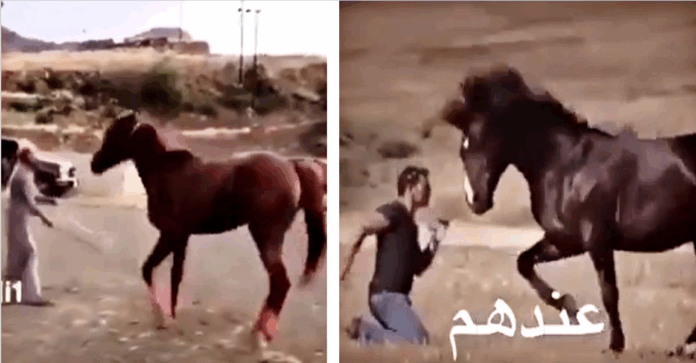
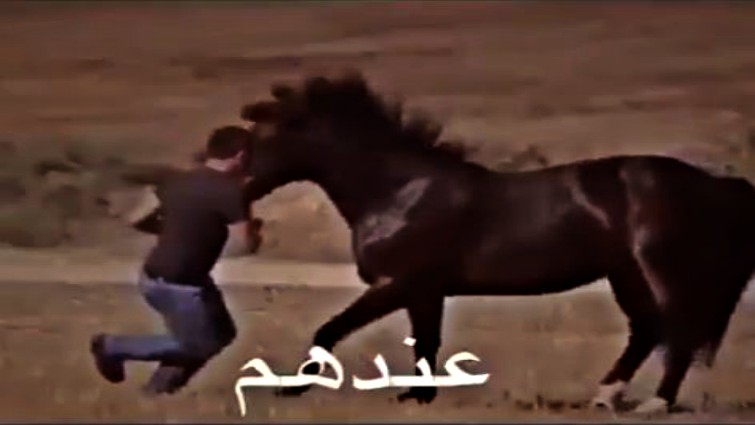
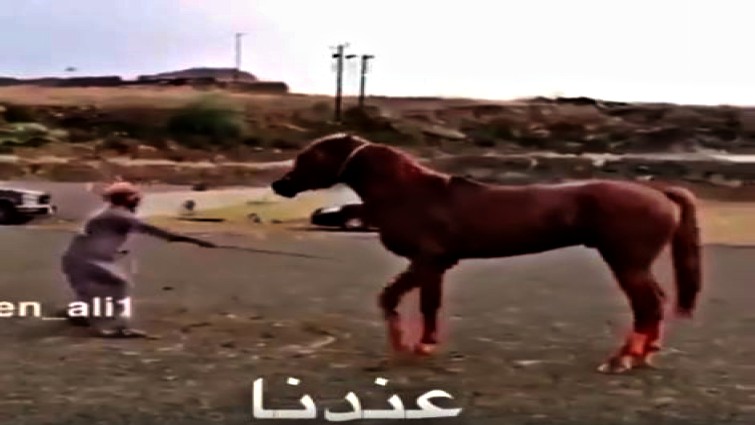
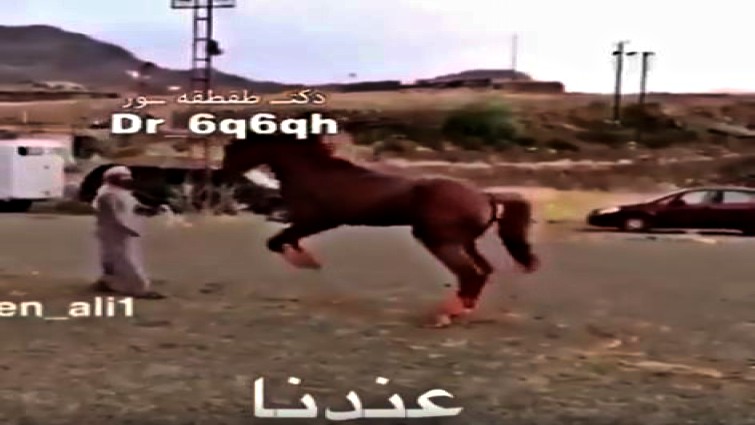
Want to see the stark contrast between a professional trainer and someone who lacks the skills to handle a spooky horse? This hilarious video perfectly captures what happens when training expertise is missing:
The contrast is both entertaining and educational. While one horse responds beautifully to subtle cues, the other clearly hasn’t received proper training—or trust hasn’t been established. It’s a perfect reminder that the “spooky” horse often gets the blame when it’s really the training approach that needs adjustment.
The Takeaway
The difference between a trained horse and a spooky one isn’t about the horse’s temperament—it’s about the training methodology, the trainer’s expertise, and the strength of the partnership. Well-trained horses are rare and expensive because they represent genuine skill development and trust-building.
If you’re working with a horse that seems unpredictable or spooky, consider whether the training approach needs adjustment. Sometimes the most dramatic improvement comes not from changing the horse, but from improving the human’s understanding of how horses learn and respond.
Love this content? Share it with your fellow horse lovers on Facebook and let us know your thoughts in the comments below!