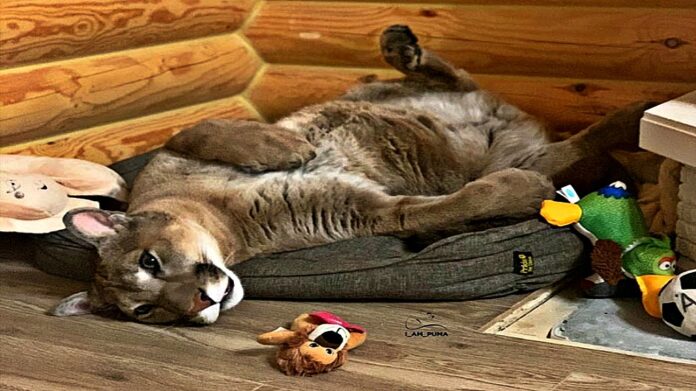

When we think of beloved pets, horses, dogs, and cats typically come to mind. These domesticated animals have lived alongside humans for centuries, making them our go-to companions. But what if we told you that some people are pushing the boundaries of pet ownership in truly extraordinary ways?
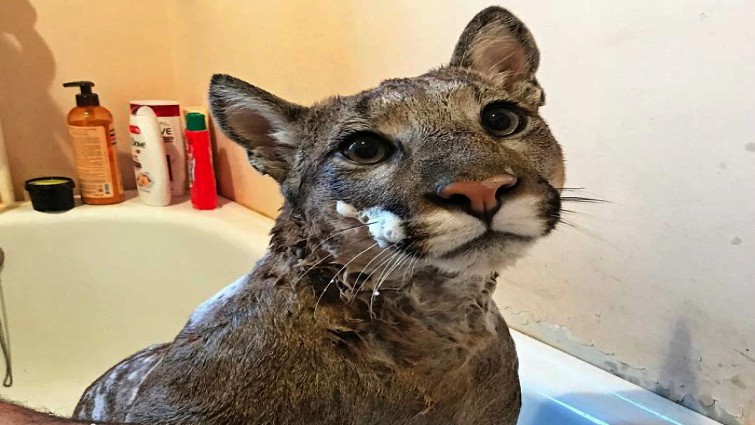
The Rarity of Wild Animal Domestication
It’s understandable why wild animals like lions, tigers, and pumas typically stay in their natural habitats. These magnificent creatures thrive in the wild, where they’ve evolved over countless generations to survive and flourish. Plus, the safety concerns are legitimate. However, a small but bold group of animal lovers has decided to challenge convention.
The question isn’t whether wild animals can be domesticated—it’s whether they should be. And interestingly, when properly socialized from a young age and trained with care and consistency, some wild animals can develop behaviors similar to traditional pets.
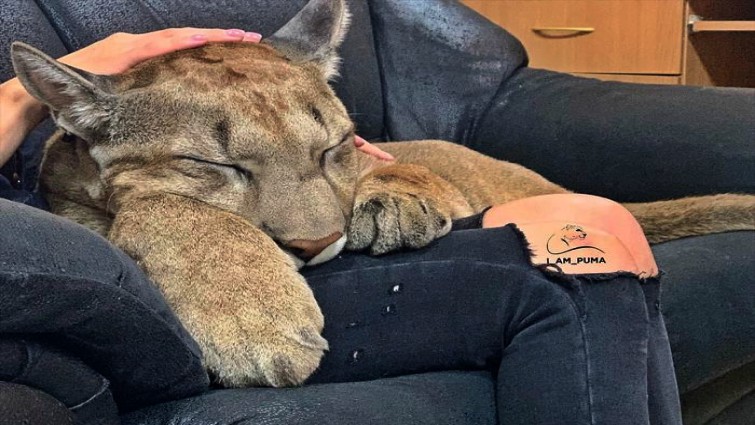
Introducing a Domesticated Puma: Living His Best Life
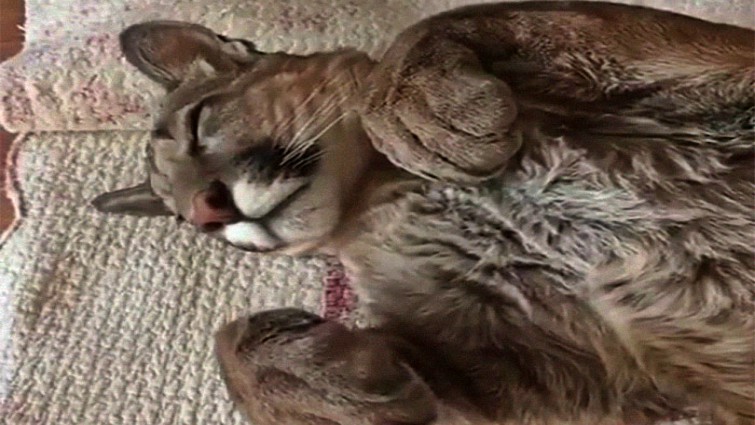
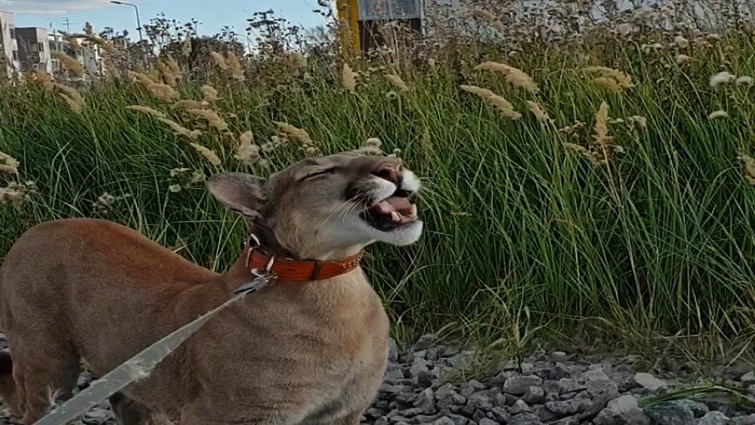
Enter one remarkable puma who’s rewriting the rulebook on exotic pet ownership. Yes, you read that right—a puma living as someone’s cherished companion! While it might sound shocking, this big cat has been raised with proper training and socialization, proving that even apex predators can adapt to domestic life when given the right environment and guidance.
The key to success? Early socialization, consistent training, and a deep commitment to understanding the animal’s needs. It’s not unlike raising a horse—require patience, knowledge, and respect for the animal’s nature.
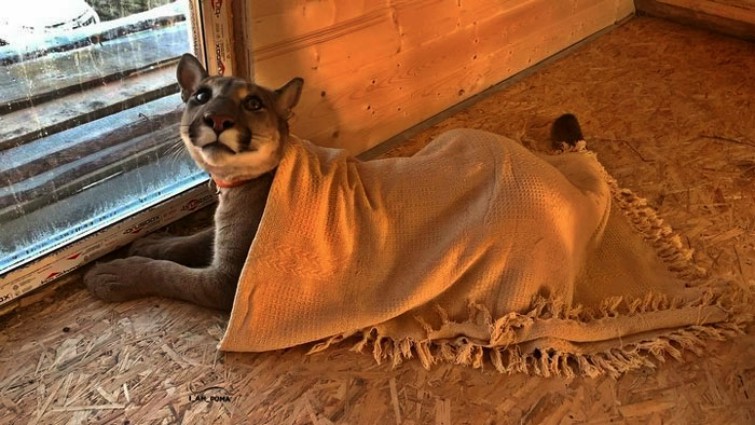
What Does It Take to Raise a Wild Animal as a Pet?
Domesticating a wild animal isn’t for the faint of heart. It requires:
- Early Training: Introducing proper manners and boundaries from a young age
- Expertise: Working with animal behaviorists and veterinarians
- Commitment: Understanding that wild instincts may never fully disappear
- Safe Environment: Providing adequate space and enrichment
- Legal Compliance: Navigating local wildlife regulations
The Future of Exotic Pet Ownership
As we continue to grow in our understanding of animal behavior and care, exotic pet ownership may become more normalized—though it should always remain a rare and carefully considered decision. This puma’s success story offers a glimpse into what’s possible when humans invest time and knowledge into building relationships with wild animals.
Could we see more domesticated wild animals in the coming years? Perhaps. But it’s crucial that any such endeavor prioritizes the animal’s wellbeing above all else, just as we do with our equine companions in the sport horse world.
What Do You Think?
Should wild animals like pumas be domesticated and kept as pets, or do they belong exclusively in their natural habitats? This fascinating puma’s story certainly sparks the conversation. We’d love to hear your thoughts! Share your perspective in the comments below—do you support exotic pet domestication, or do you believe in keeping wild animals wild?