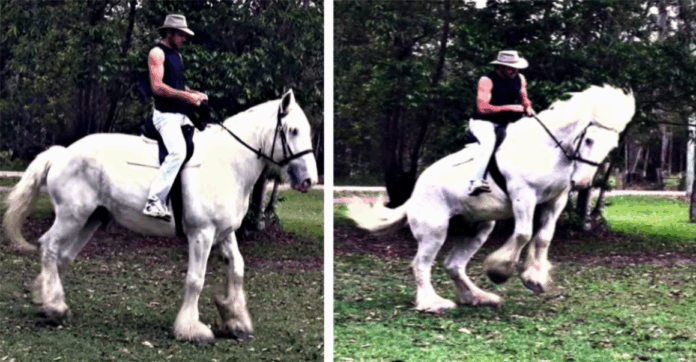

Draft horses have a well-deserved reputation as calm, steady companions in the equestrian world. So when we came across this striking video of a draft horse bucking its rider, we had to investigate what went wrong. Let’s dive into this important lesson about horse behavior and rider responsibility.
The Story Behind the Buck
In this video, experienced rider Mark attempts to work with his newly acquired draft horse—a beautiful animal that should have been a pleasure to ride. Instead, the horse bucks Mark from the saddle with force, sending him flying. But here’s the thing: this wasn’t a random outburst. The horse was actually communicating distress signals long before the buck happened.
The Warning Signs We Almost Missed
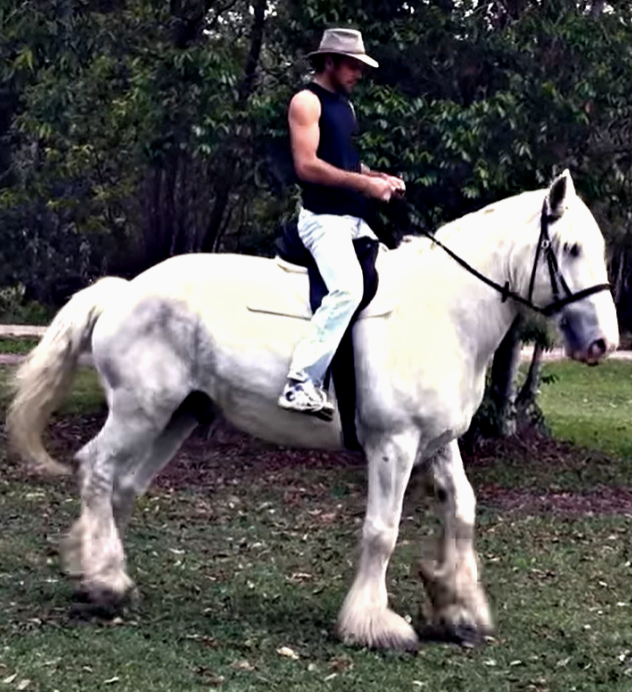
Looking closely at the footage, several critical warning signs are visible:
- Pinned ears: The horse’s ears are held back flat against its head—a classic sign of anxiety or pain
- Tense facial expression: Notice the stretched lips indicating stress and discomfort
- Active tail: The tail movement shows the horse is agitated and trying to communicate
- Overall nervous demeanor: The horse’s entire body language screams “something is wrong”
These aren’t signs of a “spooky” horse—they’re distress signals that a horse is in pain or feels threatened.
What Likely Caused the Reaction
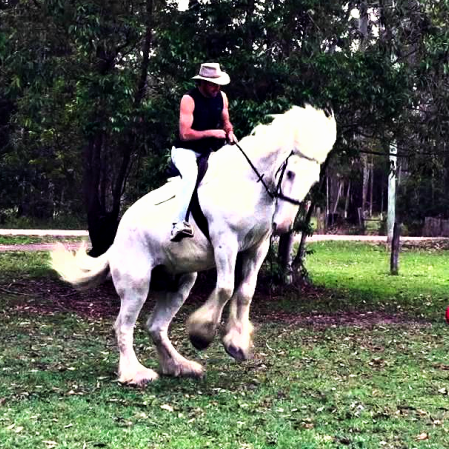
Upon closer inspection, we noticed several equipment and handling issues that probably triggered the buck:
- Rein tension: Mark appears to be maintaining constant, direct pressure on the horse’s mouth with the reins held in a straight line
- Mouth drag: The continuous pulling creates discomfort and pain, which no horse should have to endure
- Potential saddle fit issues: If the saddle wasn’t properly fitted to this particular draft horse, it could cause back pain or pressure points
When a horse experiences physical discomfort from tack or handling, bucking is often the only way it knows to communicate: “Stop, this hurts!”
The Crucial Lesson: Read Your Horse’s Body Language
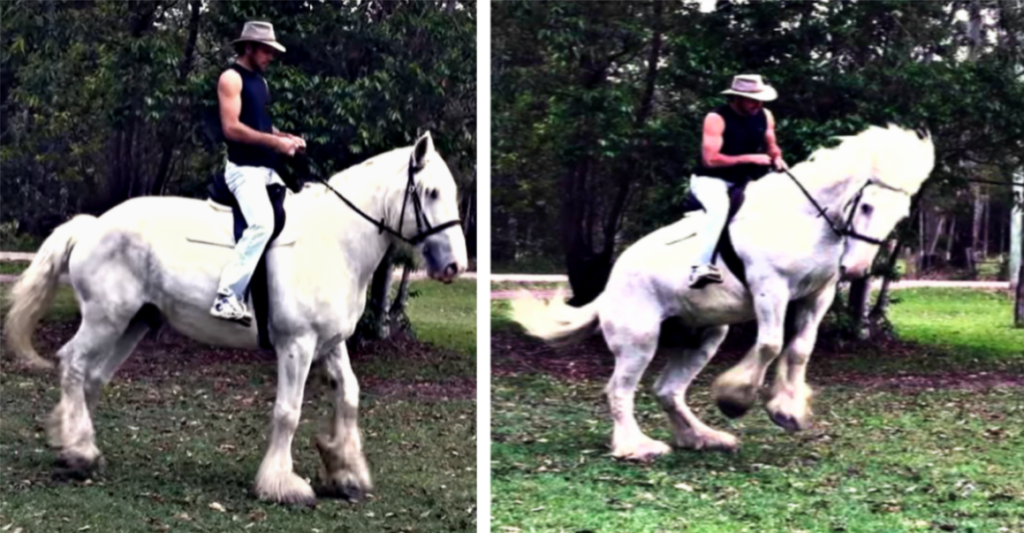
Every experienced equestrian should know this fundamental truth: horses always give warnings before they buck. A horse doesn’t suddenly decide to buck without reason—it’s always a response to fear, pain, or extreme discomfort.
As riders, our responsibility is to:
- Recognize these warning signals immediately
- Stop what we’re doing and assess the situation
- Check our tack fit and hand position
- Address the horse’s concern before it escalates
- Build trust through gentle, thoughtful handling
Watch the Video and Share Your Thoughts
Check out the full video below to see these warning signs in action. It’s a powerful reminder that even with the gentlest breeds, proper horsemanship and attentiveness are non-negotiable.
What are your thoughts on this situation? Do you see the warning signs? Share your insights in the comments—let’s use this as a learning opportunity for the entire equestrian community. Remember, every buck tells a story, and it’s our job as responsible riders to understand what our horses are trying to tell us.