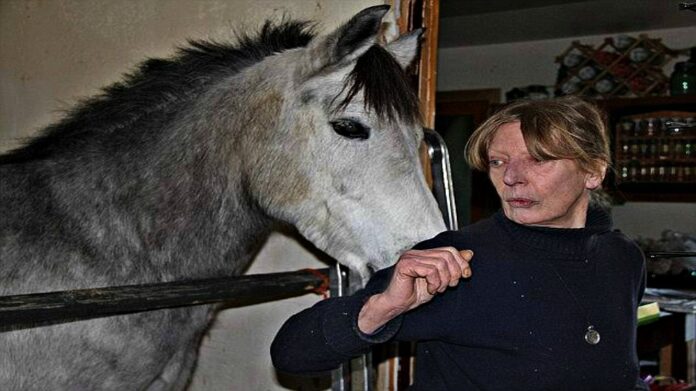

The internet brings us countless stories that test the boundaries of belief—and some of the most heartbreaking involve animal welfare. From abandonment to neglect, the mistreatment of horses and other animals remains a serious concern in our society, despite the efforts of dedicated welfare organizations worldwide.
But today, we’re diving into an extraordinary case that shocked the equestrian community: a qualified riding instructor who kept her pony living inside her house for an extended period. What makes this story so troubling is that the person responsible should have known better—and arguably, did.
When Housing Takes a Wrong Turn
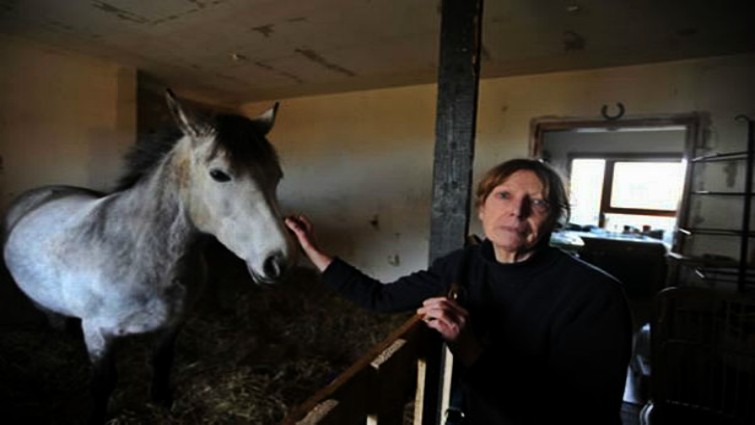
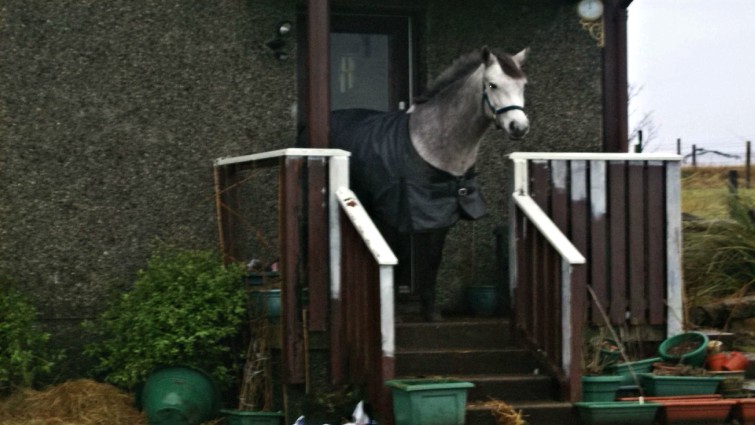
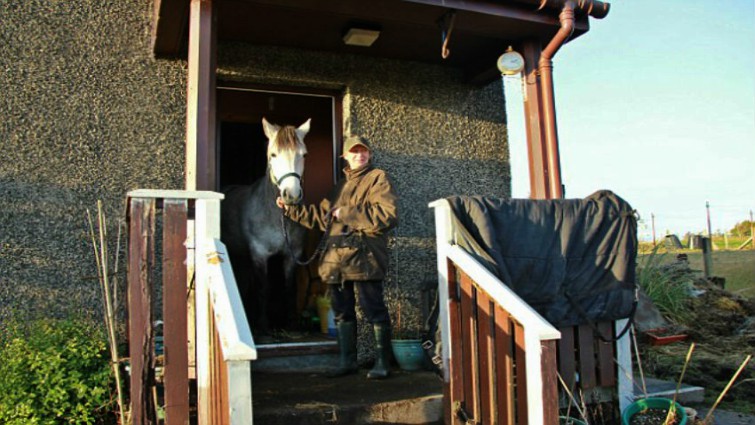
Stephanie Noble, a certified riding instructor, found herself in a difficult financial situation after a dispute with the landowner where her pony previously grazed. Facing limited options, she made a controversial decision: she moved her pony into her living room.
While we understand that economic hardship can push people to desperate measures, this solution was fundamentally wrong—and Noble’s neighbors recognized it immediately. Several residents voiced their concerns, warning her that keeping a horse indoors was harmful to the animal’s health and wellbeing. Unfortunately, their pleas fell on deaf ears.

Why Horses Cannot Live Indoors
For any equestrian professional—let alone a riding instructor—the reasons why horses cannot be kept indoors for extended periods should be obvious:
- Respiratory Health: Horses require fresh air and natural ventilation. Indoor environments trap dust, ammonia from urine, and other harmful particles that damage their sensitive respiratory systems.
- Movement Needs: Horses are naturally herd animals that need space to move, graze, and exercise. Confinement causes physical deterioration and psychological stress.
- Hoof Health: Constant contact with hard flooring and urine-soaked bedding leads to serious hoof problems and infections.
- Mental Wellbeing: Extended indoor confinement causes depression, anxiety, and behavioral problems in horses.
The Legal Battle and Its Outcome
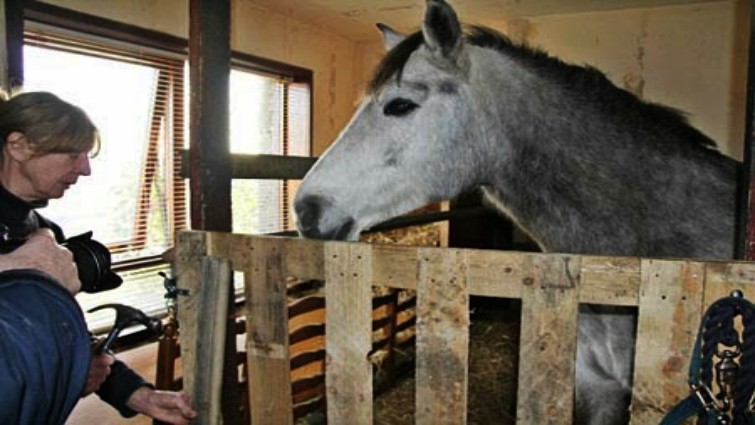
After experts inspected the pony’s living conditions, authorities determined that the animal had to be removed immediately. What followed was a grueling four-year legal battle between Noble and the Western Isles Council—a battle that Noble ultimately lost.
The court’s decision was clear: keeping a horse in a home environment is not acceptable animal care, regardless of the owner’s intentions or circumstances. The pony was removed and has since begun the long recovery process from its prolonged confinement.
What This Case Teaches Us
This case is a stark reminder that animal welfare is non-negotiable, even when faced with difficult circumstances. Stephanie Noble’s credentials as a riding instructor made her situation even more troubling—she had the knowledge to know better.
If you ever find yourself unable to properly care for a horse, there are legitimate alternatives:
- Contact local equine rescue organizations
- Reach out to breed-specific rescues
- Work with farriers and veterinarians for affordable care solutions
- Explore boarding options or temporary foster arrangements
- Consult with equine welfare agencies for resources
Speak Up for the Voiceless
The neighbors who reported this situation did the right thing. If you ever witness animal mistreatment—whether it’s a horse confined indoors, signs of neglect, or abuse—please report it to local authorities or animal welfare organizations.
Our horses depend on us to provide proper care, and that starts with understanding their basic needs. Let this case serve as a powerful lesson for everyone in the equestrian community: animal welfare must always come first, and when we see it being compromised, we have a responsibility to act.
The equestrian world is built on the bond between humans and horses. Let’s honor that bond by ensuring every horse receives the care, space, and respect they deserve.