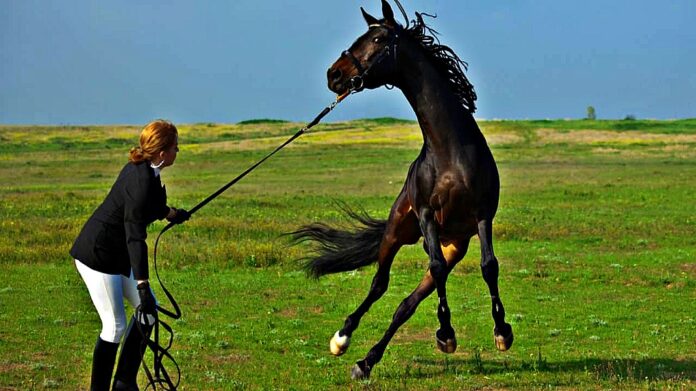

As horse owners and riders, we want nothing more than to keep our equine partners happy, healthy, and thriving. But did you know that stress can significantly impact your horse’s physical and mental well-being? From trailer loading anxiety to vet visits and show preparation, our horses face numerous stressors in their daily lives. The good news? With the right knowledge and tools, you can identify stress early and take meaningful steps to prevent it.
What Triggers Stress in Horses?
Horses are sensitive creatures, and many everyday situations can cause stress and anxiety. Common triggers include:
- Isolation or separation from their herd
- Trailer loading and transportation
- Veterinary examinations and treatments
- Farrier visits and hoof care
- Show preparation and competition
- Weather changes and environmental shifts
- Changes in their care routine or caretakers
While these situations might seem routine to us, they can be genuinely stressful for horses—especially those with previous negative experiences or naturally anxious temperaments.
Understanding the Stress Response
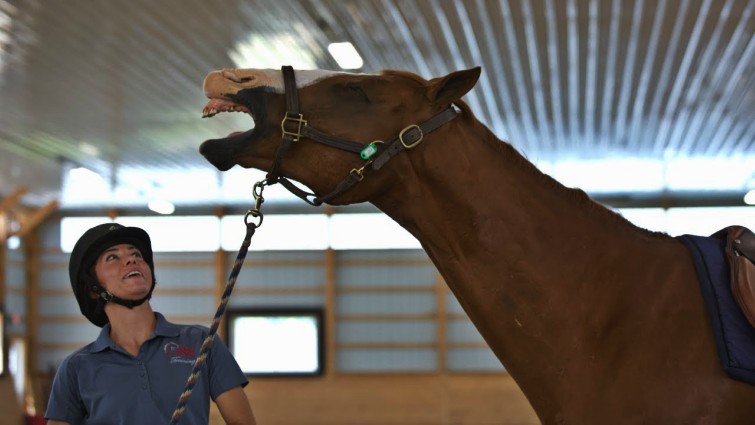
Renowned equine trainer Ben Hart emphasizes that understanding how horses process stress is fundamental to better horsemanship. When horses encounter perceived threats or challenges, their bodies activate the fight-or-flight response—releasing stress hormones to prepare them for action.
The key insight: Your horse’s reaction to stress varies based on their personality and past experiences. A naturally confident horse might show moderate stress during trailer loading, while a sensitive horse with a prior negative experience could exhibit severe anxiety in the same situation. Neither response is “wrong”—it’s simply how their individual temperament processes the challenge.
How to Recognize Stress in Your Horse
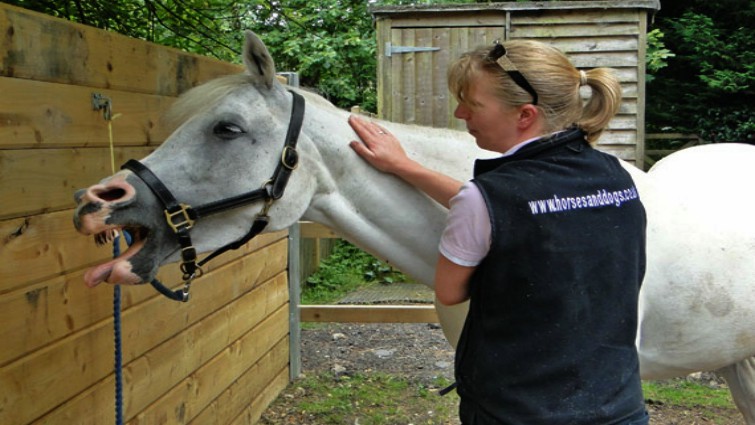
Unfortunately, many horse owners lack the experience to spot stress signals in their animals. Early identification is crucial because it directly impacts your horse’s health and helps you avoid dangerous situations. Here’s what to watch for:
During Times of Anxiety and Pain: Stress chemicals flood your horse’s system, triggering various behavioral changes. These are your early warning signs that something needs attention.
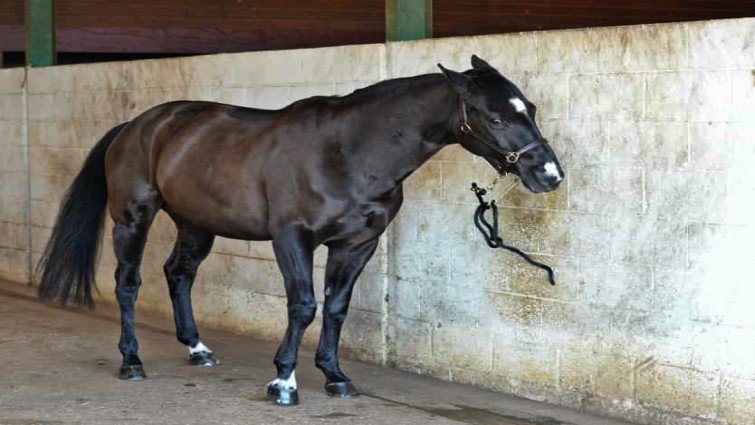
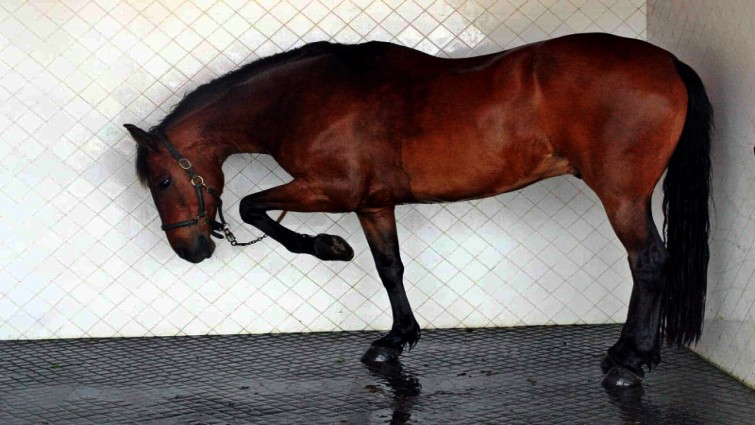
At Higher Stress Levels: Horses become flight animals and will exhibit pronounced behavioral changes and unusual responses. These visible signs indicate that your horse is struggling and needs your support. Common stress behaviors include:
- Excessive sweating
- Rapid heart rate and breathing
- Head tossing or shaking
- Tail swishing
- Backing away or refusing to cooperate
- Spooking at normal stimuli
- Changes in eating habits
- Tension in the jaw and neck
Preventing and Managing Stress in Your Horse
The exciting part? You can significantly reduce stress in your horse’s life through consistent, thoughtful training. Ben Hart’s approach focuses on building your horse’s confidence and problem-solving abilities—the two pillars of a stress-resilient equine partner.
Here’s how to get started:
- Work Regularly: Consistent exposure to challenging situations in a safe, controlled environment helps your horse build confidence
- Progress Gradually: Don’t rush through scary situations. Take small steps and reward every success
- Build Trust: Your calm, consistent presence is your horse’s greatest source of security
- Develop Problem-Solving: Teach your horse that challenges are solvable, not scary
- Stay Calm Yourself: Horses are incredibly intuitive—if you’re anxious about trailer loading, your horse will be too

The Bottom Line
Stress in horses isn’t something to ignore or hope will pass on its own. By learning to recognize the signs and actively working to build your horse’s confidence through regular, patient training, you’re investing in their long-term health and happiness. Remember: every horse has their own threshold and temperament. What matters most is that you’re tuned in, responsive, and committed to helping your equine partner feel safe and secure.
Your horse depends on you to be their advocate and their calm. Make stress management a priority, and you’ll enjoy a stronger, more trusting partnership with your beloved equine friend.