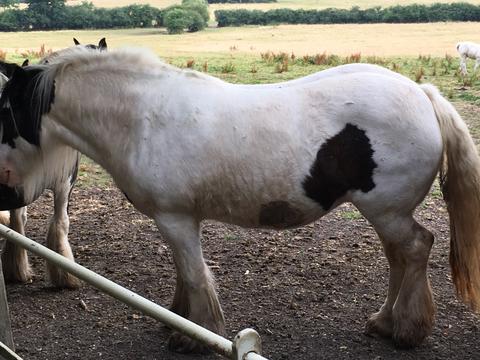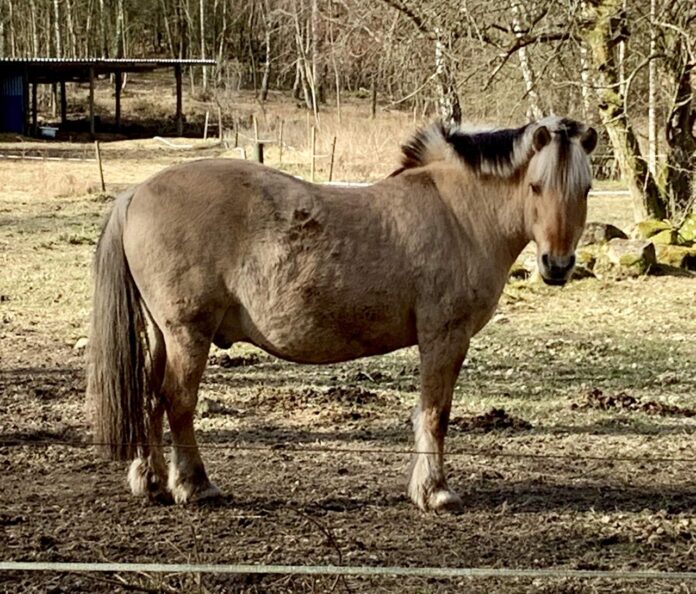

We all know the saying: “eating like a horse.” And for good reason! Horses are champion eaters who spend nearly 23 out of every 24 hours grazing in the wild. They’re built to constantly munch, and as horse lovers, it’s tempting to show our affection through treats and extra feed. But here’s the thing—while a chubby horse might look adorable, equine obesity is a serious health issue that can compromise your horse’s wellbeing and performance.
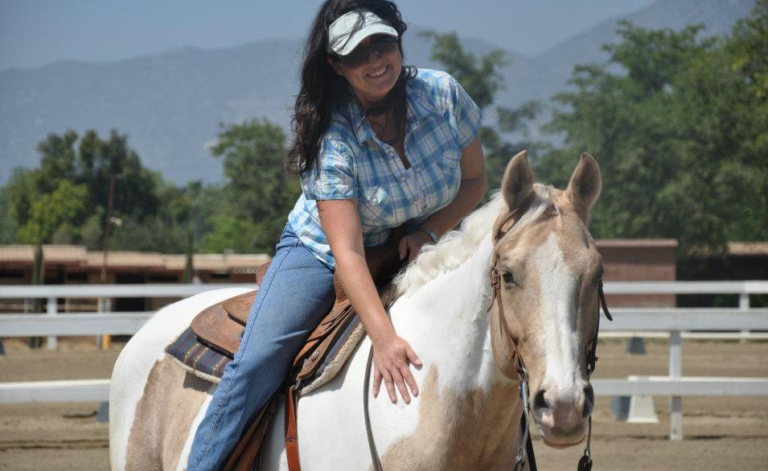
The Hidden Dangers of Equine Obesity
Just like humans, horses can struggle with weight management. And while there’s nothing wrong with a horse carrying a few extra pounds for charm, obesity goes beyond appearance—it directly impacts your horse’s health, athleticism, and quality of life.
The consequences of obesity in horses are far more serious than most owners realize. Overweight horses commonly experience:
- Exercise Intolerance: Reduced stamina and ability to perform
- Poor Athletic Performance: Difficulty with training and competition
- Compromised Temperature Control: Inability to regulate body heat effectively
- Reproductive Issues: Decreased fertility and breeding performance
- Abdominal Fatty Tumors: Benign growths that can trigger colic
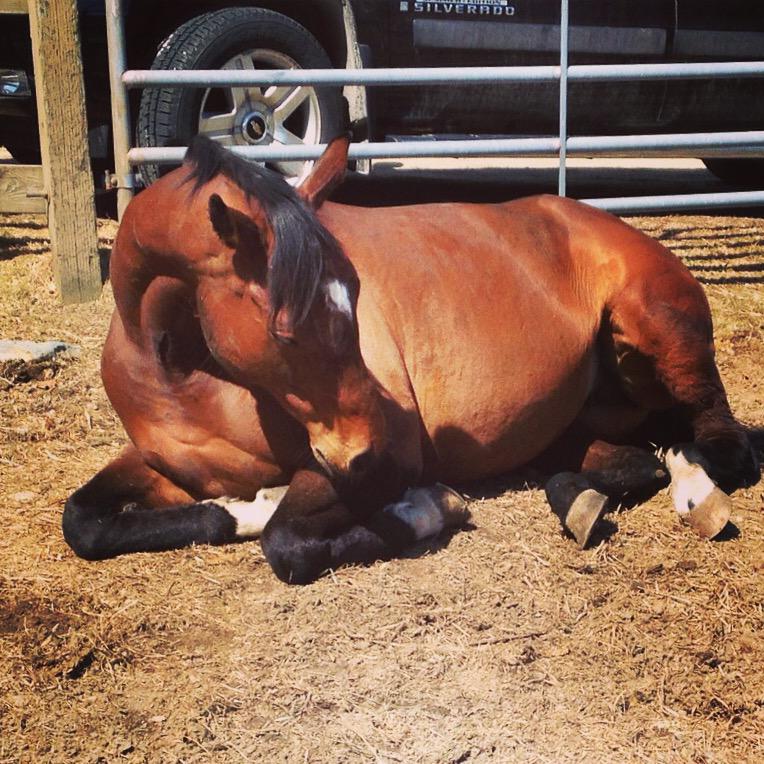
Obesity & Insulin Resistance: A Dangerous Connection
One of the most critical concerns with obese horses is the development of insulin intolerance. This metabolic disorder can trigger a cascade of serious equine diseases, including:
- Laminitis: Painful inflammation of the hoof’s sensitive tissues
- Cushing’s Disease: An endocrine disorder affecting older horses
- Chronic Inflammation: Systemic inflammation throughout the body
These conditions don’t just cause discomfort—they can significantly impact your horse’s lifespan and quality of life. Horses with insulin resistance require careful management, specialized diets, and ongoing veterinary care.
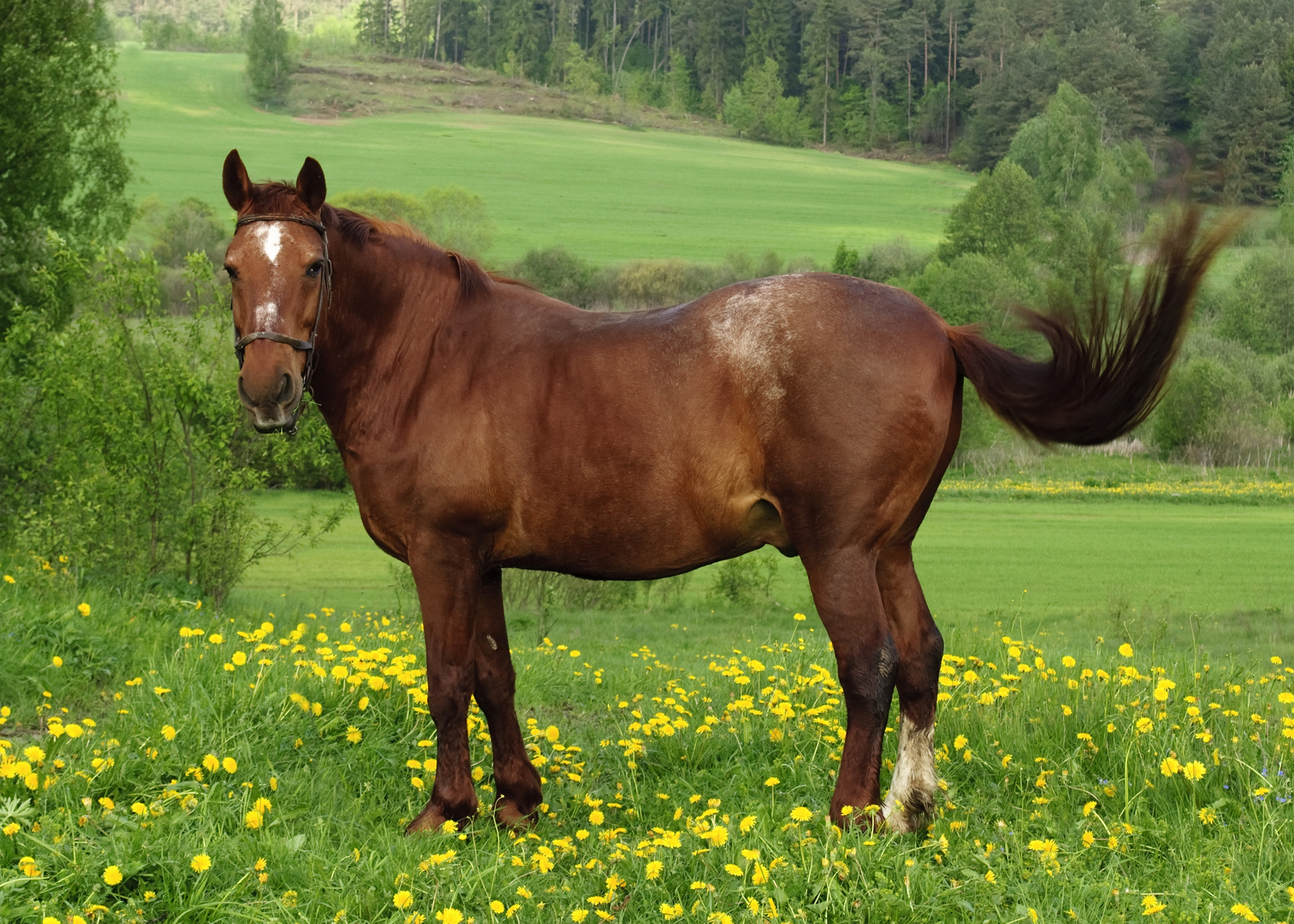
Taking Care of Your Horse’s Health
We’re grateful to have horses in our lives—animals that are loyal, capable, and deserving of our best care. Maintaining a healthy weight is one of the most important ways you can show your horse love and appreciation. A fit, balanced horse is a happy horse.
Rather than expressing affection through extra treats and feed, focus on:
- Providing appropriate portions of quality forage
- Regular exercise and movement
- Routine veterinary check-ups and weight assessments
- Consulting with an equine nutritionist for dietary guidance
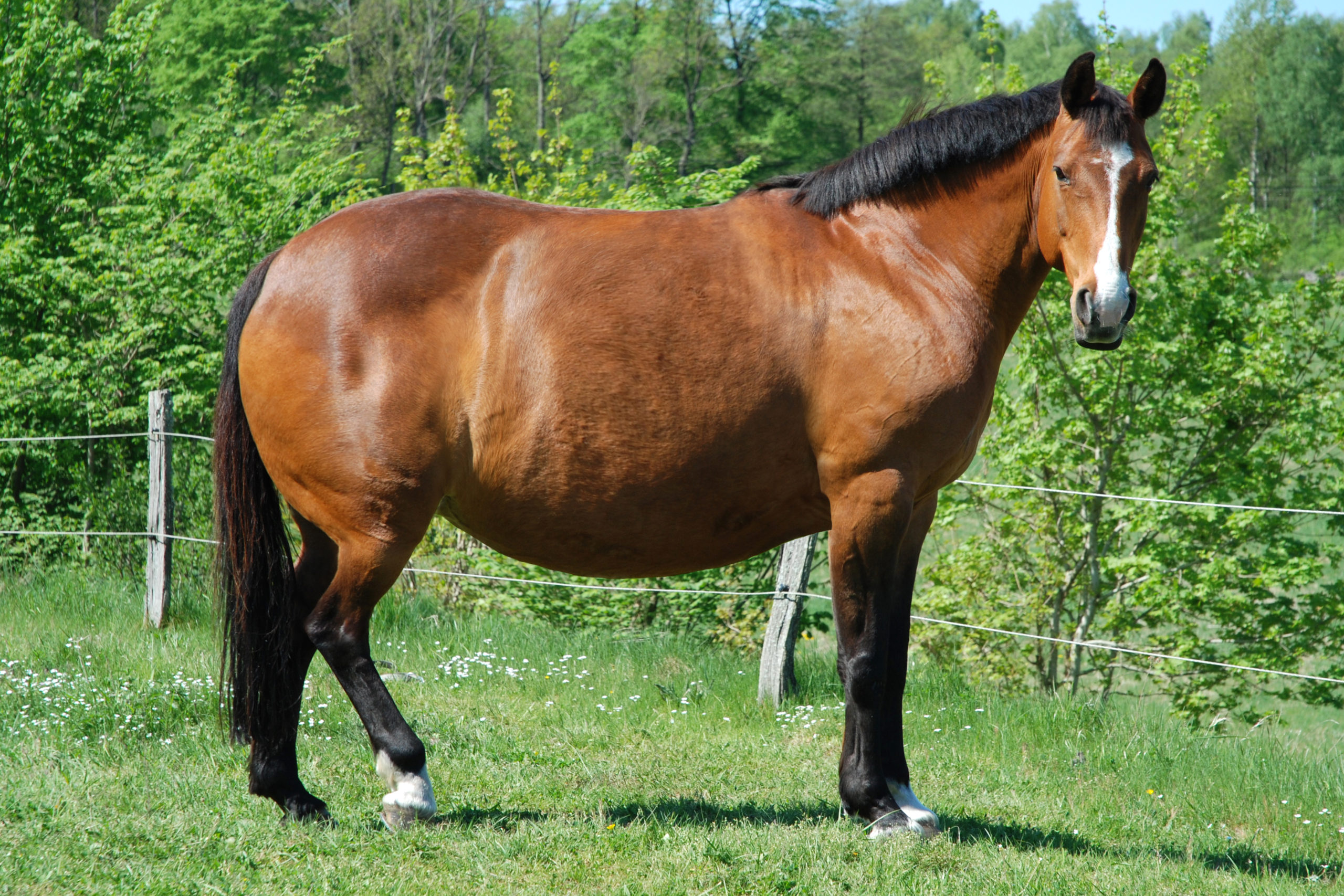
Your horse depends on you to make decisions that prioritize their long-term health over short-term cuteness. By keeping your equine partner at an ideal weight, you’re investing in years of happy, healthy riding and companionship.