

While horses are renowned for their calm and gentle nature, many people are surprised to learn that these majestic animals aren’t naturally aggressive. In fact, first-time horse encounters often leave people intimidated, expecting danger where there is none. However, there’s an important exception to this rule: some horses do display aggressive behavior for very specific reasons.
Horses may become aggressive if they were raised in the wild or have experienced abuse from previous owners, losing their trust in humans. While most horses can be rehabilitated by skilled professionals, some cases present extraordinary challenges that require a truly exceptional trainer.
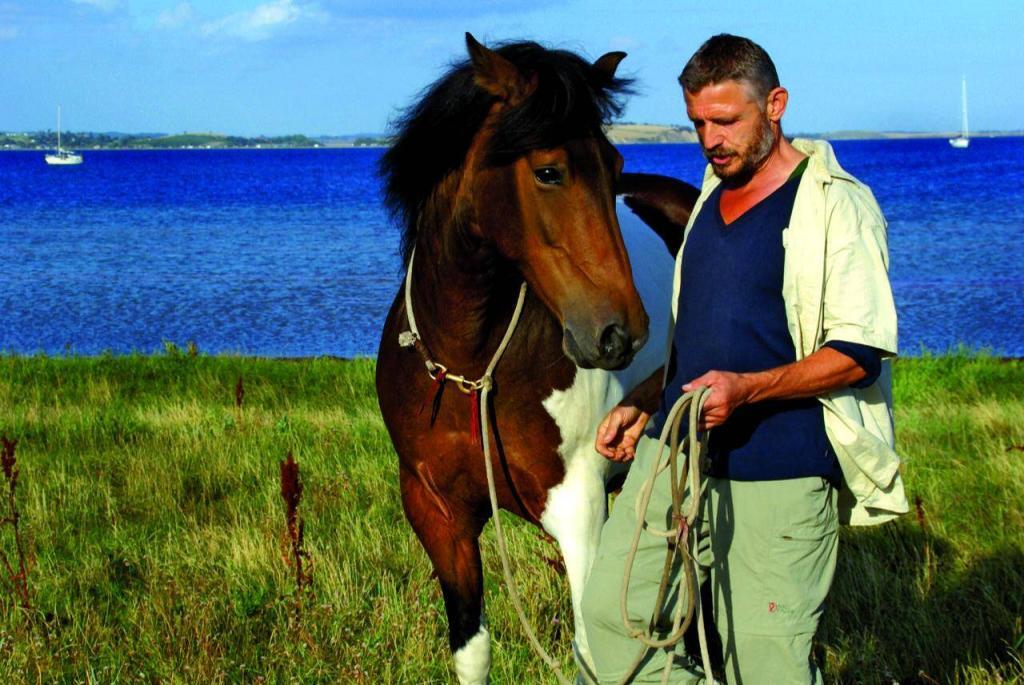
From Unmanageable to Transformed: A Lusitano Stallion’s Journey
A Dutch trainer encountered a particularly challenging case when working with a Lusitano stallion known for his unpredictable and aggressive behavior. Despite the trainer’s expertise and dedication, the stallion’s temperament proved too difficult to manage. Recognizing when to seek additional help is a sign of true professionalism, so the trainer referred the horse to the KFH-School Farm for specialized rehabilitation.
At just five years old, the Lusitano stallion arrived at his new home with a reputation for being dangerously uncontrollable. The situation seemed dire—multiple trainers had already attempted to work with him, all without success. But this facility had something different to offer: a trainer who specializes in seemingly impossible cases.
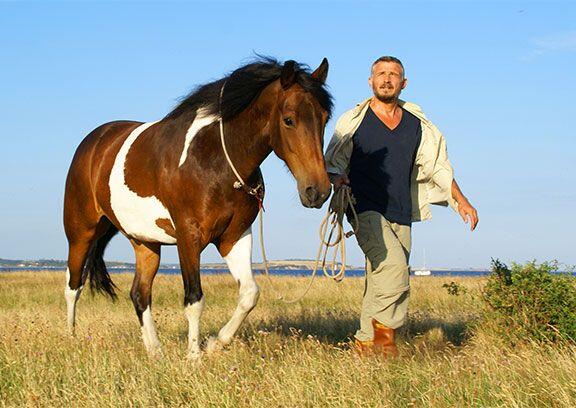
Five Steps to Transformation
What happened next was nothing short of remarkable. Through a methodical five-step training approach, the new trainer managed to completely transform the aggressive stallion’s behavior. Where other professionals had failed, this expert succeeded—proving that with the right knowledge, patience, and technique, even the most challenging horses can be rehabilitated.
This breakthrough demonstrates why professional horse trainers deserve recognition and respect, especially when working with potentially dangerous animals. Training aggressive stallions requires not only skill but also an understanding of equine psychology and behavior—something that separates exceptional trainers from the rest.

Watch the Transformation
See for yourself how this talented trainer accomplished what others couldn’t. The video below showcases the incredible journey of this Lusitano stallion and offers valuable insights into professional horse training techniques:

Key Takeaways for Horse Lovers
This remarkable case teaches us several important lessons about horses and their behavior:
- Not all aggression is permanent: With proper training and understanding, even aggressive horses can change
- Experience matters: Finding the right trainer makes all the difference in rehabilitation
- Respect the process: Professional trainers know when to ask for help and refer horses to specialists
- Patience is essential: Transforming a horse’s behavior takes time, dedication, and expertise
Whether you’re a seasoned equestrian or just beginning to explore the world of horse sports, understanding equine behavior and the dedication of professional trainers deepens our appreciation for these incredible athletes. The next time you encounter a horse, remember: what appears as aggression is often a cry for understanding, and with the right approach, even the most challenging cases can have happy endings.