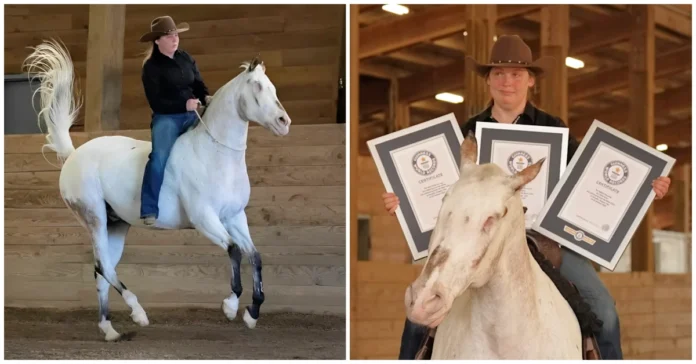

There’s nothing quite like watching horses relax in the sunshine, contentedly grazing on lush green grass. These peaceful moments aren’t just adorable—they’re absolutely essential for your horse’s health and happiness. Let’s dive into what makes pasture time so important and how you can ensure your equine friends get the most out of those gorgeous sunny days.
Why Pasture Time Matters for Horse Health
Horses are natural grazers, and providing them with fresh air and verdant pasture is fundamental to their well-being. When you observe horses enjoying a sunny day in a healthy pasture, you’re watching them thrive in an environment designed by nature itself. These tranquil grazing sessions support both their physical health and mental wellness—two equally important aspects of comprehensive equine care.
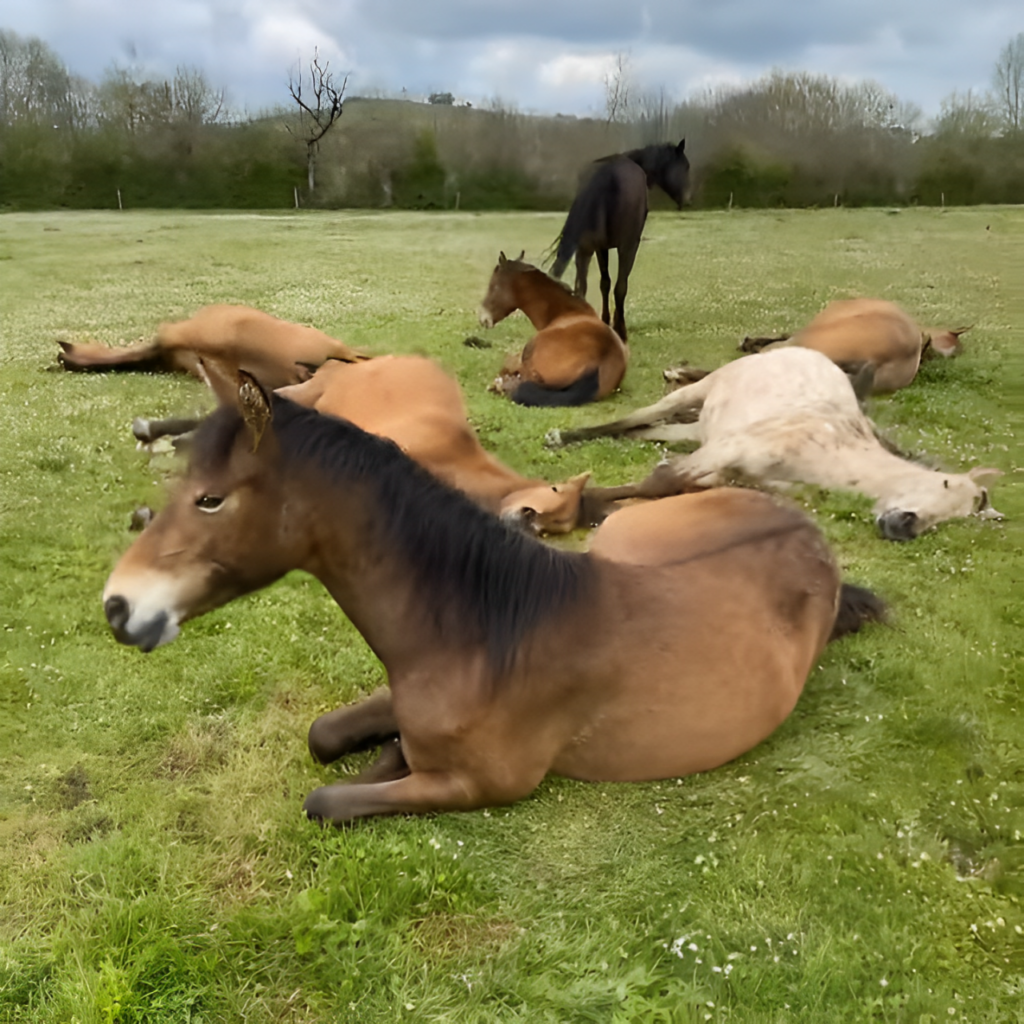
The Right Way to Transition Horses to Spring Pasture
Excited to turn your horses out after winter? Pump the brakes! The transition to pasture requires careful management to prevent serious health issues. Here’s the smart approach:
Start with hay: Always feed your horse quality hay before their first pasture outing of the season. This prevents them from gorging on fresh grass on an empty stomach, which can wreak havoc on their digestive system.
Gradual turnout: Begin with just 15-20 minutes of grazing time, then incrementally increase daily. This allows your horse’s digestive system to adjust without stress. Think of it like a training program—slow and steady wins the race!
Timing matters: Ideally, let horses graze during early morning or late evening hours when grass has lower fructose content. However, keep in mind that these times also see increased mosquito activity, which can heighten the risk of infections like West Nile virus.
Watch Out for Spring Grass Risks
Spring grass is lush, tempting, and—if not managed properly—dangerous. The rich new growth that emerges after winter can trigger serious conditions:
- Colic: This painful abdominal condition can develop from overeating rich spring grass
- Founder (Laminitis): A devastating hoof disease that can result from excessive intake of new grass
These aren’t just uncomfortable—they can be career-threatening or life-threatening for your horse. Moderated grazing practices are essential to protect your equine partner’s health.
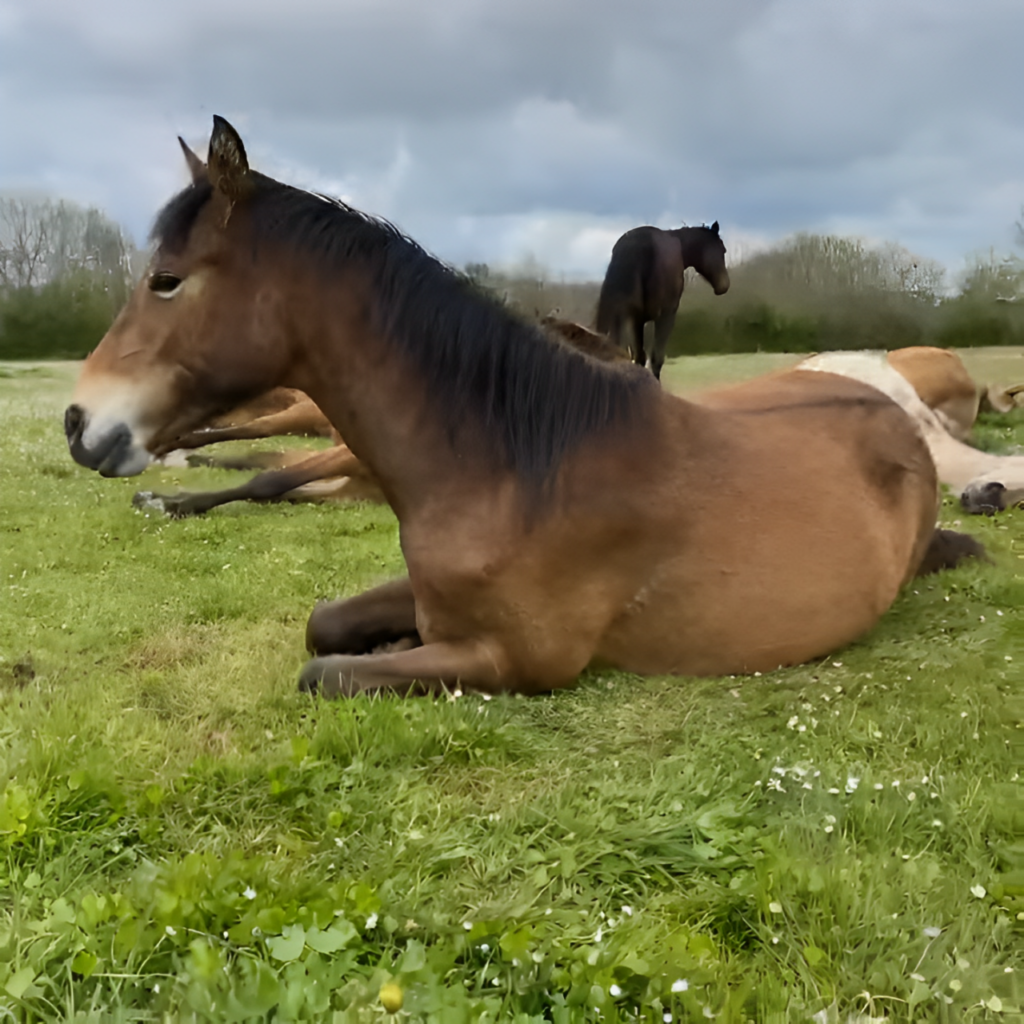
Building a Complete Nutrition Plan
While grass provides the foundation of a horse’s natural diet, domesticated and working horses need more comprehensive nutrition. Grass alone simply can’t meet all their nutritional requirements, especially for horses in training or competition.
Most horse owners supplement their horses’ diets with:
- Quality hay (essential during non-grazing seasons)
- Grain and concentrates (for energy and performance)
- Salt blocks and mineral supplements (to fill nutritional gaps)
- Specialized supplements (tailored to individual needs)
These additions support your horse’s energy levels, overall health, and performance capabilities, ensuring they get everything they need to thrive.
Don’t Forget Mental Health!
Here’s something many people overlook: your horse’s mental well-being is just as crucial as their physical health. Continuous turnout, where horses roam freely 24/7, has been proven to significantly benefit their psychological state.
The benefits are impressive:
- Fewer behavioral issues and vices
- Easier training and better rideability
- More mental stimulation and less boredom
- Greater opportunity for natural social interaction
Horses that have ample space to explore and interact with their environment tend to be happier, healthier, and more willing partners in training.
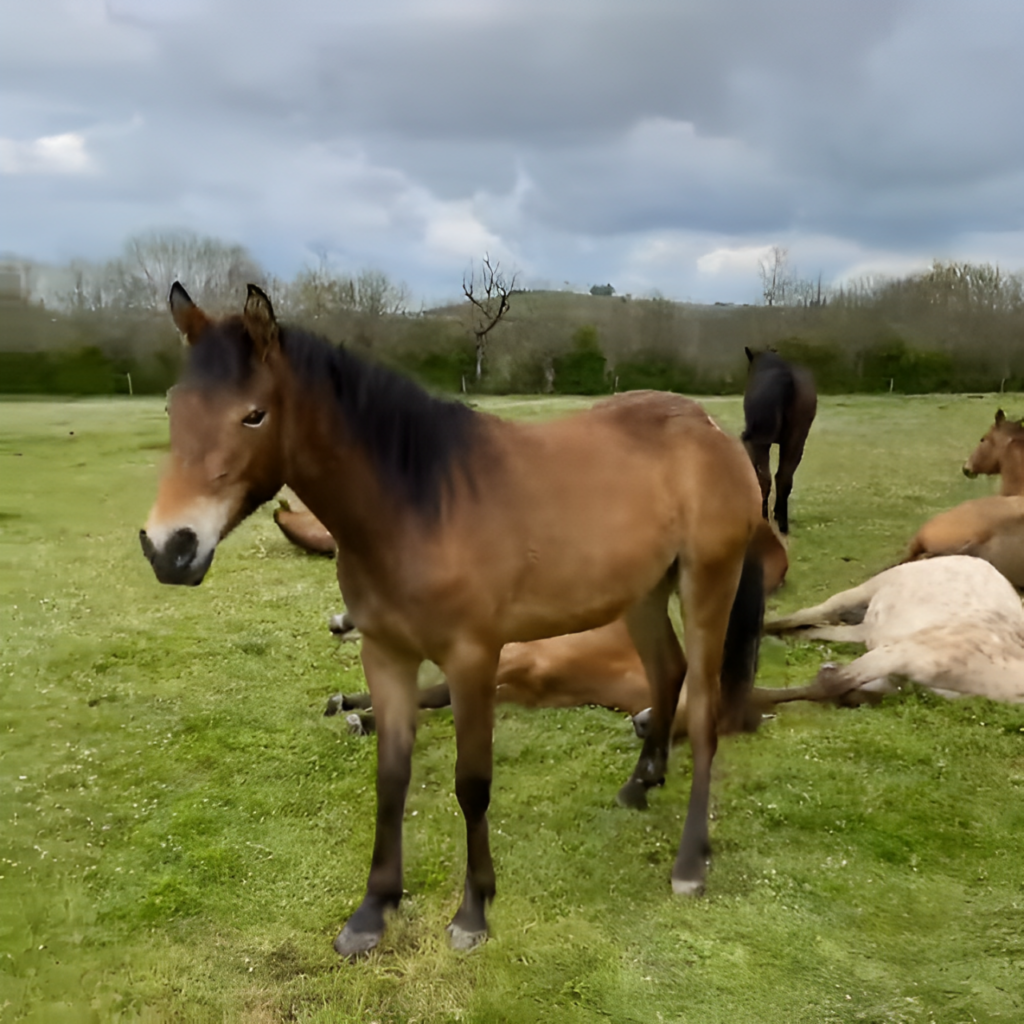
The Bottom Line: Natural Care for Natural Horses
Caring for horses in a way that honors their natural tendencies is the key to their long-term health and happiness. Whether you’re managing grazing time strategically, supplementing their nutrition thoughtfully, or providing ample space for free movement, every decision you make impacts your horse’s well-being.
Those peaceful moments on a sunny day? They’re not just pleasant to watch—they’re your horse thriving exactly as nature intended. Keep providing those opportunities, manage the transitions carefully, and you’ll have happy, healthy horses for years to come!