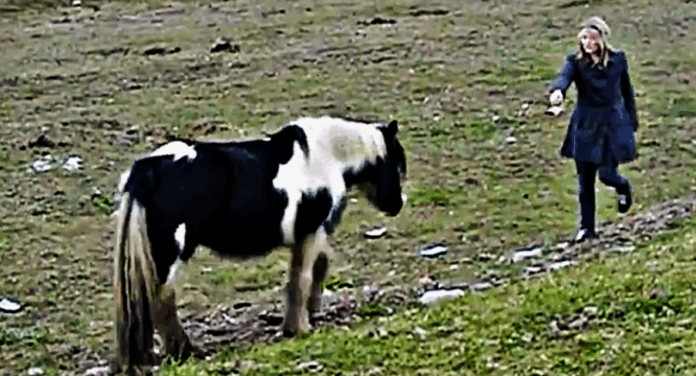

If you’re not an experienced equestrian, there’s a lot you might not know about horses—and that knowledge could be critical if you ever find yourself near one, especially if you’re thinking about riding. Most people dream about the romantic experience of saddling up and riding into the sunset, but the reality can be quite different and potentially dangerous.
Horses are magnificent creatures, but their behavior can be unpredictable and even surprising, even for seasoned riders. That’s why it’s so important to understand the crucial difference between domesticated and wild horses. While they’re the same species, their temperaments and behaviors are worlds apart.
Domesticated vs. Wild Horses: Understanding the Key Differences
Domesticated horses have been bred and trained to work alongside humans for thousands of years. They’ve learned to tolerate human presence and respond to training. Riding a well-trained domestic horse can be a wonderful experience for beginners and experienced riders alike.
Wild horses, on the other hand, are an entirely different story. They’ve never been saddle-trained, never been ridden, and they perceive humans as potential threats. A wild horse’s natural instinct is to flee or fight when confronted with something unfamiliar—and that includes a human trying to climb on their back.
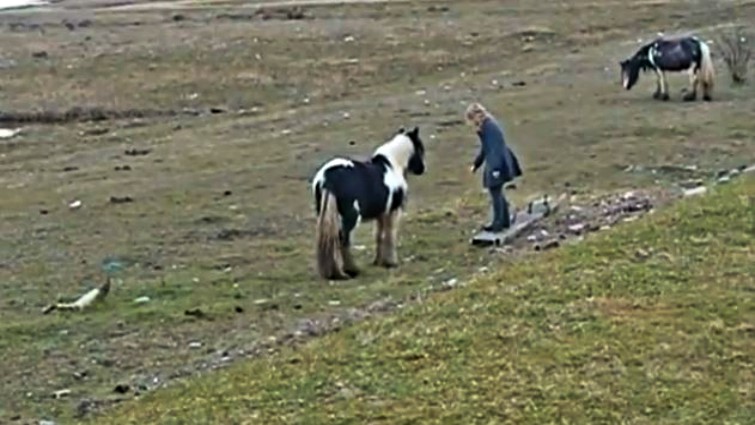
The Dangers of Overestimating Your Abilities
We’ve all heard the saying: “Know your limits.” When it comes to horses, this advice is absolutely critical. It’s wonderful to be adventurous and try new things, but it’s essential to think before you act—not just dive in headfirst.
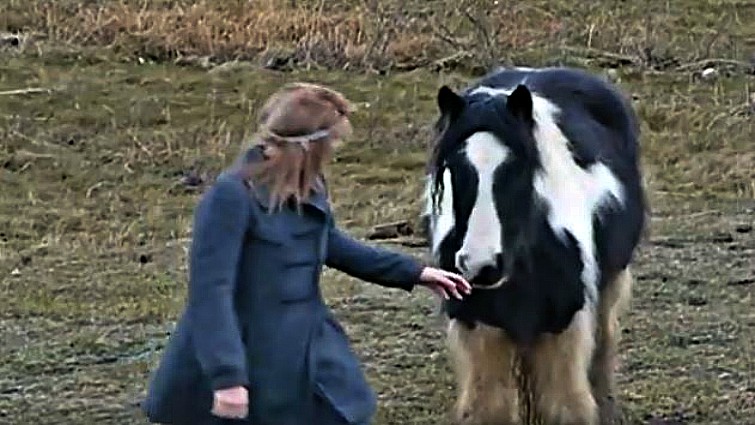
In the video below, you’ll witness what happens when someone approaches a wild horse without proper training or understanding of just how unpredictable these animals can be. What starts as an ambitious attempt quickly spirals into a dangerous situation that teaches a valuable lesson about respect for these powerful animals.
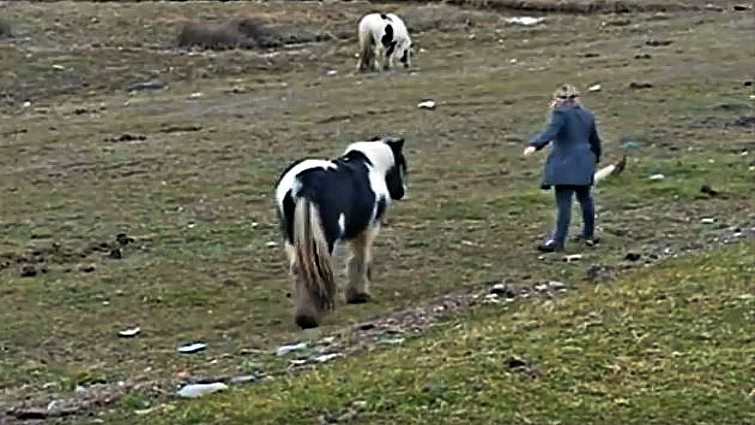
Why Wild Horses Are Completely Different
Riding a wild horse is fundamentally different from riding a domesticated horse, a racing thoroughbred, or any other trained equine. Wild horses are truly wild—they have no experience with saddles, bridles, or human riders. They rely entirely on their natural instincts, which means their reactions can be explosive and unpredictable.
Even if someone manages to get close enough to approach a wild horse, that doesn’t mean they can control its behavior. Wild horses are flight animals, meaning their first instinct when frightened is to run—and they’ll do whatever it takes to get a threatening presence off their back.
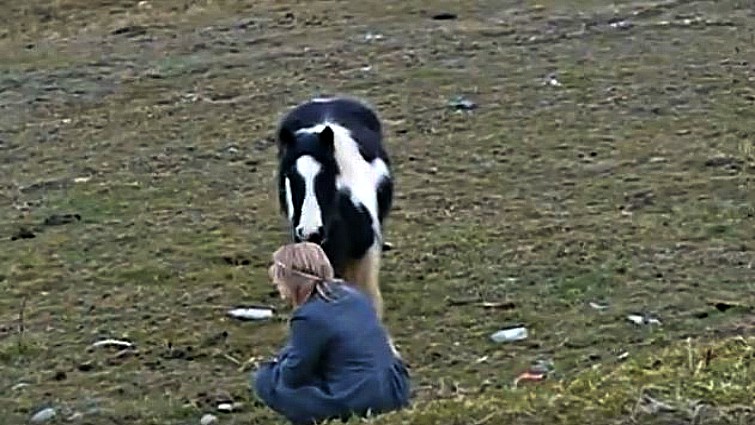
Watch What Happens Next
Take a look at this eye-opening video to see exactly why attempting to ride a wild horse is a recipe for disaster. This is a powerful reminder that not all equestrian adventures are appropriate for all riders—and sometimes, the best decision is to admire these magnificent animals from a safe distance.
The Takeaway: Respect, Training, and Safety First
If you’re interested in horseback riding, please work with experienced trainers and only ride horses that have been properly trained and socialized. Wild horses deserve our respect and admiration—from a distance. Your safety and the horse’s well-being should always be the top priority.
What are your thoughts on this video? Have you had experiences with horses that taught you important lessons about safety and respect? Share your stories in the comments below—we’d love to hear from our fellow horse enthusiasts!