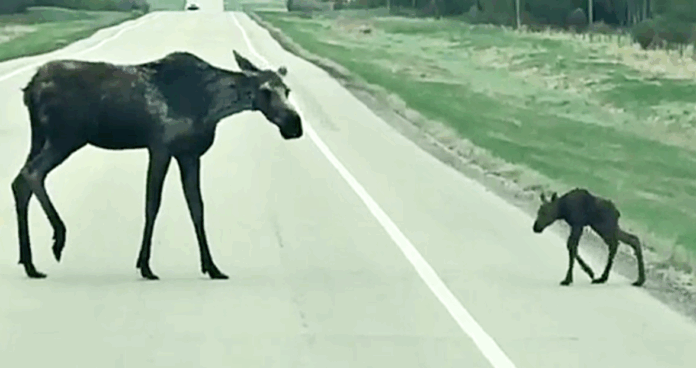

There’s nothing quite like witnessing a newborn foal’s first wobbly steps—especially when captured on video alongside its proud American Quarter horse mother. This magical moment, occurring just hours after birth, reminds us why so many of us are devoted to these incredible animals.
In this heartwarming scene, you’ll see the raw determination and instinctual drive that defines equine nature. As the newborn struggles to find its balance on those impossibly shaky legs, it instinctively reaches for its mother, nuzzling close in a display of pure connection. This isn’t just adorable—it’s absolutely essential for the foal’s immediate comfort and long-term development.
The Critical First Hours: Building a Lifelong Bond
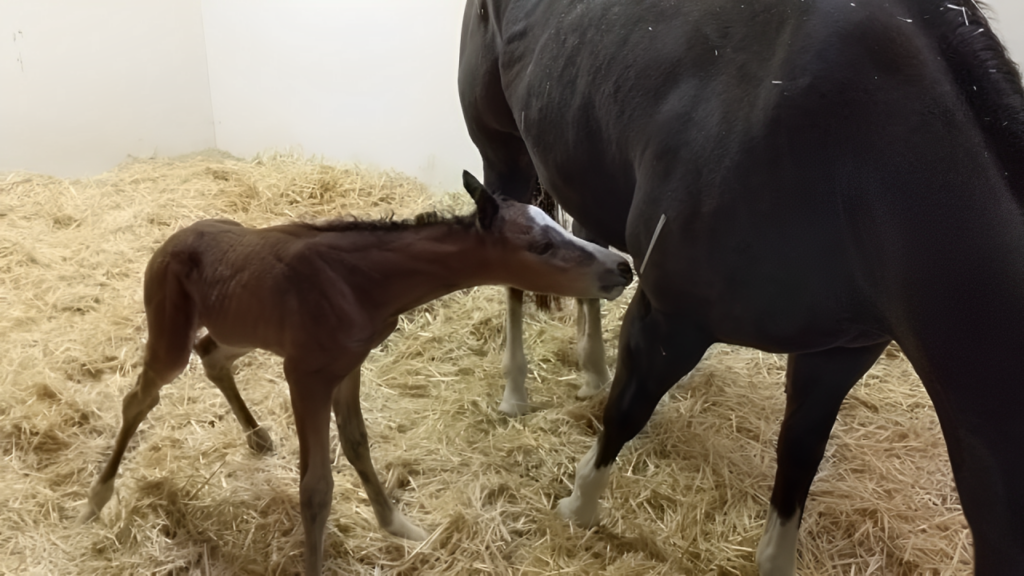
Those first interactions between mare and foal are absolutely crucial. When a mare accepts her newborn, she’ll typically begin by sniffing and licking—her way of saying “you’re mine, and I’ve got you.” This maternal acceptance is the green light for one of the most important events in a foal’s life: that first nursing session.
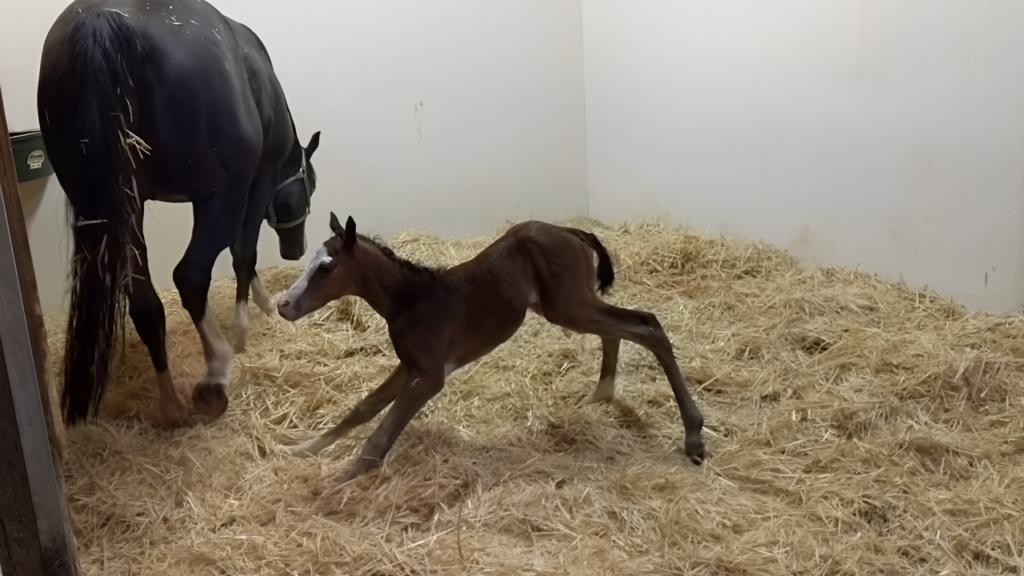
Nursing marks the true beginning of the foal’s developmental journey. Through their mother’s milk, foals receive vital colostrum packed with antibodies that protect them during their most vulnerable weeks. But beyond nutrition, nursing represents the foundation of the foal-mare relationship—a bond that will guide the young horse as it learns to navigate its world.
Under a watchful mother’s care, foals don’t just grow physically. They learn social skills, grazing patterns, and how to be a horse. The mental and emotional security provided by a responsive, nurturing mare cannot be overstated. These early days quite literally shape the adult horse your foal will become.
When Things Don’t Go as Planned: Mare Rejection
While most mares are natural nurturers, not every birth story has a fairy-tale beginning. In approximately 5% of equine births, mares reject their foals—a heartbreaking situation that demands immediate intervention.
Why does rejection happen? There are several factors at play. A mare who’s exhausted from a difficult delivery might be too depleted to care for her foal. Some mares experience discomfort with being touched or even fear their newborn. While these situations are challenging, they’re also understandable from a mare’s perspective.
When rejection occurs, human caretakers become lifelines. Dedicated horse people spring into action, milking the mare and bottle-feeding the foal to ensure it receives the colostrum and nutrients it desperately needs. This hands-on care can mean the difference between a thriving foal and one that struggles with compromised immunity.
The Genetics of Rejection: What Research Tells Us
Here’s something important for breeders to understand: studies indicate that mares who reject two or more foals are likely to continue this behavior. This suggests a potential genetic component to mare rejection—a finding that has led many experts to recommend against breeding mares with a history of rejection.
It’s a tough decision that prioritizes the welfare of future foals over breeding goals. For responsible equestrians, it’s the right one. After all, our primary obligation is to the horses in our care, whether they’re taking their first wobbly steps or preparing for their careers in the sport.
The Bottom Line
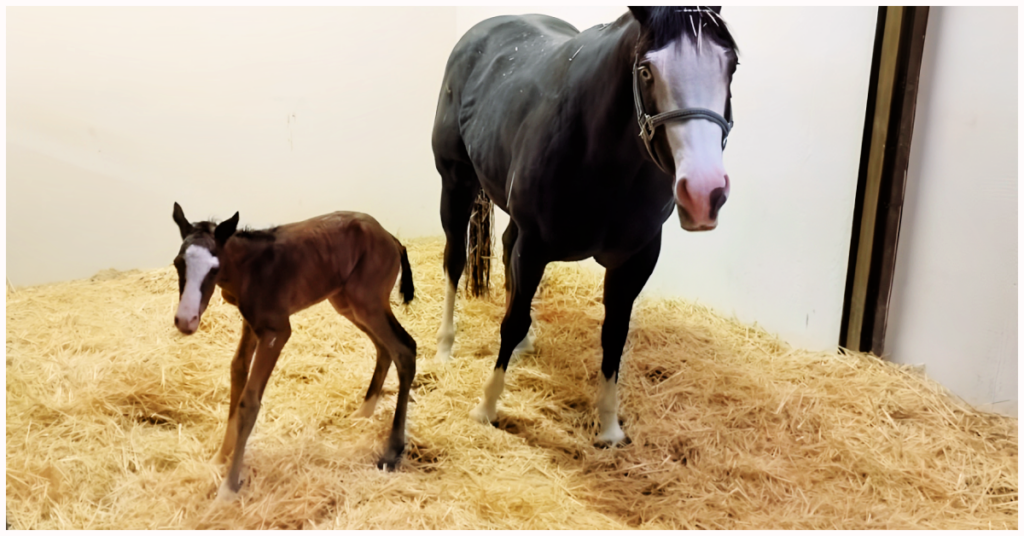
Whether we’re celebrating a perfectly bonded mare-foal pair or stepping in to care for a rejected foal, these early moments define equine lives. They remind us why we’re so passionate about horses—their resilience, their beauty, and their incredible ability to form deep connections with their mothers and with us.
If you’re watching that first-steps video and feeling emotional, you’re not alone. There’s genuine magic in welcoming a new life into the equestrian world.