
If you’ve ever spent time around horses, you know that spooking is just part of the experience. These magnificent animals have an incredible flight response that can be triggered by the most unexpected things—even when they’re supposedly “bombproof.” The truth is, every horse has their limit, and understanding why they spook is key to becoming a better rider.
Why Do Horses Spook?
Horses spook for many different reasons, and it’s not always obvious what set them off. Some common culprits include:
- Nervousness and anxiety – Horses are naturally prey animals with an acute awareness of their surroundings
- Physical discomfort – An ill-fitting saddle or pain can make any horse jumpy
- Lack of trust – When horses don’t feel confident in their rider, they’re more likely to react defensively
- Unfamiliar objects or sounds – Even the smallest, strangest thing can trigger a big reaction
Not all horses are equally sensitive, but every equine can experience moments of genuine fear. The key difference between a dangerous situation and a manageable one often comes down to the rider’s skill and experience.
When Preparation Meets the Unexpected
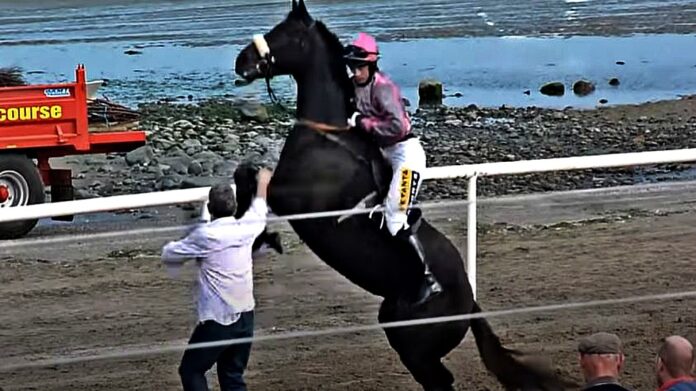
In the video below, a jockey demonstrates exactly why years of training and experience matter in the saddle. During what should have been a routine pre-race warm-up, his horse suddenly spooked at an unexpected sight—a crab crawling nearby. The startled racehorse didn’t just flinch; it launched into the air with a dramatic buck that would’ve left most riders in the dirt.
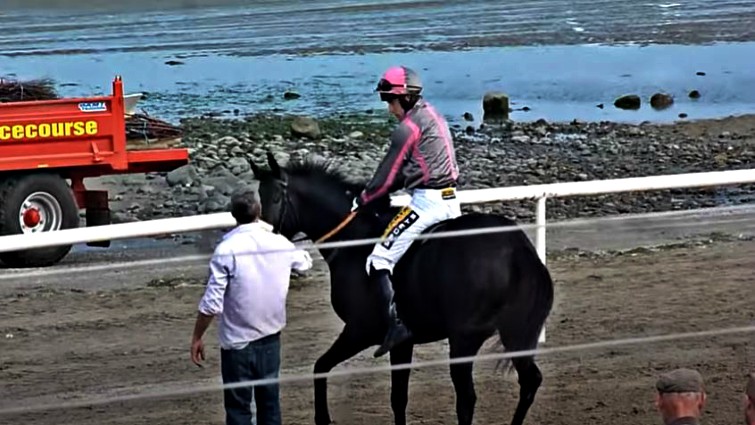
What happened next was pure horsemanship. Rather than losing control, this professional jockey stayed centered and composed, landing safely back in the saddle with impressive balance and skill. It’s a perfect example of how a calm, experienced rider can turn a potentially dangerous moment into a teaching opportunity for their horse.
The Mark of a Skilled Equestrian
This moment showcases the difference between an average rider and a true professional. When a horse spooks, the rider’s reaction is everything. A panicked response only escalates the situation, while a calm, confident seat tells the horse, “I’ve got this—you’re safe.” This jockey’s ability to recover so smoothly demonstrates years of training, core strength, and genuine partnership with his mount.
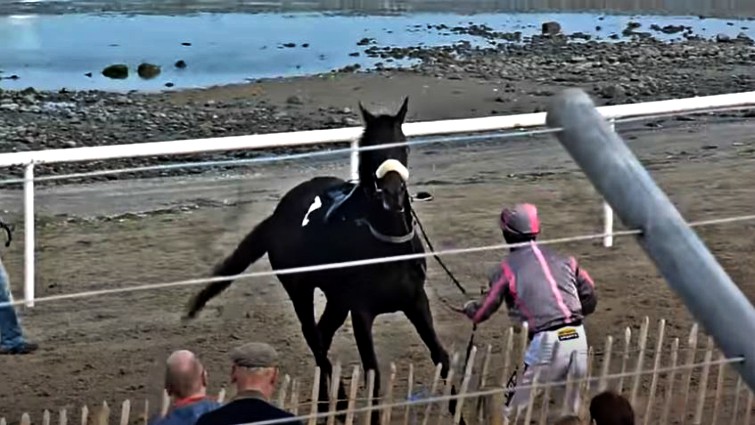
Building this kind of trust and communication takes time and dedication, but moments like these prove it’s absolutely worth it.
Watch the Incredible Recovery
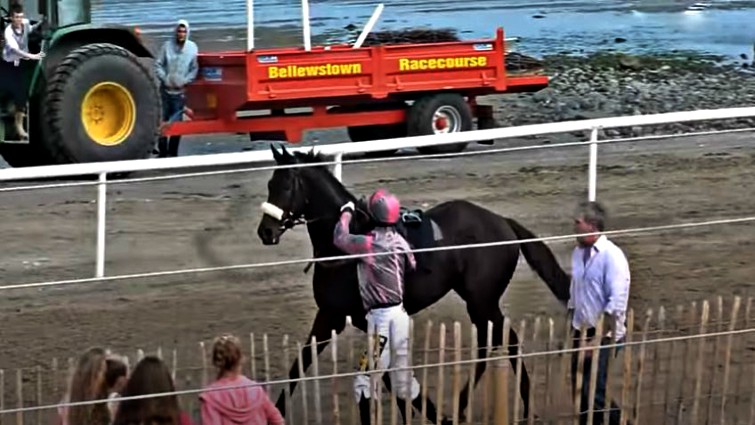
Whether you’re a casual trail rider or an aspiring racehorse jockey, videos like this are great reminders of the importance of horsemanship fundamentals. The next time your horse spooks, remember: stay calm, keep your seat, and communicate confidence. That’s what separates amateurs from professionals in the saddle.