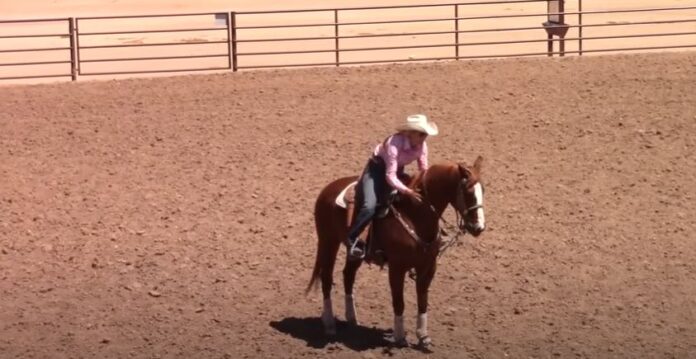

What started as an ordinary training day for Lieutenant Justin, an experienced mounted shooting horse, turned into a life-changing moment. After years of successful competition and dedicated service, a single stumble during practice resulted in a catastrophic broken leg—an injury that typically spells the end for equine athletes.
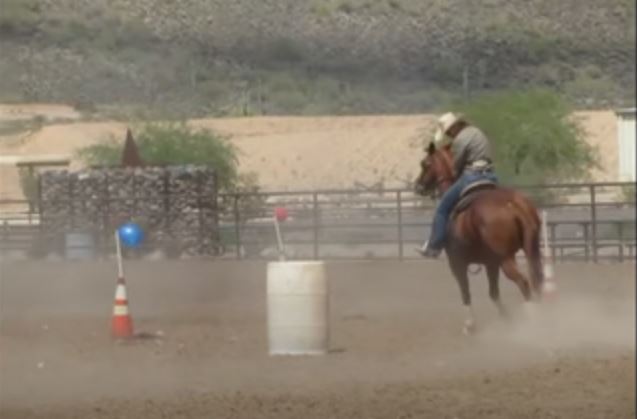
A Second Chance Against the Odds
While many horses with broken legs face euthanasia, Justin’s owners didn’t give up. Depending on the break location and severity, surgery can offer hope. Justin underwent surgical repair and began an intensive rehabilitation journey that would test his resilience and his handlers’ dedication.
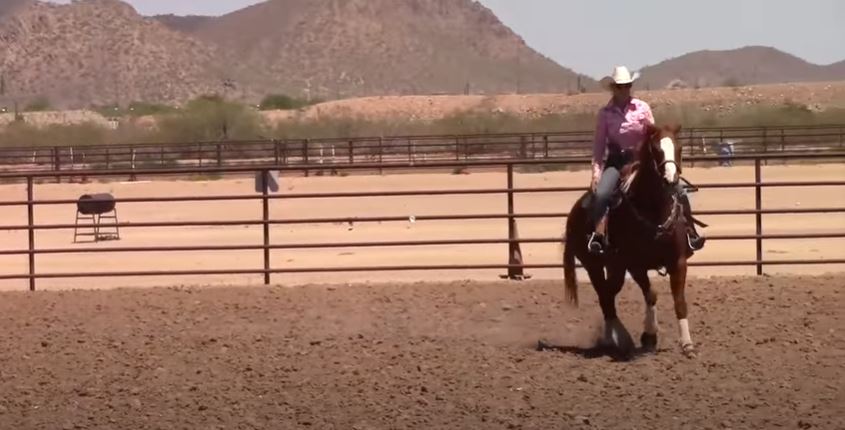
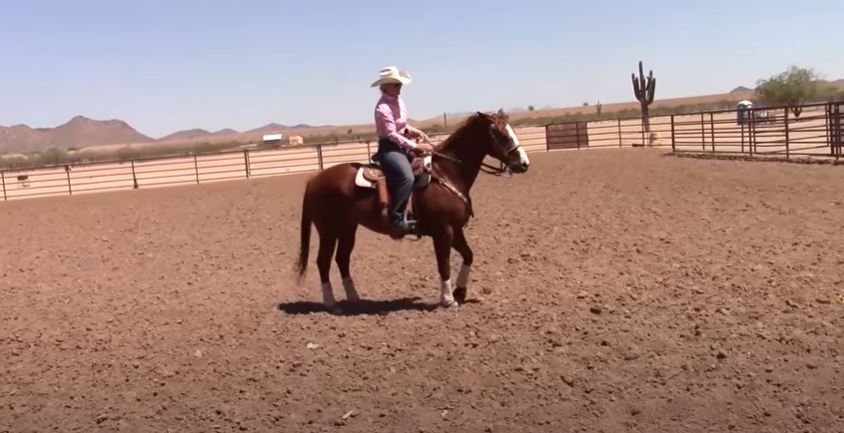
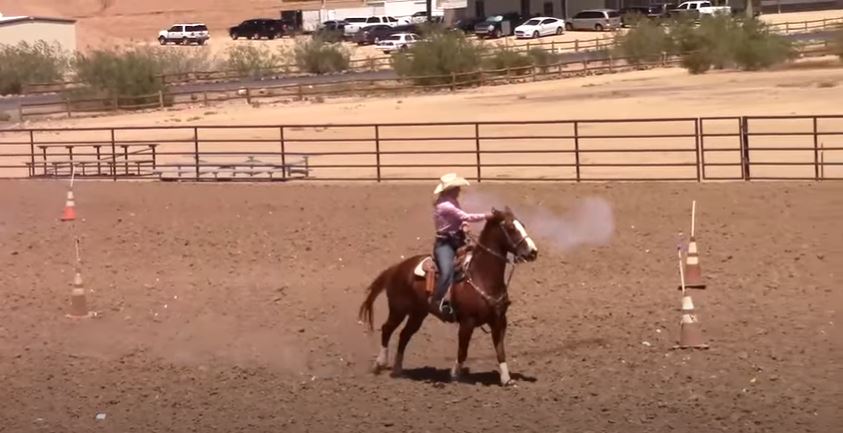
Against incredible odds, Justin made a full recovery. One year after his devastating injury, this brave pony returned to mounted shooting—sound, strong, and visibly thrilled to be back doing what he loves. His remarkable comeback is truly inspiring for everyone in the equestrian community.
Understanding Why Broken Legs Are So Challenging
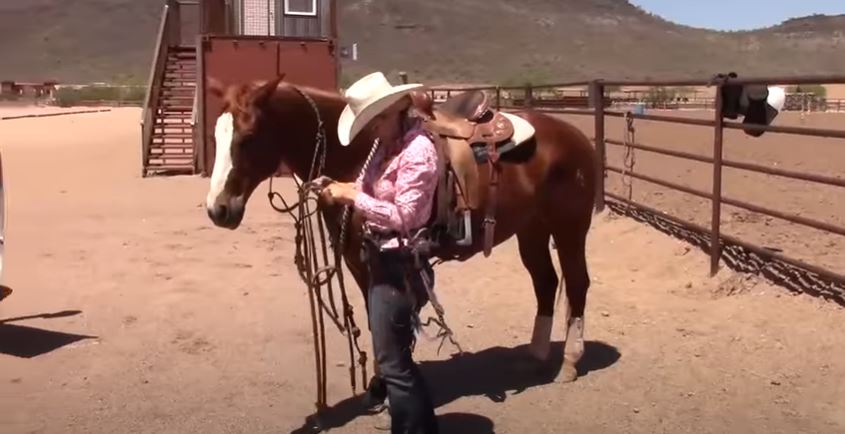
To truly appreciate Justin’s achievement, it’s important to understand why broken legs present such serious challenges for horses. According to The Guardian, several factors make equine leg fractures particularly devastating:
1. Lightweight Bone Structure
A horse’s leg bones are remarkably light—an adaptation that enables incredible speed and agility. However, this same lightweight design means bones can completely shatter under the wrong type of impact. Unfortunately, some breaks simply cannot be surgically repaired.
2. The Laminitis Complication
Perhaps the greatest threat to horses recovering from leg injuries is laminitis—an extremely painful condition where the sensitive tissue inside the hoof becomes inflamed and can begin to fail under pressure. When a horse shifts weight away from a broken leg to compensate, the increased load on the supporting legs triggers laminitis. This cascade effect can quickly become life-threatening, which is why preventing laminitis is crucial during recovery.
3. The Inability to Rest
Horses aren’t built to lie down for extended periods—their physiology requires them to remain upright. When recovering from a broken leg, if a horse lies down to relieve pressure on the injured limb, painful pressure sores develop. Even supportive slings, while helpful, frequently result in sores and skin damage. This creates an impossible choice: keep weight on an injured leg or risk severe sores elsewhere.
Hope Springs Eternal
Justin’s story proves that while broken legs are serious and recovery is rarely guaranteed, horses can and do overcome these injuries with proper care, skilled veterinary medicine, and unwavering dedication from their handlers.
His remarkable journey from that fateful day in May 2015—through months of intensive rehabilitation and physical therapy—to his triumphant return to mounted shooting is a testament to equine resilience and the power of never giving up on our beloved partners.
For everyone in the horse sport community, Justin’s comeback serves as an inspiring reminder that even the most devastating injuries don’t always have to be the end of the story. Watch his incredible journey in the video above and be prepared to be moved by his determination and heart.