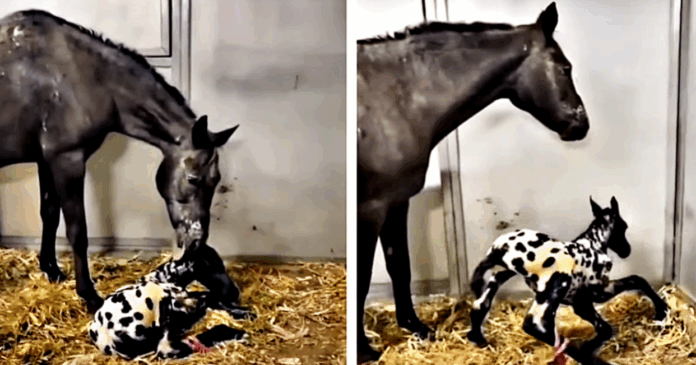

One of the most magical moments in horse breeding is watching a newborn foal take its first wobbly steps. But before that precious moment arrives, there’s a lot of preparation and care involved in the foaling process. Whether you’re a seasoned breeder or expecting your first foal, understanding what to expect during labor and the immediate aftermath can make all the difference in ensuring a healthy birth.
Understanding the Foaling Process
The process of a horse giving birth—known as foaling—is a natural yet complex event that demands careful attention and expert care. Mares typically carry their foals for approximately 11 months, though gestation can vary slightly. As the due date approaches, you’ll notice telltale signs that birth is imminent.
In the weeks leading up to labor, the mare’s udder will develop noticeably and may even begin producing milk. This is one of the most reliable indicators that your foal is nearly ready to enter the world. It’s essential to monitor your mare closely during this time for any signs of early labor.
What Happens During Labor
When labor begins, the mare will typically lie down on her side and start contracting. The first sign of active labor is the rupture of the water sac, quickly followed by the appearance of the foal’s front hooves and nose. The mare will continue pushing until the foal is completely expelled from the birth canal. Once the foal is fully born, the umbilical cord naturally breaks.
Creating a safe, clean environment is absolutely critical during this time. The foaling stall should be well-bedded, quiet, and free from hazards that could injure the vulnerable newborn.
The Critical Hours After Birth
Once the foal arrives, it’s vital to allow mare and foal to bond peacefully. The new mother needs abundant food and water to aid her recovery, while the foal should be monitored to ensure it nurses successfully and frequently. Proper nursing is essential for the foal to receive vital colostrum—the antibody-rich first milk that provides crucial immune protection.
Continue monitoring both mother and baby closely for the first few days. Watch for signs of complications, including the mare’s ability to expel the placenta properly through normal uterine contractions. Any concerning symptoms should be reported to your veterinarian immediately.
Working with an experienced veterinarian or breeder throughout the foaling process ensures you’re prepared for any complications and equipped with the knowledge to handle emergencies.
Watch a Foal’s First Steps
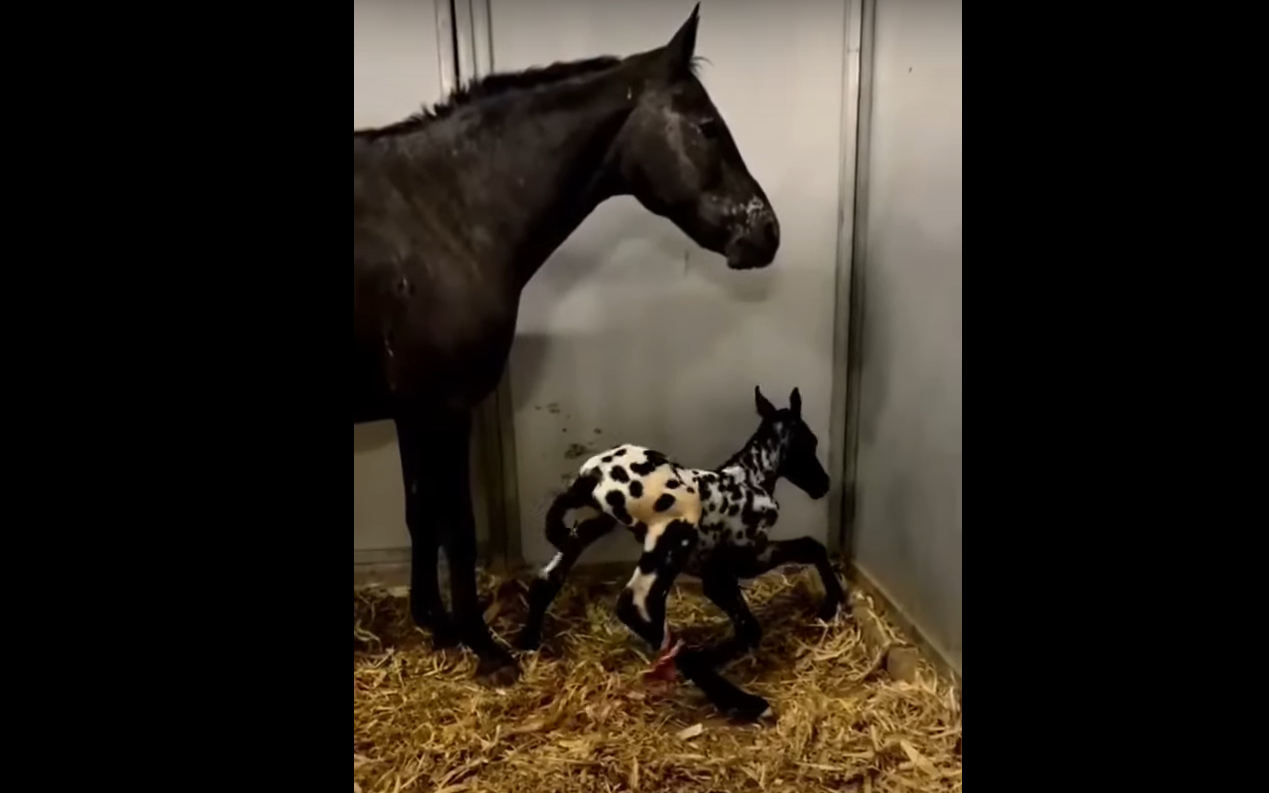
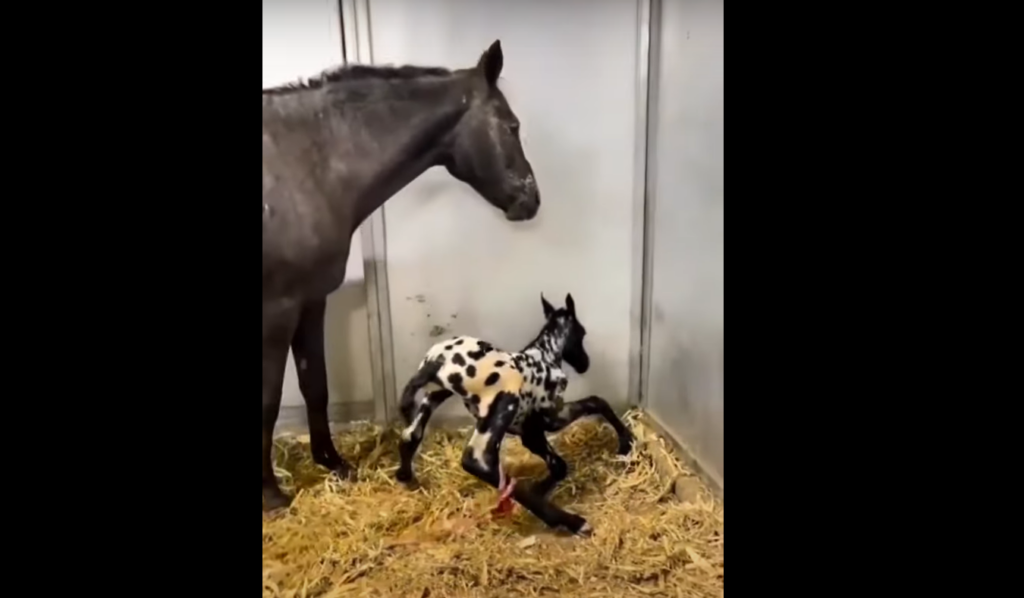
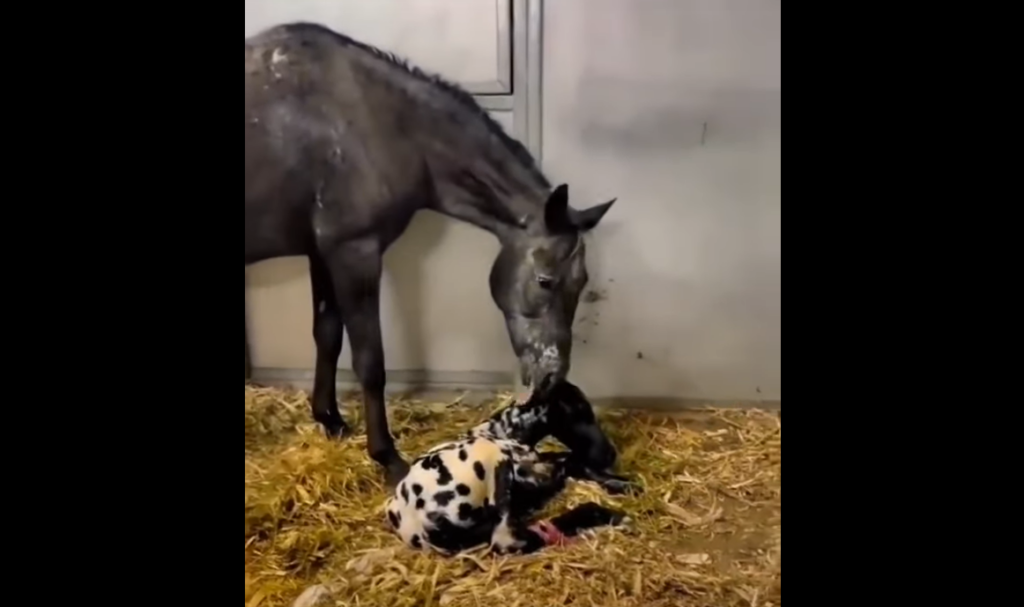
There’s simply nothing quite like witnessing a newborn foal stand up for the first time! In the heartwarming video below, you’ll see a beautiful new arrival take those wobbly but determined first steps just hours after birth. It’s a moment that never gets old, no matter how many foals you’ve raised. Watch as this stunning baby finds its legs and bonds with its mother:
The Beauty of New Life
The foaling process is truly a natural wonder—challenging yet beautiful, requiring knowledge and dedication to ensure both mare and foal thrive. If you’ve experienced this magical moment yourself, we’d love to hear your story! Share your thoughts in the comments below, and don’t forget to spread the joy by sharing this video with fellow horse lovers on social media. Every newborn foal deserves to be celebrated!