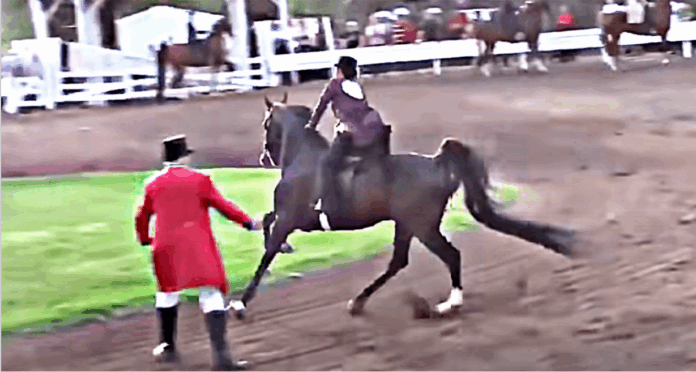

We’ve all seen that heart-stopping moment: a horse suddenly decides the show ring isn’t for them and bolts! While it might look funny in videos, a runaway horse is actually a serious issue rooted in real equine behavior. Let’s explore what triggers these dramatic escapes and how you can prevent them.
Understanding the Flight Instinct
Horses are naturally prey animals with an incredibly strong survival instinct. When they perceive danger—whether real or imaginary—their first reaction is to run. It’s hardwired into their DNA and can happen in a split second. This instinct is what kept wild horses alive for thousands of years, but it can catch riders off guard in modern settings like competition arenas.
The Main Reasons Horses Run Away
1. Fear and Spooking
A sudden loud noise, unexpected movement, or unfamiliar object can trigger your horse’s flight response instantly. Show environments are full of potential spook triggers—crowds, flags, jumps, and loud speakers. Horses that haven’t been properly desensitized to these stimuli are more likely to bolt when startled.
2. Physical Discomfort or Pain
Sometimes a runaway horse is telling you something hurts. Saddle fit issues, dental problems, back pain, or injuries can make a horse desperate to escape the situation. Always rule out pain with your veterinarian before assuming it’s a behavior problem.
3. Inadequate Training
Horses without solid foundational training may not respond to commands when frightened. They simply don’t have the mental toolkit to stay calm and focused when stressed. Proper training builds confidence and teaches horses to trust their riders, even in scary situations.
Watch This Hilarious (But Educational) Moment
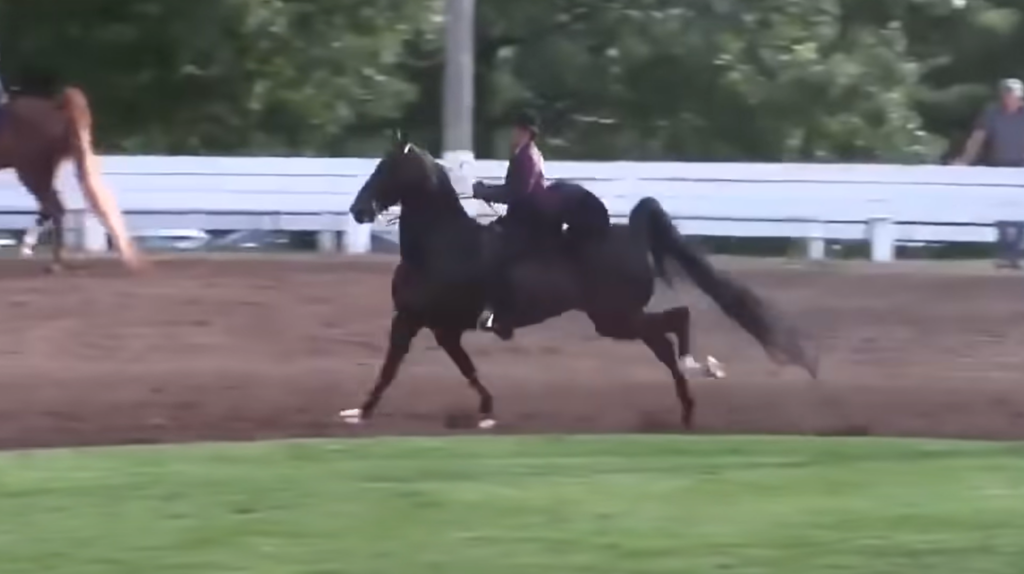
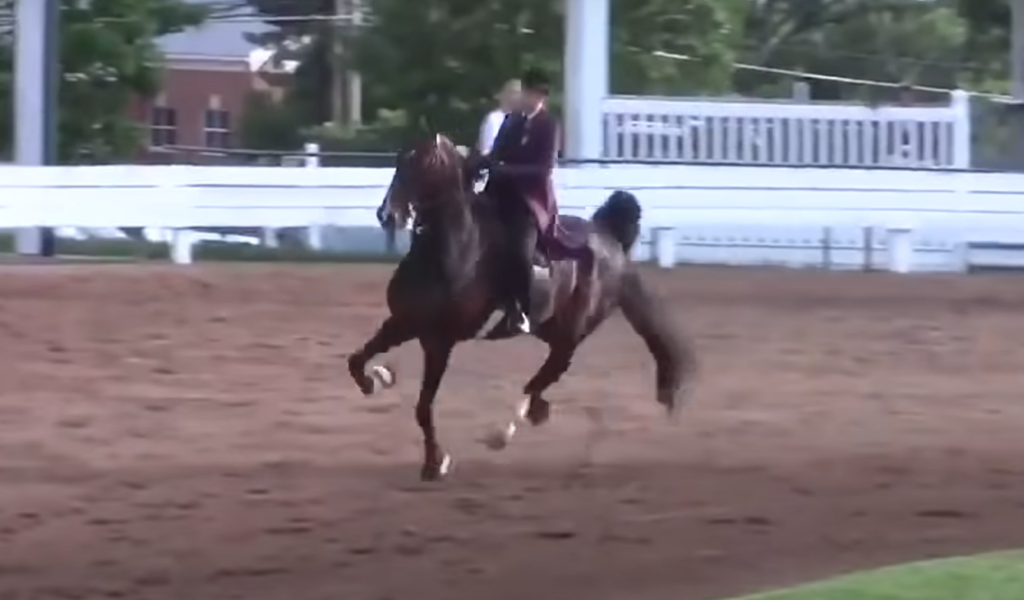
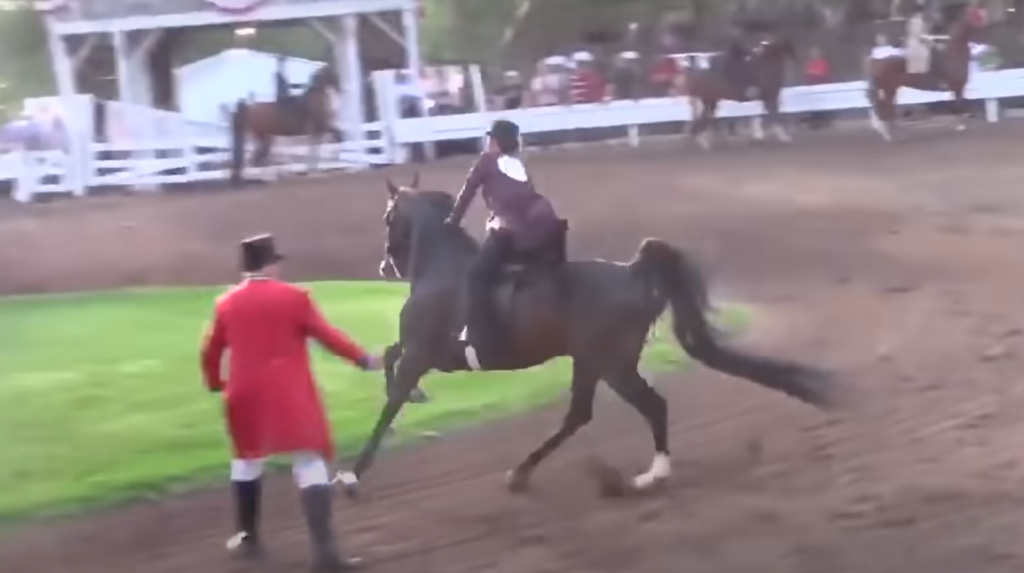
Check out this entertaining video where one bold horse decided the show wasn’t for them! Watch as the rider skillfully handles the unexpected chaos:
How to Prevent Your Horse From Running Away
- Invest in Quality Training: Work with a skilled trainer to build your horse’s confidence and responsiveness to commands.
- Desensitization Work: Gradually expose your horse to show-like stimuli—sounds, movements, and environments—in controlled settings.
- Rule Out Pain: Have your vet check saddle fit, teeth, and overall soundness before every show season.
- Create a Safe Environment: Ensure your horse feels secure and trusts you as their leader.
- Warm-Up Properly: Give your horse adequate time to settle and focus before competing.
The Takeaway
While a runaway horse makes for entertaining viewing, understanding the why behind the behavior is crucial for every horse owner and rider. Whether it’s fear, pain, or training issues, most bolting incidents are preventable with proper care, training, and management. Your horse isn’t being naughty—they’re communicating something that needs your attention!
Did you enjoy this video as much as we did? Share it with your horse-loving friends and family—we’d love to hear your thoughts in the comments below!