
Understanding the Foaling Process
The miracle of horse birth is both beautiful and complex. Known as foaling, the natural process typically unfolds over 20 to 30 minutes—though the preparation phase can take much longer. If you’re a horse owner expecting a foal, understanding what to expect during each stage of labor is crucial for ensuring the safety and health of both mare and baby.
Pre-Labor Signs: What to Watch For
Before labor begins, mares display telltale signs that birth is approaching. Look for restlessness, excessive sweating, increased urination, and behavioral changes. This pre-labor phase can last anywhere from several hours to a few days, so patience and close monitoring are essential. Stay vigilant during these crucial hours—they’re your first clue that foaling time is near.
Stage One: The Beginning of Labor
Once true labor starts, you’ll notice the mare’s water breaking and her cervix beginning to dilate. During this first stage, which typically lasts 30 minutes to 4 hours, the mare may pace, lie down repeatedly, get up again, or even roll on her back as she works through contractions. This is completely normal behavior—her body is preparing to push out your new foal.
Stage Two: The Arrival
The second stage of labor is when things get real. The foal enters the birth canal, and the mare lies down to push. You’ll see the foal’s front legs emerge first, followed by its head and shoulders. Once the foal’s head is out, the mare will typically pause for a few minutes to rest before pushing out the remainder of her baby’s body.
After Birth: Critical First Hours
After delivery, the mare instinctively breaks the amniotic sac and begins licking the foal, which stimulates breathing and circulation. A healthy foal will attempt to stand within an hour of birth and should be nursing within about two hours. It’s vital to monitor both mother and baby closely during these first hours, ensuring the mare passes the placenta within an hour and that both receive prompt veterinary attention.
When Birth Goes Wrong: A Dramatic Rescue Story
Not every foaling goes smoothly. Sometimes, owners must make split-second decisions that can mean the difference between life and death. The remarkable story below is one such case—a testament to an owner’s quick thinking and dedication to saving both their mare and foal.
A Mare’s Second Chance
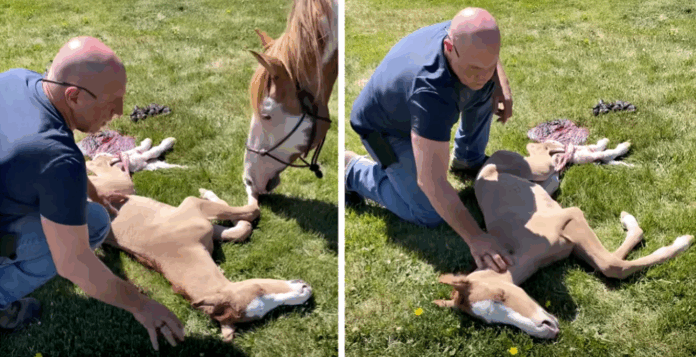
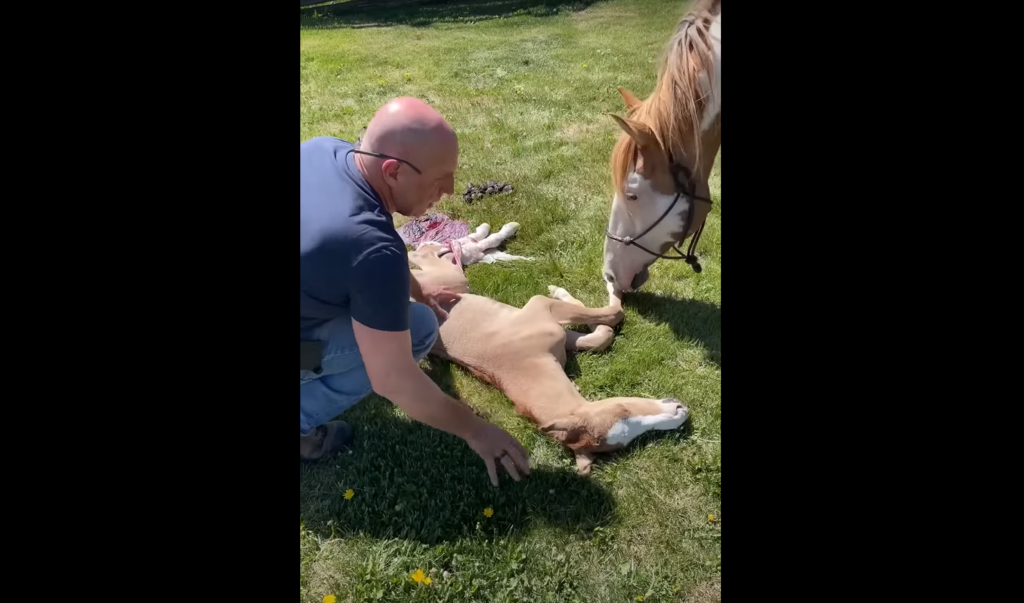
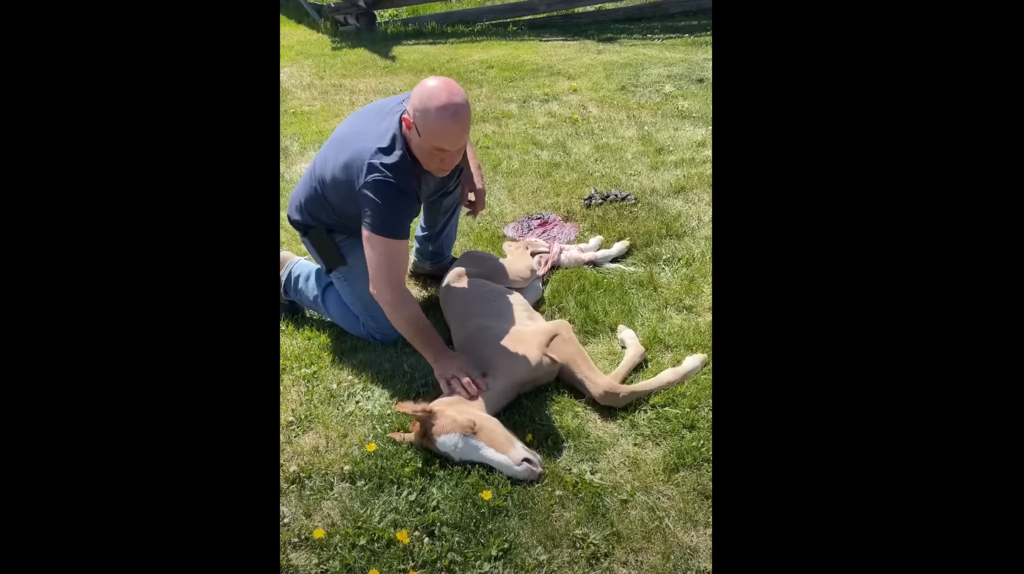
The mare in this incredible video nearly lost her life just a week before giving birth. When labor finally began, the owner faced an agonizing choice: follow nature’s timeline or intervene to save both mother and foal. Knowing that time was critical, the owner made the courageous decision to assist the delivery by pulling the foal out faster than nature would normally allow.
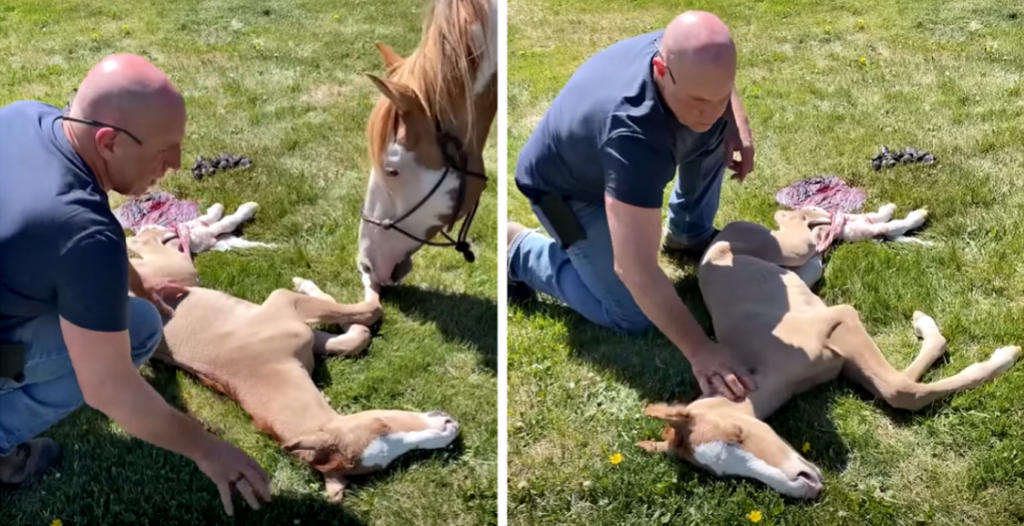
The rapid delivery, while necessary to preserve the mare’s life, left the newborn foal unresponsive and limp. Most owners would have panicked, but this dedicated caretaker knew exactly what to do. Through stimulation and gentle intervention, the foal began responding. Today, both the brave mare and her beautiful foal are thriving—a heartwarming reminder of how crucial quick action and veterinary knowledge can be in emergency situations.
Watch the Incredible Moment of Rescue
See this dramatic story unfold in the video below, where an owner’s determination and swift thinking bring new life into the world:
Key Takeaways for Horse Owners
- Know the signs: Familiarize yourself with pre-labor and labor signs so you can prepare and monitor effectively.
- Have a plan: Discuss emergency procedures with your veterinarian before foaling season arrives.
- Stay alert: The first hours after birth are critical—never leave a new foal and mare unattended.
- Trust your instincts: If something seems wrong, contact your veterinarian immediately.
- Be ready to act: Sometimes quick intervention saves lives, but it should only be done with veterinary guidance.
Share This Inspiring Story
This remarkable tale of survival and maternal love deserves to be celebrated. If you found this story as moving as we did, please share it with fellow horse lovers on your favorite social media platforms. Together, we can raise awareness about the importance of foaling preparedness and the incredible bond between horses and their devoted caretakers. Leave a comment below—we’d love to hear your thoughts and experiences with foaling!