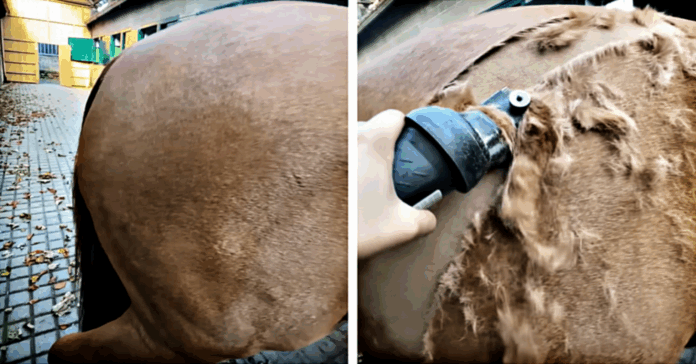

There’s something incredibly satisfying about watching a thick, overgrown horse coat transform into a sleek, manageable trim. But horse clipping is much more than just cosmetic grooming—it’s a crucial part of equine care that keeps your horse comfortable, healthy, and performing at their best during the winter months.
What Is Horse Clipping?
Horse clipping involves using electric clippers to trim your horse’s long, thick winter coat. When horses aren’t being ridden regularly during colder months, their coats grow dense to provide natural insulation. While this seems protective, a thick coat can actually create problems. Horses are prone to excessive sweating during exercise, and a heavy coat takes longer to dry, increasing the risk of chills, skin conditions, and overall discomfort.
The Main Types of Horse Clips
Understanding the different clipping styles helps you choose the right one for your horse’s lifestyle and workload:
Trace Clip
The trace clip is the gentlest option, trimming hair from the belly, underside, lower neck, and chest. This removes the areas that sweat most during work while leaving the back and hindquarters covered for warmth. It’s perfect for horses in light to moderate work who still spend significant time outdoors.
Blanket Clip
A blanket clip removes hair from the neck, chest, and belly while leaving a protective “blanket” of hair across the back and hindquarters. This popular choice suits horses in moderate winter work and provides excellent temperature regulation with good protection.
Full Clip
For horses in heavy work, a full clip removes all the coat, leaving a short, sleek finish. This allows maximum heat loss during intense exercise and is ideal for competitive or heavily worked horses. However, these horses require more blanket coverage when not in work.
Essential Tools & Safety
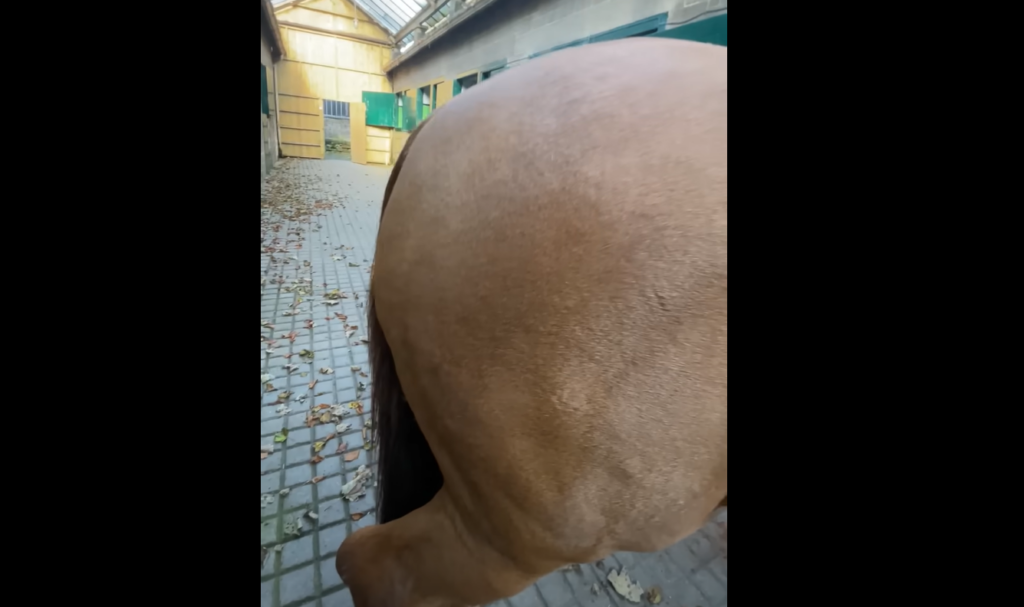
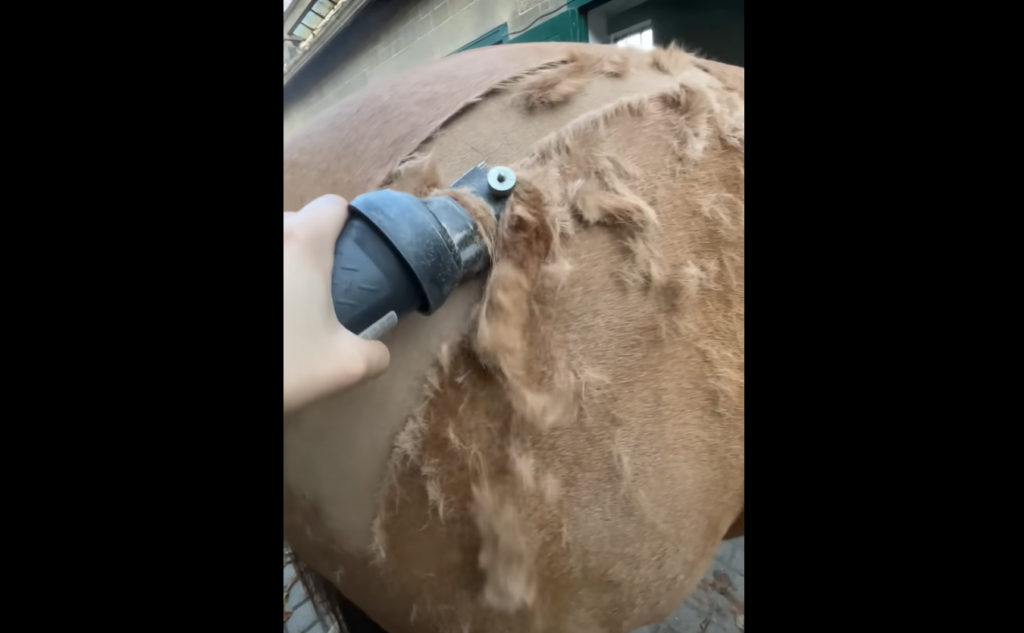
Professional horse clipping requires specialized equipment including quality electric clippers, sharp blades, and grooming tools like combs and brushes. Proper restraint during clipping prevents injury and stress to your horse. Using the correct technique ensures you won’t irritate sensitive skin or cause discomfort.
If you’re not experienced with clipping, hiring a professional is worthwhile. They have the expertise and equipment to do the job safely, efficiently, and to high standards.
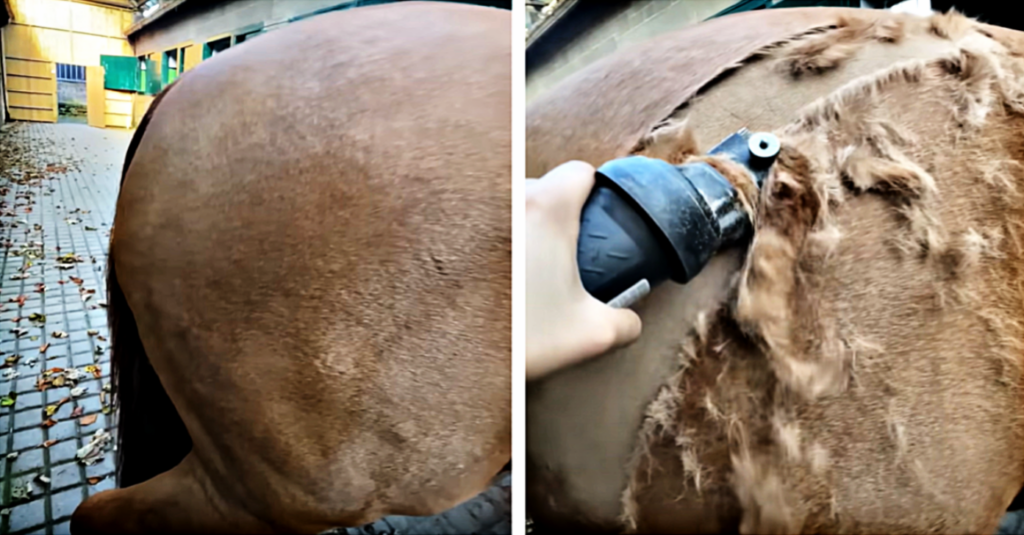
Watch the Magic: Satisfying Thick Coat Clipping
Ready to see a thick winter coat transformation? Check out this incredibly satisfying clipping video that shows why so many horse lovers find this grooming process mesmerizing:
Why Clipping Matters
Winter clipping is essential for equine health and performance. It prevents overheating during exercise, reduces sweat-related skin issues, improves coat appearance, and helps horses feel more comfortable in winter work conditions. A properly clipped horse is a healthier, happier horse.
Whether you’re preparing your horse for winter riding or maintaining their coat year-round, understanding these clipping techniques ensures your equine partner stays in peak condition. Have you clipped your horse before? We’d love to hear your experiences in the comments below, and please share this video with your fellow horse lovers on social media!