
Horse archaeology has experienced a remarkable renaissance over the past decade, unveiling fascinating insights into our deep connection with these majestic animals. Remember when an international team of archaeologists made headlines by discovering the earliest evidence of horse domestication dating back an astounding 5,500 years? Or consider that the entire Equidae family first emerged 55 million years ago! Now, we have another captivating discovery that’s sure to excite equestrian enthusiasts and history buffs alike.
A Treasure Trove from the Early Medieval Period
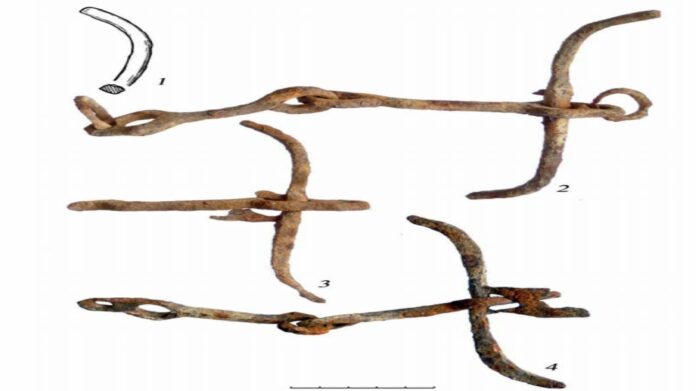
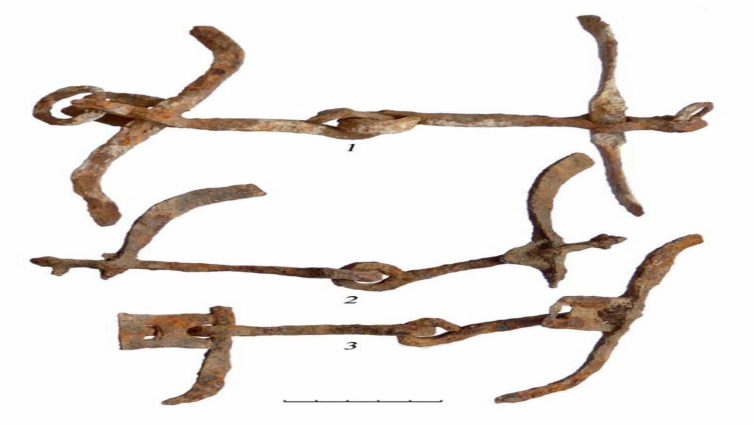
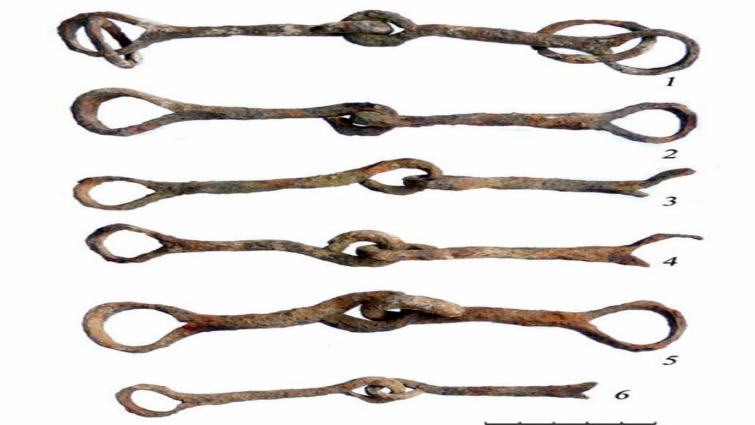
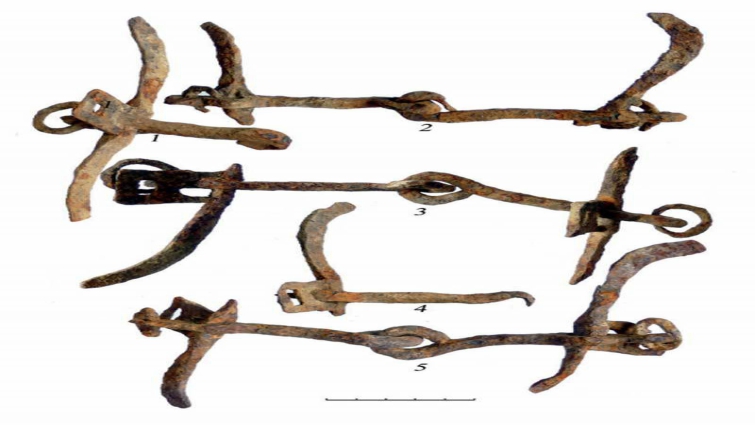
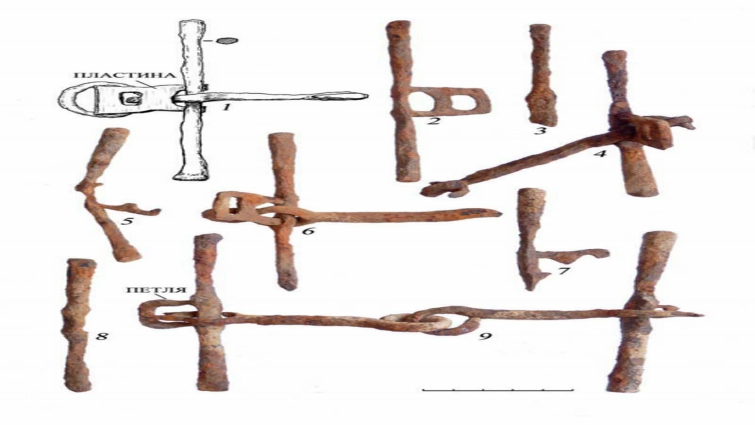
In an impressive archaeological find, researchers have recovered a remarkable collection of horse bits dating back nearly 1,300 years in Russia’s Lower Don region. These extraordinary artifacts, originally unearthed in 2013, finally received their detailed scientific documentation when published in Povolzhskaya Arkheologiya, a respected journal dedicated to archaeological discoveries around the Volga River region.
The Tsimlyansk Square Discovery
According to Valery Flyorov, a senior research scientist at the Institute of Archaeology (Russian Academy of Sciences), the precious items were recovered from the remains of Tsimlyansk Square—an ancient construction measuring approximately 130 meters by 130 meters that was barely visible on the surface. This overlooked archaeological site proved to be a goldmine of historical artifacts.
The excavation yielded approximately 170 objects in total, including an impressive 60 to 70 horse bits, all dating from the early 700s. These well-preserved pieces offer invaluable insight into early medieval equestrian equipment and horsemanship practices.
Additional Findings at the Barrow Pyramid
The archaeological bounty didn’t end there. Researchers also explored a nearby burial mound known as the Barrow Pyramid, which rises majestically to a height of more than 10 meters. This site yielded additional artifacts, including arrowheads that date from the late 700s to early 800s, providing a fascinating temporal window into the region’s turbulent medieval history.
What These Discoveries Tell Us
These remarkable horse bits are far more than mere artifacts—they represent a tangible connection to ancient peoples who relied on these magnificent animals for transportation, warfare, and daily life. The concentration of equestrian equipment suggests this region was a significant hub for horse breeding and training during the early medieval period.
The discovery underscores how much we still have to learn about equestrian history and human-horse relationships across different civilizations and time periods. Each artifact tells a story of skilled horsemen, intricate craftsmanship, and the central role horses played in shaping ancient societies.
Looking Forward
As we eagerly await more archaeological findings from this fertile region, these 1,300-year-old horse bits serve as a powerful reminder of the enduring partnership between humans and horses. The continued excavation and study of such sites promise to unlock even more secrets about our equestrian heritage.
For horse lovers and history enthusiasts, discoveries like these are absolutely thrilling—proof that there’s always more to discover about the incredible animals we cherish today!